Cultural Sensitivity in Architecture: Respecting Traditions Through Design

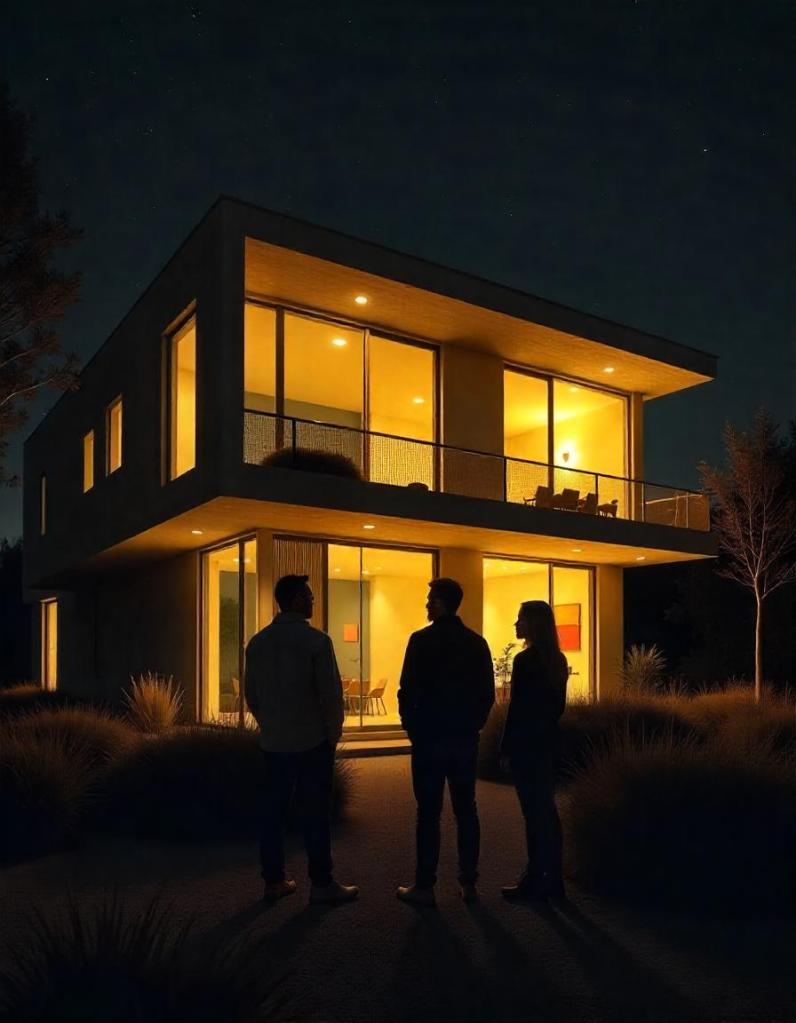
In a rapidly globalizing world, architecture has the power to bridge the gap between modern innovation and cultural heritage. Incorporating local culture and traditions into contemporary designs not only honors history but also ensures that spaces resonate with their community’s identity. This approach is what we call cultural sensitivity in architecture.

Why Cultural Sensitivity Matters

Every region has its unique cultural identity, shaped by centuries of traditions, beliefs, and practices. Culturally sensitive architecture recognizes this essence, creating spaces that feel familiar yet functional for modern needs. Ignoring these elements can lead to designs that clash with their environment, alienating the communities they are meant to serve.

Strategies to Incorporate Local Culture into Design

1. Study Local History and Traditions

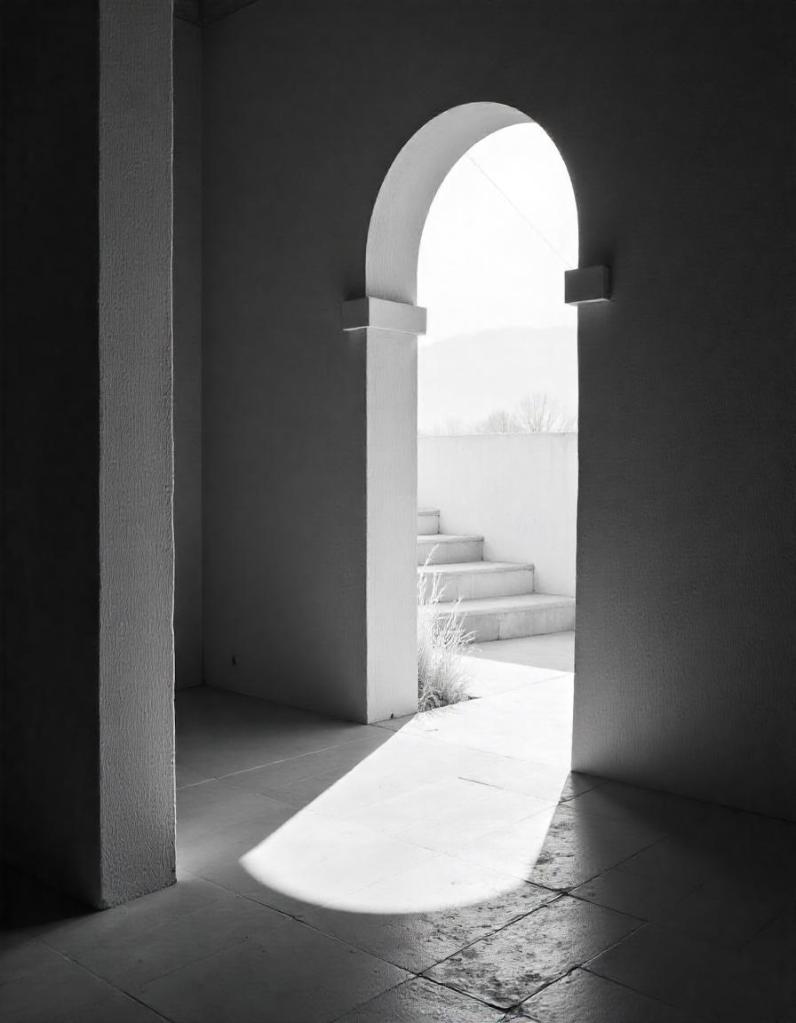
Understanding the historical context of a place is the first step toward sensitive design. Architects should research architectural styles, materials, and the social significance of past structures. For example, the use of courtyards in traditional Middle Eastern homes was not just aesthetic but also practical, providing natural ventilation and a private outdoor space.
2. Integrate Local Materials and Techniques

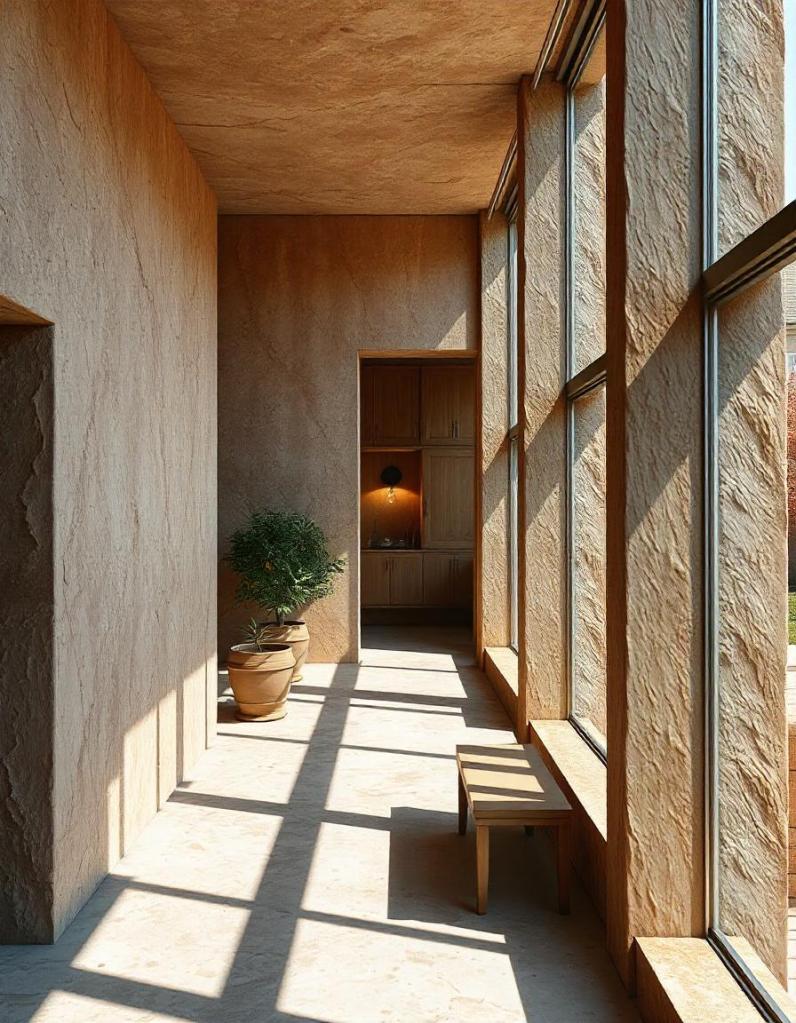
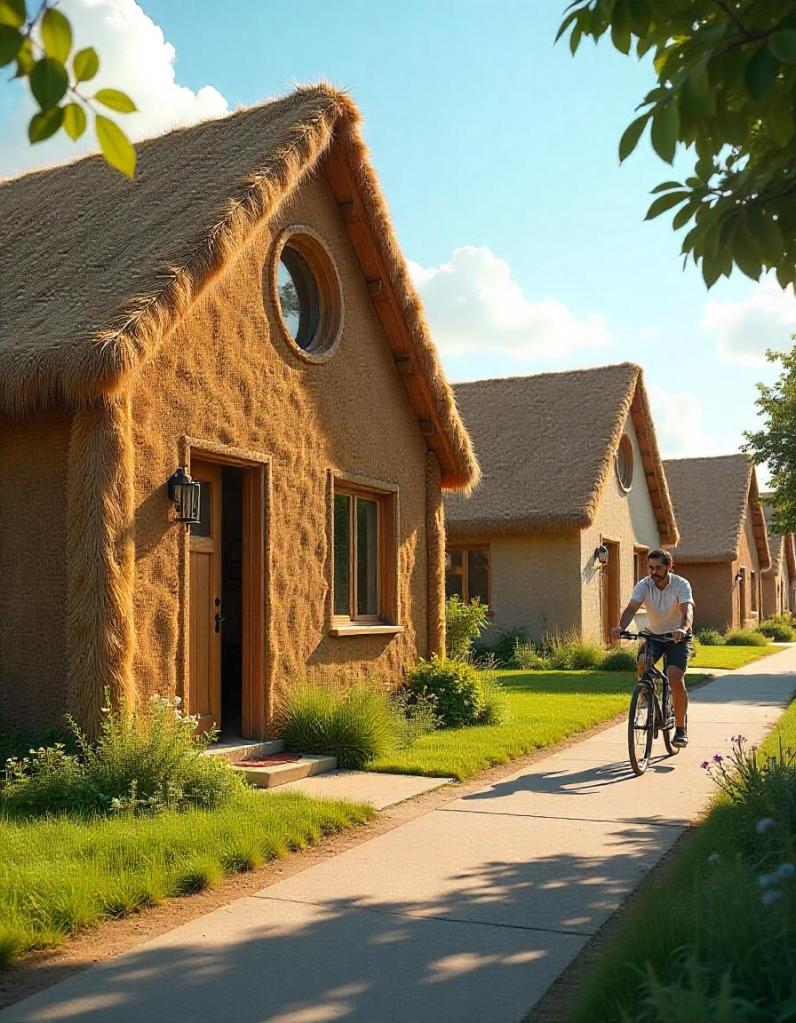
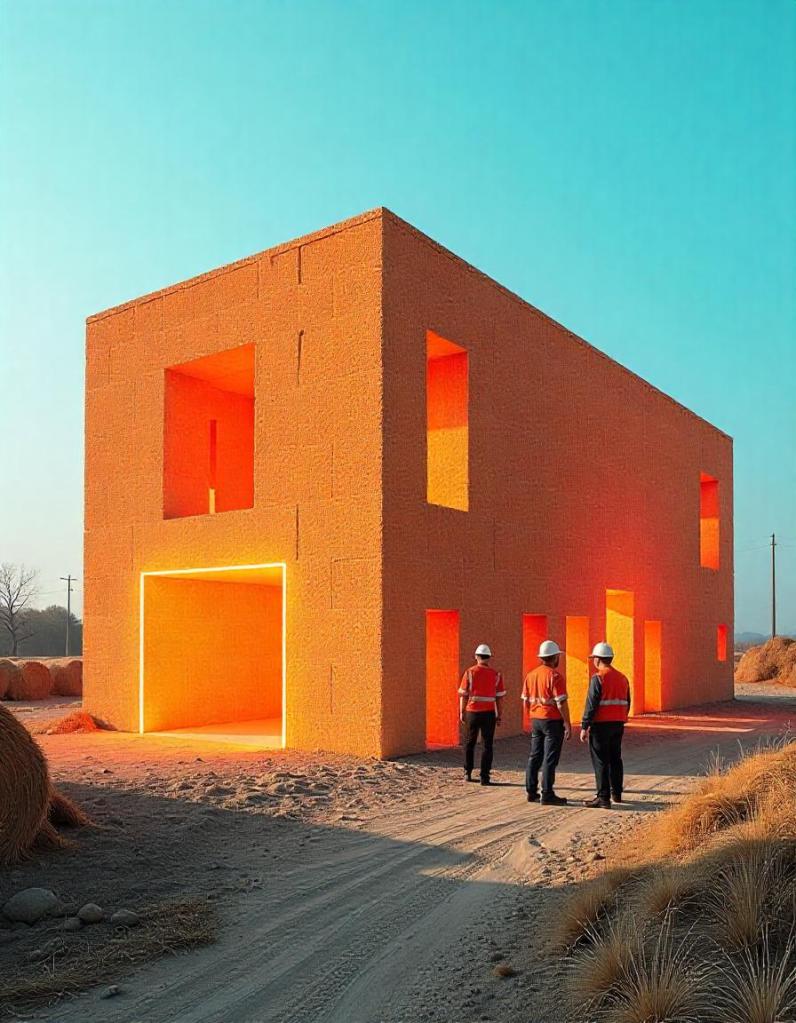
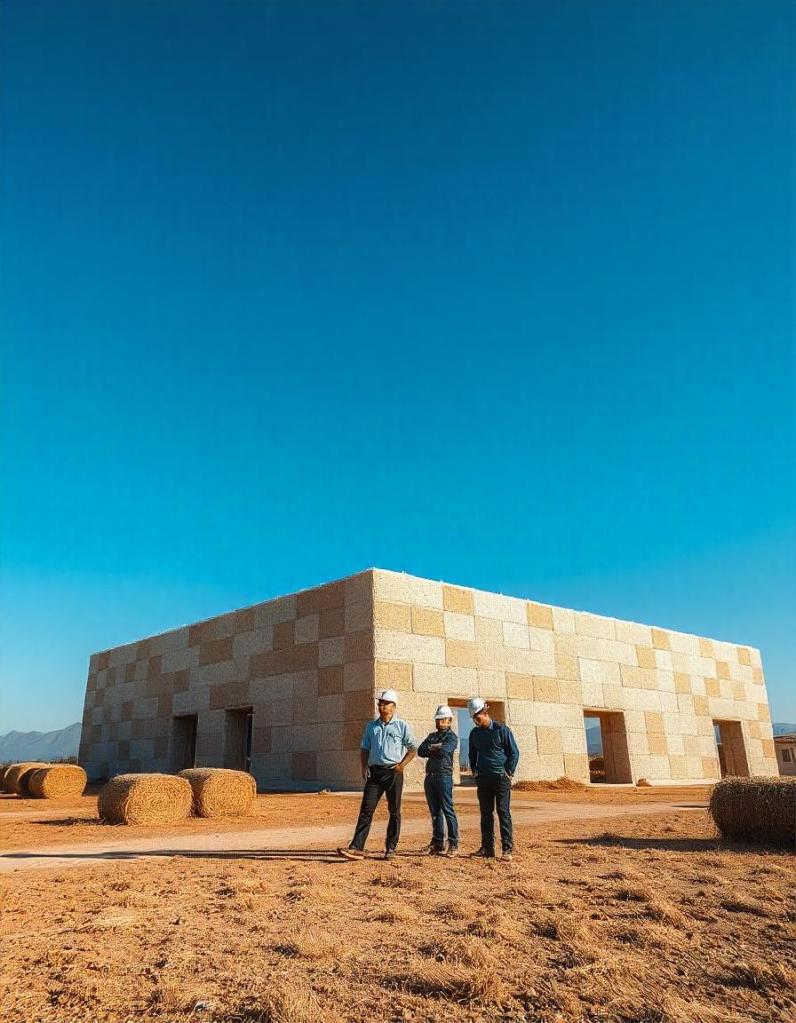
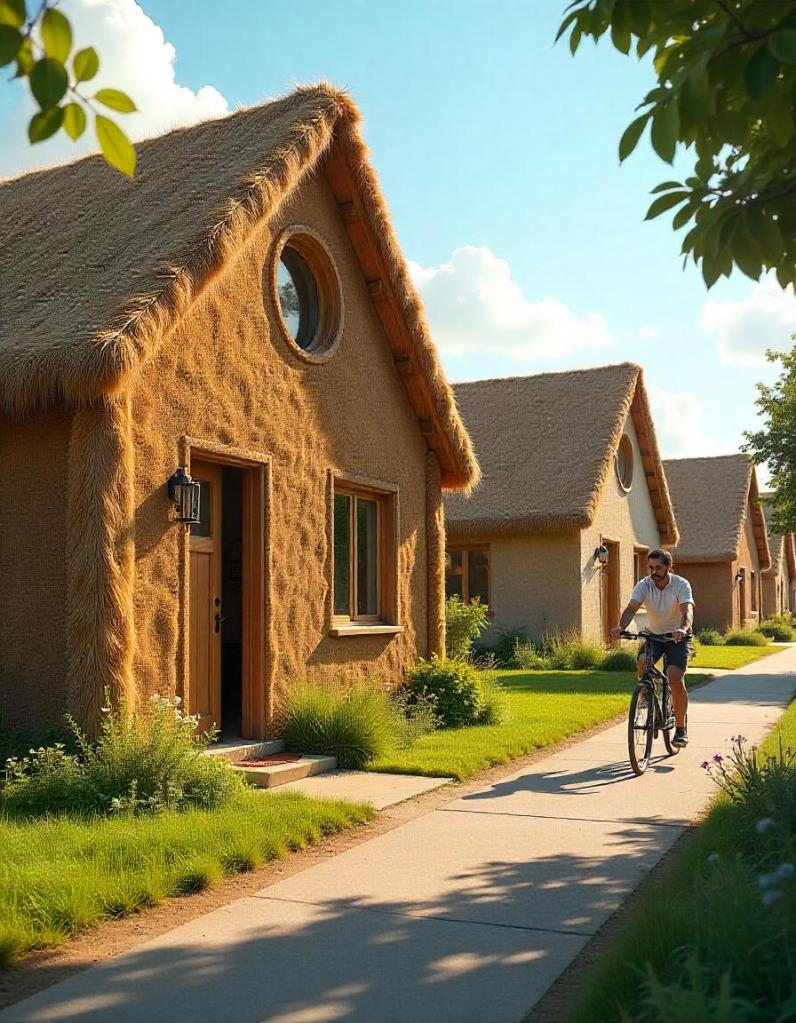
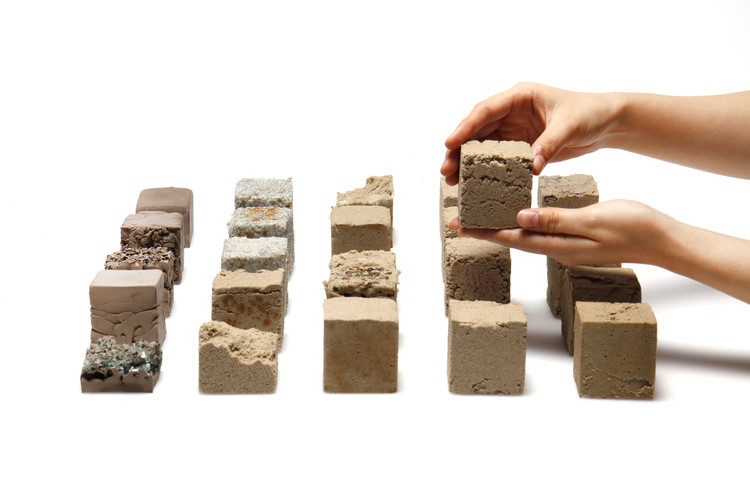
Using locally sourced materials not only reduces environmental impact but also strengthens the connection between a building and its surroundings. Techniques such as rammed earth walls or thatched roofs preserve local craftsmanship while blending seamlessly into the landscape.

3. Celebrate Cultural Symbolism

Many cultures have distinctive symbols and motifs that represent their heritage. These can be incorporated into architectural details like facades, interiors, and public art installations. For instance, Islamic architecture often integrates geometric patterns that reflect cultural and spiritual values.

4. Engage the Community

Designing with community involvement ensures that the final structure reflects their needs and aspirations. Public consultations or workshops allow architects to gather insights into what matters most to the people who will use the space.
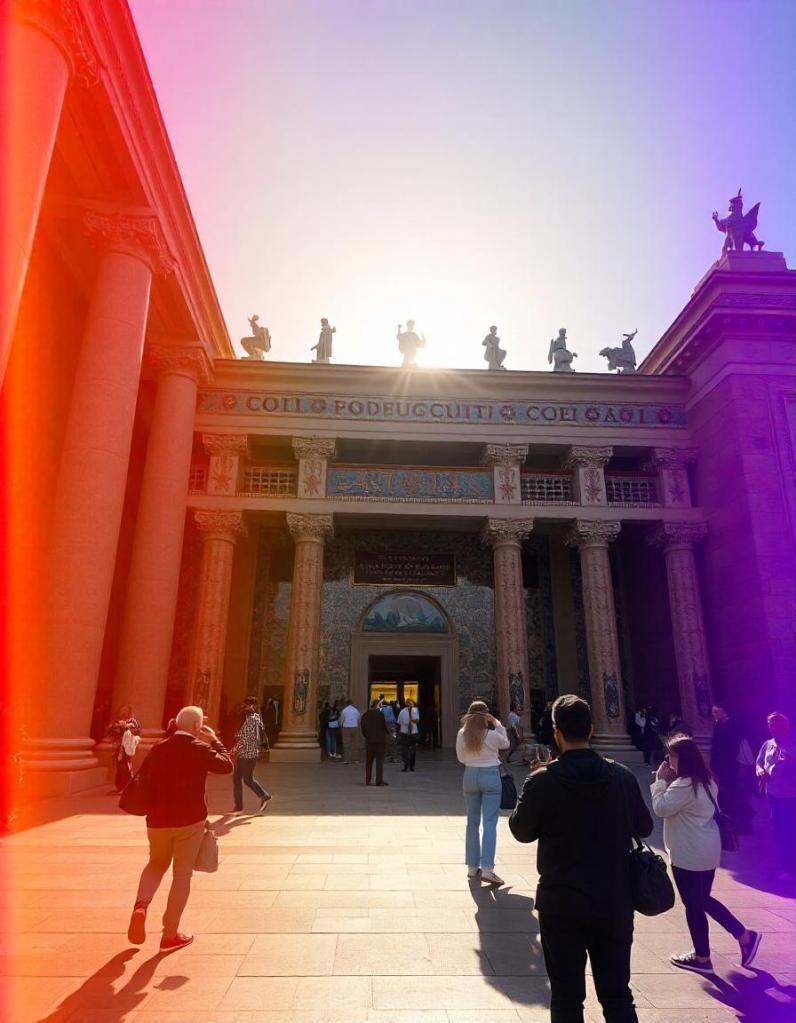
5. Respect Religious and Social Practices

Understanding religious and cultural norms is essential for designing spaces that cater to local lifestyles. For instance, in regions where communal living is central to culture, homes may include shared courtyards or multi-generational living areas.

6. Adapt Traditional Forms for Modern Needs

While preserving cultural elements, it’s crucial to adapt them for contemporary usage. A great example is the reinterpretation of the traditional Japanese tatami room into flexible spaces that meet modern needs while retaining cultural aesthetics.
Examples of Culturally Sensitive Architecture

  • The National Museum of African American History and Culture (USA): Its design incorporates motifs inspired by African art, reflecting the cultural journey of African Americans.
  • The Aga Khan Museum (Canada): This museum showcases Islamic art while incorporating modern architectural techniques, striking a balance between heritage and innovation.
  • Gando Primary School (Burkina Faso): Built using local materials like clay, this school harmonizes with its environment while addressing the practical needs of the community.
Challenges in Culturally Sensitive Design

While cultural sensitivity in architecture offers immense benefits, it comes with challenges:

  • Balancing tradition with modernity: Incorporating cultural elements without making designs feel outdated can be tricky.
  • Cost and availability of materials: Local materials and techniques may be expensive or hard to source.
  • Interpreting culture respectfully: Misrepresenting or oversimplifying cultural elements can lead to backlash.
The Future of Cultural Sensitivity in Architecture

As we move towards a more connected world, cultural sensitivity will play a critical role in shaping inclusive and diverse spaces. Architects are now tasked with creating designs that honor the past, meet present needs, and anticipate future demands.

Through thoughtful design practices, we can celebrate diversity while addressing the global need for sustainability and innovation.

Conclusion

Culturally sensitive architecture is not just about preserving the past—it’s about weaving a rich tapestry of tradition and modernity. By honoring local culture and respecting traditions, architects can create spaces that are not only functional but also deeply meaningful.


#CulturalSensitivity #Architecture #TraditionInDesign #ModernArchitecture #SustainableDesign #LocalCulture #ArchitecturalHeritage #InclusiveDesign #CommunityArchitecture #RespectingTraditions
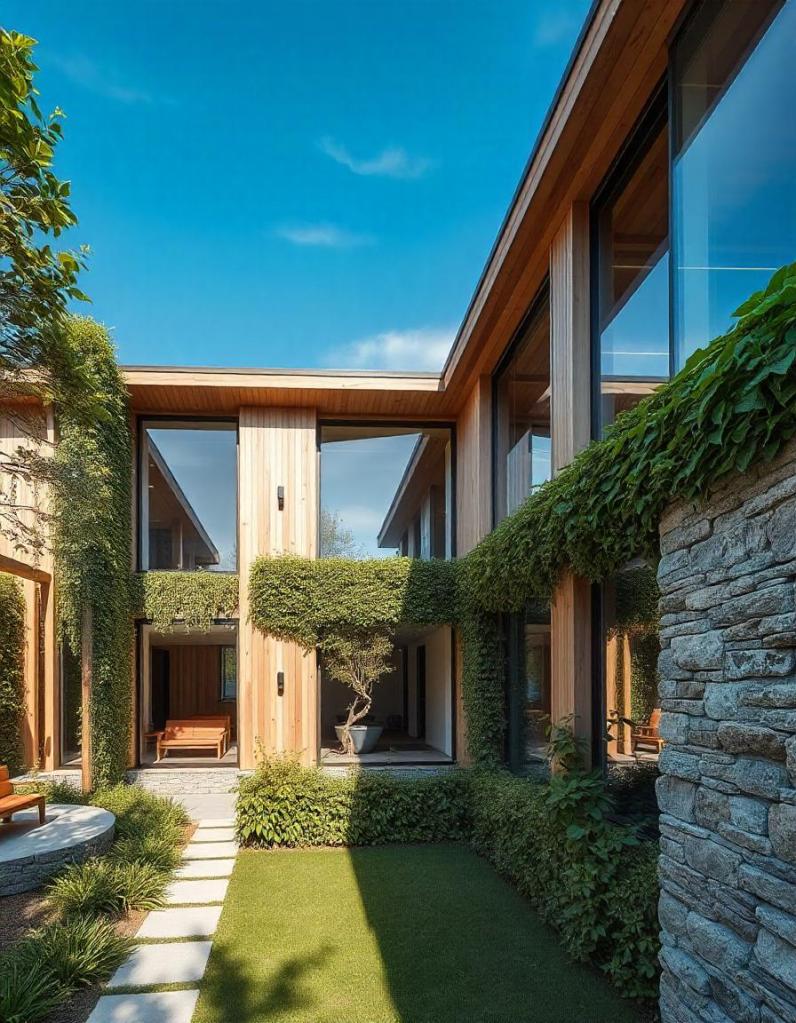
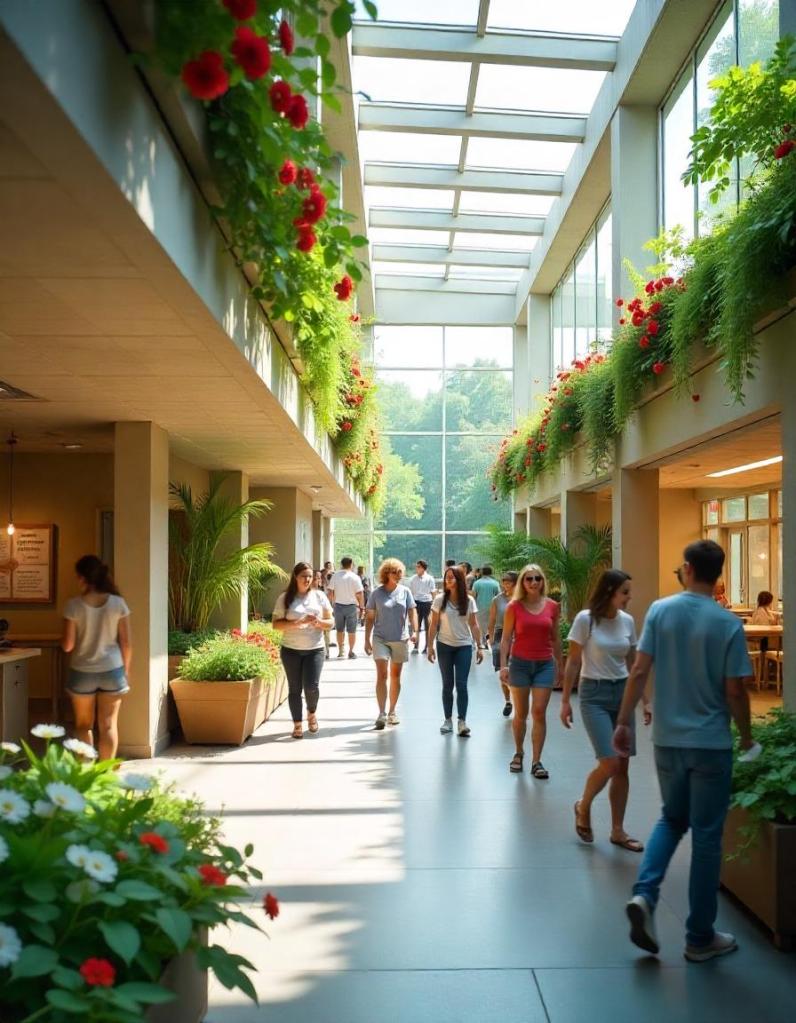
Biophilic Design in Modern Architecture: Enhancing Well-being and Productivity

The concept of biophilic design has gained momentum in modern architecture as a way to bring nature into urban spaces, enhancing well-being and productivity. In an era where people spend the majority of their time indoors, biophilic design provides a vital link to the natural world, fostering a deeper sense of connection, comfort, and health.


What is Biophilic Design?

Biophilic design centers around integrating natural elements into architectural spaces to create environments that promote psychological well-being. This approach goes beyond aesthetics, focusing on design elements that mimic natural forms, lighting, and textures, all of which contribute to a restorative experience for occupants. The core of biophilic design lies in reconnecting people with nature, even in urban settings, by embedding organic elements within structures.


Key Elements of Biophilic Design

  1. Green Walls and Vertical Gardens Green walls, also known as living walls, are vertical gardens that bring lush greenery indoors. These walls purify the air, absorb sound, and create a serene ambiance, effectively reducing stress and fatigue among occupants. Vertical gardens are also aesthetically pleasing and inspire a connection to nature in limited spaces.
  2. Natural Ventilation and Fresh Air Circulation Access to fresh air is a crucial part of biophilic architecture. Natural ventilation allows air to flow through buildings, minimizing the need for artificial climate control and enhancing indoor air quality. Proper ventilation is particularly impactful in shared spaces, helping reduce indoor pollutants and creating a fresher, more invigorating environment.
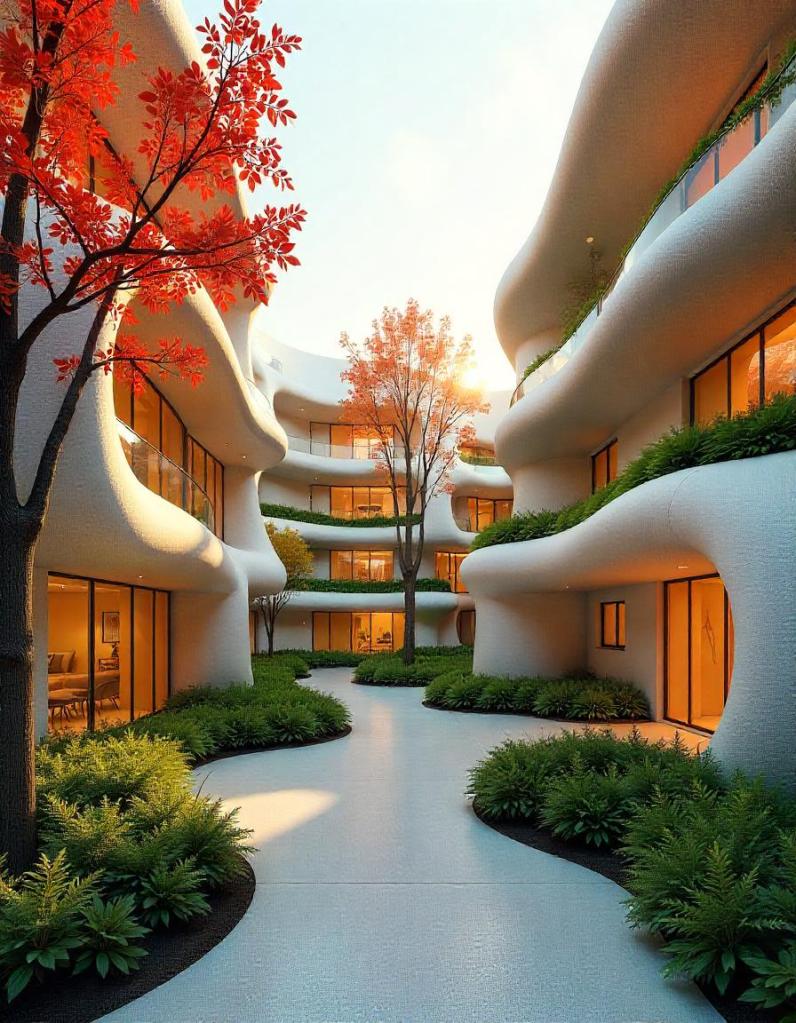
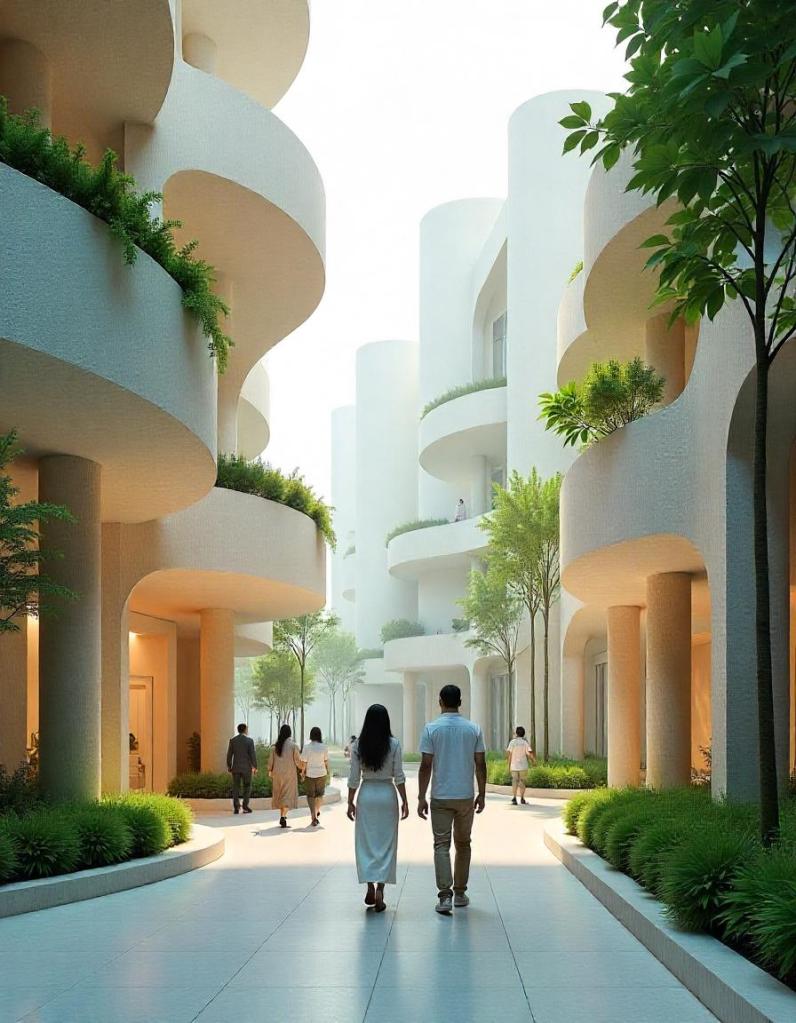
  3. Organic Forms and Natural Shapes The use of organic shapes and curvilinear forms inspired by nature contrasts sharply with rigid, conventional structures. These natural shapes echo landscapes found in nature, like rolling hills or flowing rivers, which can help create a soothing atmosphere. Curved elements and non-linear layouts can soften spaces, making them feel more approachable and relaxing.
  4. Natural Light and Biophilic Lighting Design Adequate natural lighting is essential in biophilic design. Maximizing daylight through skylights, large windows, and reflective surfaces allows natural light to permeate spaces, reducing dependence on artificial lighting. Studies have shown that exposure to natural light can improve mood, boost productivity, and regulate sleep patterns.
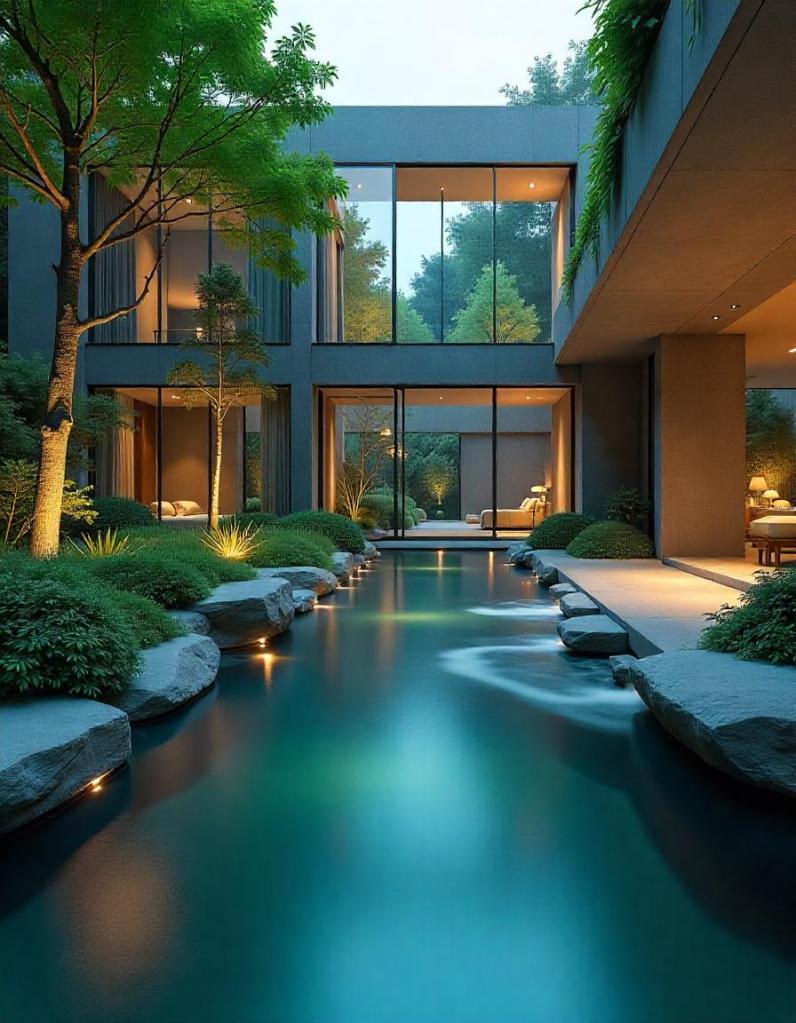
  5. Water Features and Nature Sounds Incorporating water features like fountains, waterfalls, or small ponds adds another sensory element to buildings. The sound and sight of water create a calming effect, reminiscent of nature. Moreover, the presence of water indoors can increase humidity levels, which is especially beneficial in dry environments.

Health and Productivity Benefits of Biophilic Design

Biophilic design is known to enhance both mental and physical health. Research indicates that exposure to nature-inspired environments reduces stress, enhances focus, and even boosts creativity. Employees working in biophilic spaces report lower stress levels, while schools utilizing natural designs observe improved cognitive function and higher academic performance in students. Additionally, patients in hospitals with access to natural views and elements often experience faster recovery rates.

  • Increased Productivity: Offices with biophilic elements experience higher productivity as employees feel more connected, relaxed, and motivated in naturally inspired environments.
  • Enhanced Well-being: Natural settings help decrease cortisol levels and encourage relaxation, improving overall mental well-being.
  • Environmental Benefits: Green walls and indoor plants contribute to better air quality and reduced carbon dioxide levels, creating a healthier environment for all occupants.

Biophilic Design in Practice: Real-World Applications

Biophilic design is being embraced in various settings worldwide. From corporate offices with indoor gardens to apartment buildings with natural light corridors, the integration of nature is redefining the user experience in built environments.

  1. Google’s Bay View Campus incorporates green roofs and open-air layouts that encourage airflow and natural light, exemplifying how biophilic design improves workplace well-being.
  2. Singapore’s Changi Airport boasts a massive indoor garden, a waterfall, and skylights, creating a tranquil atmosphere that promotes relaxation amidst bustling travel.
  3. Pasona Group Headquarters in Tokyo includes indoor urban farms where employees can grow their food, merging productivity with well-being.

The Future of Biophilic Design

As urbanization increases, the demand for sustainable and biophilic architecture continues to grow. Future trends in biophilic design are expected to integrate more advanced green technologies, such as smart lighting systems that mimic natural daylight and automated climate control influenced by outdoor conditions.


Embracing Biophilic Design for a Healthier Tomorrow

Biophilic design is more than a trend; it is a transformative approach to modern architecture that aligns with human needs for natural connection. By incorporating elements like green wallsnatural light, and organic forms, architects can create spaces that foster well-being, productivity, and a profound sense of harmony with nature.


Key Takeaways

  • Green Walls and Vertical Gardens purify indoor air and add greenery to limited spaces.
  • Natural Ventilation improves air quality and reduces indoor pollutants.
  • Organic Forms in architecture bring a natural flow and relaxation.
  • Natural Light contributes to productivity, mood enhancement, and sleep regulation.
  • Biophilic spaces boost mental well-being, productivity, and creativity.

By integrating nature into urban life, biophilic design bridges the gap between city living and the natural world, proving that design can indeed enhance human experience and well-being.

#BiophilicDesign #ModernArchitecture #Wellbeing #GreenArchitecture #SustainableDesign #HealthInBuildings #NatureInspired #GreenSpaces #Productivity #ArchitecturalDesign

Leveraging Data-Driven Design in Architecture: Enhancing Decisions from Energy Efficiency to User Experience

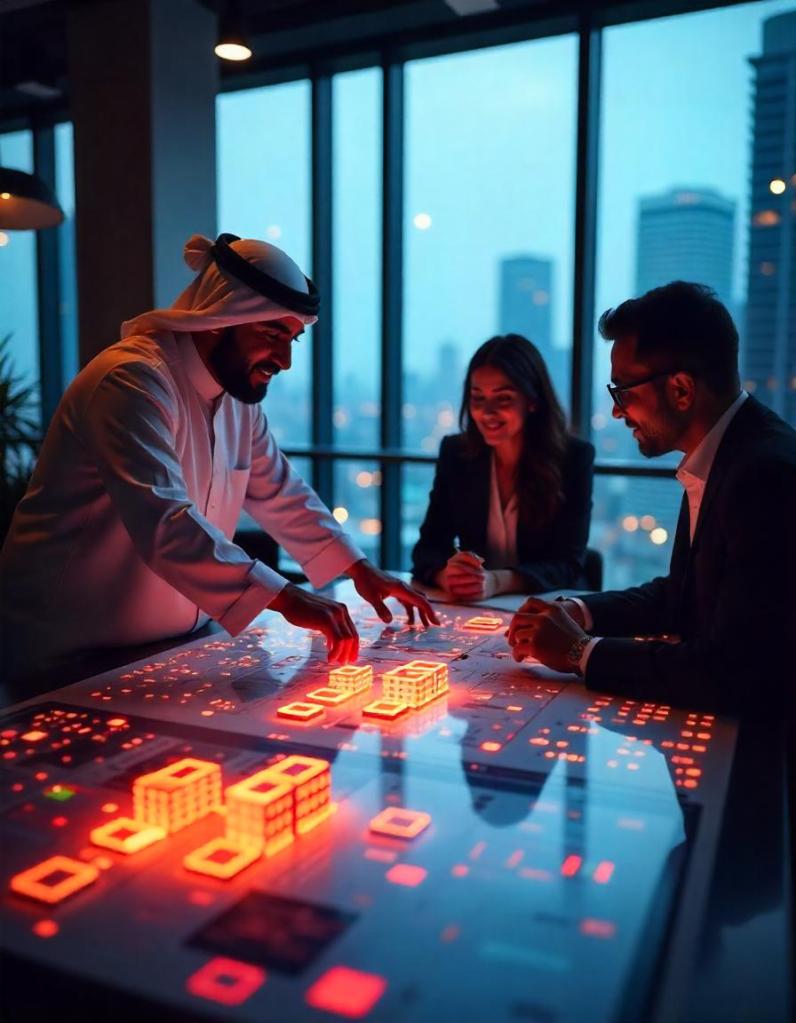
In the modern era of architecture, data-driven design has revolutionized the way buildings are conceptualized, constructed, and managed. By using data analytics and insights gathered from technology, architects can make informed decisions that optimize energy efficiency, enhance user experience, and improve overall sustainability. This approach not only creates more intelligent buildings but also leads to spaces that respond better to the needs of occupants and the environment.

The Role of Data in Architectural Decisions

Data-driven design relies on collecting, analyzing, and interpreting large datasets related to building performance, environmental conditions, and user behaviors. This wealth of information enables architects to predict how a building will function over time and to design spaces that align with their intended purpose. Key data sources in architecture include:

  • Environmental Data: Weather patterns, sunlight, and seasonal changes impact building efficiency.
  • Occupancy Data: Analysis of how people use and move through spaces allows for better space optimization.
  • Material Data: Insights into the properties and sustainability of materials inform choices that reduce environmental impact.

Using this data, architects can make decisions that enhance a building’s energy performance, reduce operating costs, and contribute to sustainable architecture practices.

Energy Efficiency and Sustainability

Energy efficiency is a primary focus in data-driven design. By using energy modeling software and predictive analytics, architects can design buildings that minimize energy consumption and environmental impact. For example, simulations can forecast how much natural light a building will receive, informing the design of windows, facades, and lighting systems to reduce the need for artificial lighting and improve energy efficiency.

Case Study: Smart Facades in Office Buildings

A major tech company’s headquarters in Silicon Valley incorporated a smart facade that adjusts to external environmental conditions. Using data from temperature and sunlight sensors, the facade modulates its shading and insulation properties to optimize indoor temperatures. This data-informed design decision reduced the building’s cooling load by nearly 20%, contributing to significant energy savings and a comfortable indoor environment.

Enhancing User Experience through Data

User experience is another critical area where data-driven design has had a profound impact. By analyzing user behavior within spaces, architects can understand how people interact with their environment and tailor the design to meet their needs. This can be especially important in high-traffic areas, such as offices, schools, and public buildings, where optimal layouts improve flow, reduce congestion, and enhance overall satisfaction.

Case Study: Data-Driven Office Layouts

A recent office design project in New York City used data on employee movement and space utilization to create a hybrid work environment. Sensors and feedback data revealed that employees preferred quiet zones for focused work, as well as collaborative spaces for team projects. The design team used these insights to create a layout that maximized productivity and comfort, with designated quiet areas, communal zones, and adaptable furniture arrangements.

Leveraging IoT and Building Information Modeling (BIM)

The Internet of Things (IoT) and Building Information Modeling (BIM) are two technologies that drive data-driven design. IoT sensors in buildings provide real-time data on temperature, humidity, air quality, and occupancy, enabling architects to make adjustments that enhance comfort and energy efficiency. Meanwhile, BIM platforms allow for the creation of detailed 3D models that track every aspect of a building’s design and performance, from initial concept to post-construction.

Case Study: Using IoT in Smart Campus Buildings

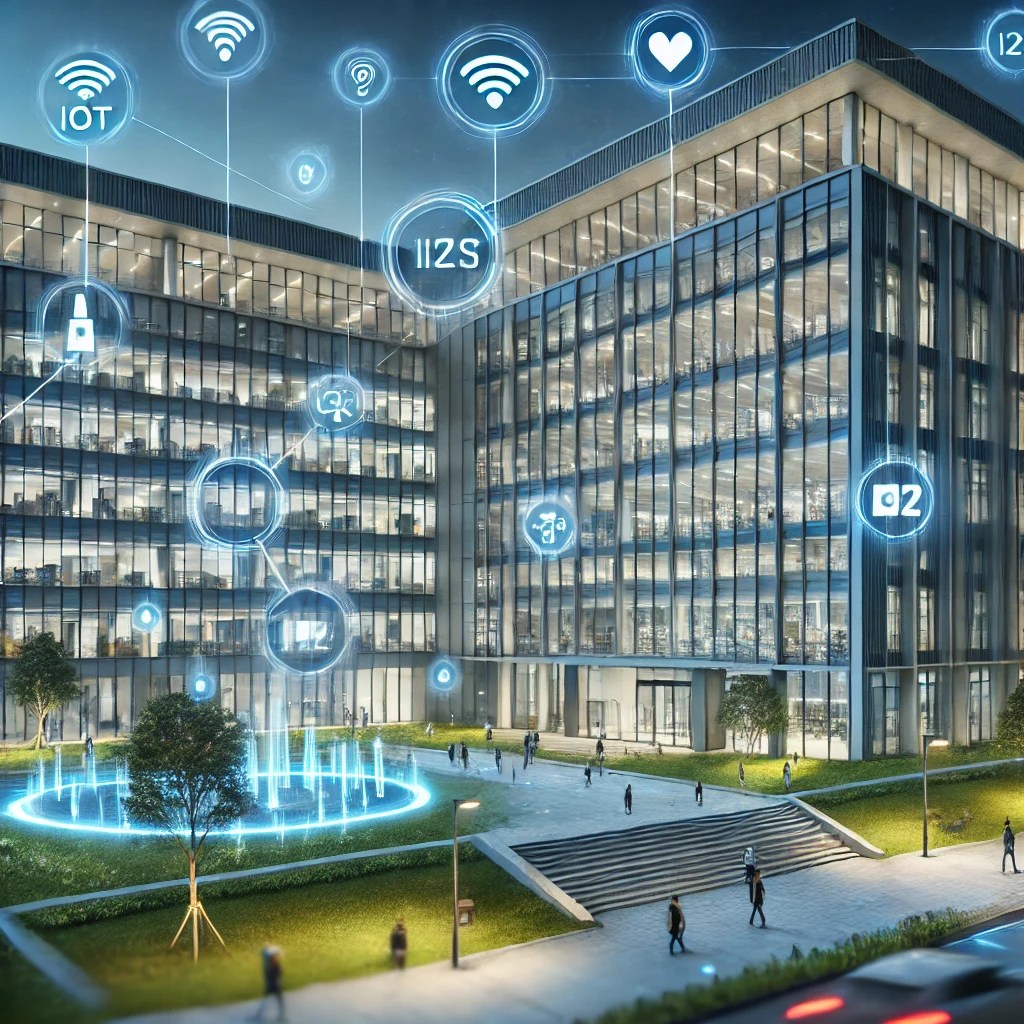
At a university campus, IoT sensors were integrated into classroom and common areas to monitor energy use and occupancy patterns. By analyzing this data, the facility team adjusted HVAC and lighting systems based on real-time demand, leading to a 15% reduction in energy costs and a noticeable improvement in student comfort. This data-driven approach has set a standard for future campus projects focused on sustainability and user experience.

The Benefits and Future of Data-Driven Design in Architecture

The rise of data-driven architecture presents numerous advantages:

  • Enhanced Energy Efficiency: Optimizing energy use not only lowers costs but also reduces the building’s carbon footprint, contributing to sustainability.
  • Improved User Experience: Spaces are more responsive to the needs of occupants, leading to higher satisfaction and productivity.
  • Informed Material Choices: Data enables architects to select materials that are durable, sustainable, and fit for purpose.
  • Better Decision-Making: Data-backed insights allow for more precise, impactful design decisions.

As the adoption of big data and machine learning in architecture continues to grow, the future holds exciting possibilities for even smarter buildings. Advanced predictive models may soon allow architects to forecast building performance years in advance, enabling the design of adaptable structures that evolve with changing user needs and environmental conditions.

In conclusion, data-driven design is transforming the architecture industry by empowering architects to make better-informed decisions, resulting in buildings that are not only more efficient and sustainable but also more attuned to the people who use them. As more firms embrace this approach, data will become an integral tool for creating the buildings of tomorrow.


#DataDrivenDesign #SustainableArchitecture #UserExperience #EnergyEfficiency #SmartBuildings #ArchitectureInnovation #IoTInArchitecture #BIM

Smart Facades: The Future of Climate-Responsive Building Design

In the evolving world of architecture, smart facades have become a focal point for climate-responsive design, offering a seamless blend of aesthetics and environmental adaptability. These advanced facades are engineered to react to external climatic conditions, enhancing energy efficiency while ensuring that buildings remain visually striking. As environmental concerns grow, architects and designers are increasingly exploring how smart facades can transform our relationship with built spaces, creating buildings that work with nature instead of against it.

What Are Smart Facades?

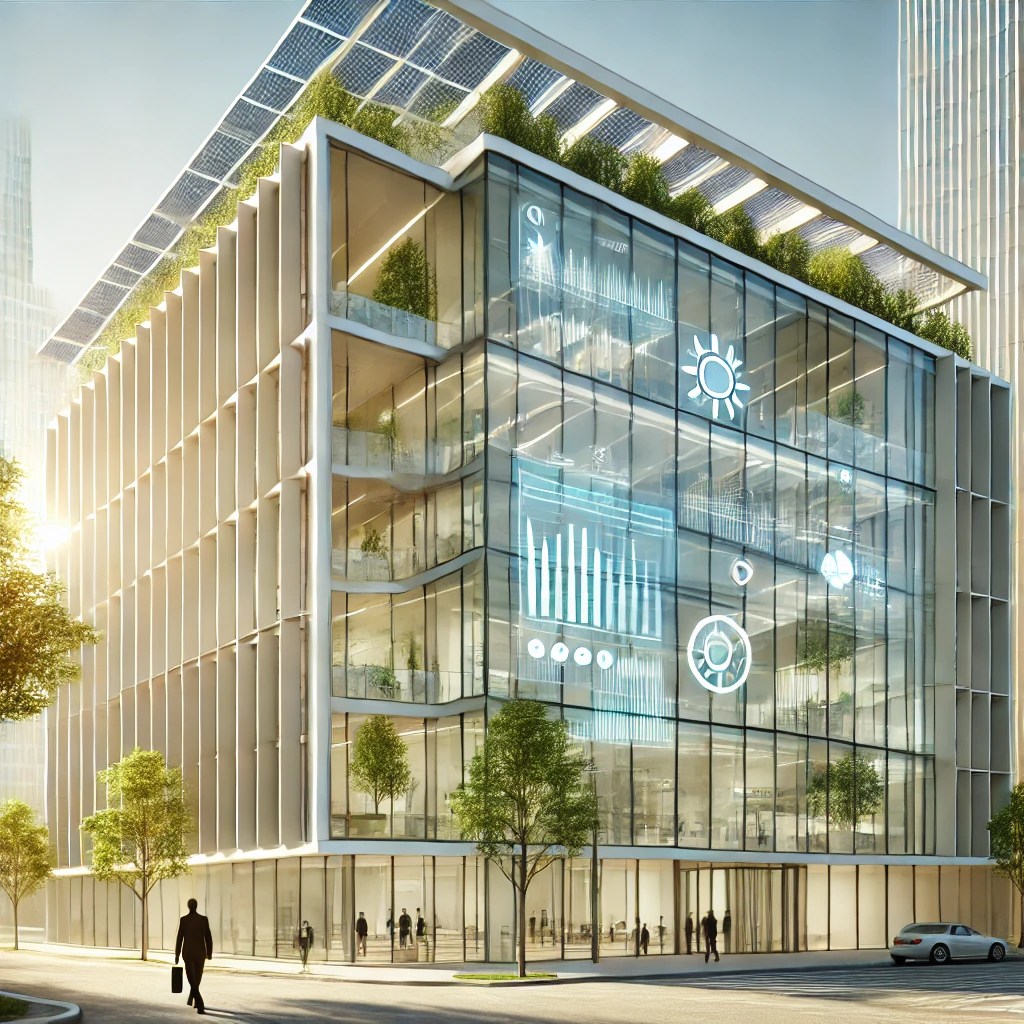
Smart facades, also known as adaptive or dynamic facades, are exterior building systems designed to respond automatically to changes in the environment. They utilize advanced materials and technologies, such as sensors, actuators, and photovoltaic cells, to monitor external conditions like sunlight, temperature, and wind. Based on these inputs, the facade adjusts itself — either through shading, insulation, or ventilation — to optimize indoor conditions without relying heavily on artificial climate control.

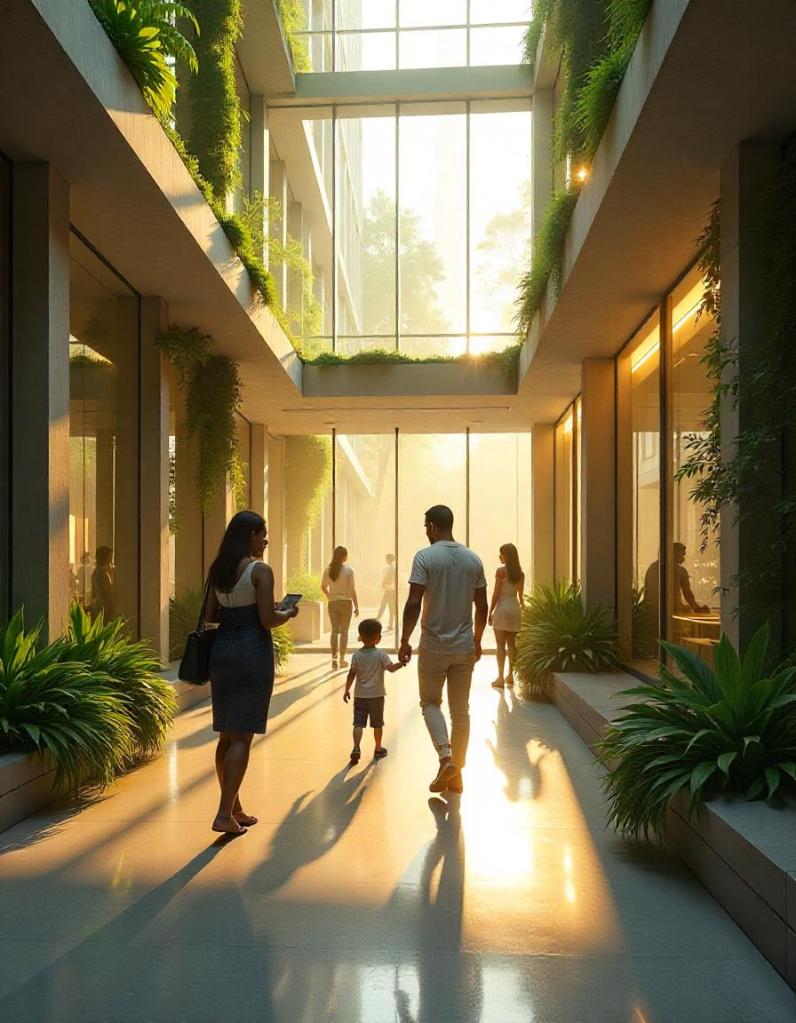
For example, some smart facades employ electrochromic glass that tints or clears depending on the sun’s intensity, reducing the need for air conditioning and maintaining comfortable indoor temperatures. Others have operable louvres or shades that adjust in real-time to control light penetration and reduce glare, enhancing user comfort while conserving energy.

Benefits of Smart Facades

  1. Energy Efficiency
    Smart facades contribute significantly to a building’s energy performance by reducing reliance on heating, ventilation, and air conditioning (HVAC) systems. During warmer months, they can minimize solar gain by adjusting shading elements or switching to tinted glass, thereby cutting down cooling needs. Conversely, in colder climates, these facades can allow more sunlight to penetrate, reducing the demand for heating.
  2. Enhanced Indoor Comfort
    Adaptive facades create a more comfortable indoor environment by automatically regulating factors like sunlight, temperature, and air quality. This ensures that occupants benefit from consistent natural lighting, reduced glare, and optimal temperatures, all of which contribute to productivity and well-being.
  3. Aesthetic Appeal
    Aside from their functional benefits, smart facades offer unique aesthetic possibilities. With movable panels, dynamic shading systems, and color-changing glass, these facades provide a visually engaging experience that can transform a building into an iconic landmark. Their changing patterns reflect the building’s interaction with its environment, adding a layer of beauty to sustainable design.
  4. Sustainability
    As climate concerns intensify, the ability of smart facades to reduce a building’s carbon footprint is increasingly valuable. By minimizing energy consumption and using sustainable materials, smart facades support green building practices and align with global sustainability goals

Examples of Smart Facade Technologies

  • Electrochromic Glass
    This glass adjusts its tint automatically or manually in response to sunlight, reducing the need for blinds and optimizing natural lighting.
  • Photovoltaic Facades
    These facades integrate solar cells, generating renewable energy for the building while providing shade and insulation.
  • Kinetic Facades
    Composed of panels or screens that move in response to environmental conditions, kinetic facades adjust to sunlight, wind, and even user preferences, creating a dynamic appearance and improving energy efficiency.
  • Breathable Facades
    These systems feature materials that control ventilation based on air quality and temperature, reducing reliance on mechanical systems for indoor air quality management.

The Future of Smart Facades

As urban centers grow and climate concerns become central to design strategies, the demand for adaptive facade systems is likely to increase. Cities with extreme climates, from hot, arid regions to colder, high-latitude areas, benefit from facades that respond intelligently to local environmental conditions. As costs of these technologies decrease and materials advance, smart facades may become the standard for high-performance building design.

Moreover, the integration of AI and IoT (Internet of Things) with facade technology opens new doors for climate-responsive design. Future smart facades could utilize machine learning to learn from daily conditions, gradually optimizing energy efficiency. Real-time data could be shared across building networks, allowing entire city blocks to react in unison to climate patterns.

Conclusion

Smart facades represent the convergence of architecture, sustainability, and technology, embodying the future of climate-responsive design. These systems not only improve a building’s energy efficiency and reduce its environmental impact but also enhance its aesthetic appeal, adding a dynamic, interactive quality that reflects the natural world. As we move toward more sustainable, resilient cities, smart facades will undoubtedly play a critical role in shaping a greener, smarter urban future.

#SmartFacade #ClimateResponsiveDesign #GreenArchitecture #SustainableDesign #BuildingInnovation #EnergyEfficiency #AdaptiveArchitecture #UrbanSustainability #DynamicFacades #EcoFriendlyBuildings

Creating Engaging Architectural Proposals: Merging Storytelling with Data

When crafting an architectural proposal, balancing compelling storytelling with precise technical data can make a significant difference in how it resonates with clients. While clients appreciate the technical depth that architecture demands, they also connect with a story—one that paints a clear picture of how a design will benefit them, their users, and the surrounding community. In this article, we’ll dive into practical tips on how to write effective, data-backed architectural proposals that capture client attention and communicate project value.

1. Start with a Strong Narrative

Every successful architectural proposal begins with a clear story that helps clients visualize the impact of the design. Instead of jumping straight into technical details, begin by presenting a strong narrative. Describe the problem or need that the design addresses and outline how your proposed solution will meet this need. For example, you could start with, “Imagine a building that not only blends seamlessly with its natural surroundings but also enhances energy efficiency through passive solar design.” This helps clients envision the project’s potential, creating an emotional connection before diving into specifics.

2. Highlight Client-Centered Benefits

Clients are interested in how the design benefits them directly—whether that’s through reduced costs, enhanced sustainability, or improved functionality. After introducing the concept, explicitly outline the tangible benefits of the design. Focus on how the project aligns with the client’s goals and values, such as promoting sustainability, cost-effectiveness, or a stronger brand image. For instance, if the project includes sustainable elements like green roofs or energy-efficient facades, highlight how these features could lead to lower operational costs over time.

3. Use Data to Support Your Story

Once the story is established, back it up with solid data. Quantifiable data helps clients understand the real-world impact of your design. Include statistics, case studies, or metrics that validate your design decisions. For example:

  • “Research shows that buildings with passive solar design can reduce energy consumption by up to 30%.”
  • “Studies indicate that natural lighting in workspaces improves productivity by 15%.”

Whenever possible, include data relevant to the specific needs or interests of the client to create a proposal that feels tailored and deeply relevant.

4. Visualize Your Concepts

Visuals play a crucial role in telling your story. Architectural drawings, 3D renders, and diagrams can transform abstract ideas into something concrete and captivating. Incorporate these visuals strategically to complement the narrative. For example, if you’re describing an open, flexible office space, use renderings to showcase how the layout fosters collaboration and adaptability. Be sure visuals align with the client’s brand, aspirations, and the project’s overall goals, reinforcing the emotional appeal of the narrative.

5. Present Technical Details Clearly and Concisely

Technical data is essential, but it’s crucial to present it in a way that’s digestible and relevant. Use clear headings, bullet points, and short paragraphs to keep the technical section organized. Avoid overloading the proposal with jargon; instead, translate technical elements into benefits. For instance, rather than detailing every insulation material, you might write: “This high-performance insulation will ensure energy efficiency and lower heating costs, keeping the building comfortable year-round.”

6. Showcase Your Experience Through Relevant Examples

Demonstrate credibility by including case studies or examples of past projects that align with the client’s needs. Briefly describe the challenges and how your design solution addressed them, and if possible, include quantifiable results. For example: “In a recent office project, our sustainable lighting solution resulted in a 20% reduction in energy usage, helping our client meet their eco-friendly targets while reducing costs.”

7. Emphasize ROI with a Long-Term Perspective

Clients often focus on the immediate costs of a project, so it’s essential to address long-term value. Include a section that outlines the projected return on investment (ROI) of the design. Whether it’s reduced maintenance costs, energy savings, or increased property value, highlighting the financial and operational benefits over time can make a powerful case for your proposal.

8. End with a Clear Call to Action

Close the proposal with a straightforward call to action, encouraging the client to take the next step. Whether it’s scheduling a follow-up meeting, agreeing on the next stage of the project, or reviewing specific aspects of the proposal, a clear action step adds momentum and helps keep the client engaged.

Final Thoughts

Creating engaging architectural proposals is about striking the right balance between data and storytelling. By blending a clear narrative with supporting data and visuals, you can build a proposal that captures the client’s attention, demonstrates your expertise, and communicates the value of your work in a way that’s both compelling and memorable.

#ArchitecturalProposals #StorytellingInArchitecture #ClientEngagement #DataDrivenDesign #BuildingDesign #SustainableArchitecture #ArchitectureMarketing #ArchitectTips #ProposalWriting

Crafting Public Spaces for Community Engagement: A Community-Driven Approach

Public spaces are more than open areas in our cities; they are places for interaction, leisure, culture, and community life. The success of any public space depends not just on aesthetics but on its relevance and utility to the community it serves. To create spaces that truly resonate, the design process must be community-driven, inviting residents to participate in shaping environments that meet their needs and reflect their values. Let’s explore the value of community engagement in public space design and how this approach leads to spaces that are embraced, maintained, and cherished by the people who use them.


Why Community Engagement is Essential in Public Space Design

Designing public spaces with community input ensures that the final outcome is aligned with the daily lives, needs, and preferences of local people. This approach empowers communities, fosters a sense of ownership, and often results in spaces that are more inclusive and accessible for everyone. Community engagement is a crucial strategy for building spaces that are valued and well-used by residents, creating vibrant areas that enhance urban life and cohesion.


1. Fostering Trust and Collaboration with the Community

One of the main benefits of engaging communities is that it builds trust and promotes collaboration. Engaging local residents, leaders, and stakeholders in discussions early in the process allows designers to understand and incorporate local insights. Regular meetings, workshops, and feedback sessions encourage a partnership between the design team and the community, empowering residents to share ideas and voice concerns.

Incorporating their insights ensures that the design addresses specific needs. This process often yields ideas that are more locally relevant than an external team might otherwise anticipate—such as preferred seating arrangements, shaded walkways, or safe gathering areas. By prioritizing these needs, the space becomes genuinely relevant and appreciated.


2. Designing for Practical Needs and Everyday Lives

A successful public space must serve the practical needs of the people who use it daily. Community-driven design captures insights into routines, behaviors, and needs that might otherwise go unnoticed. This can involve everything from identifying preferred pedestrian paths to observing where locals congregate, relax, or socialize.

For example, a public plaza designed with community input might include elements such as play areas, shaded seating for elders, and open spaces for cultural events. This functional design allows the space to integrate seamlessly into the community’s lifestyle, encouraging regular use and meaningful engagement. By addressing practical needs, designers create spaces that not only look beautiful but serve a purpose in people’s lives.


3. Ensuring Inclusivity and Accessibility for All

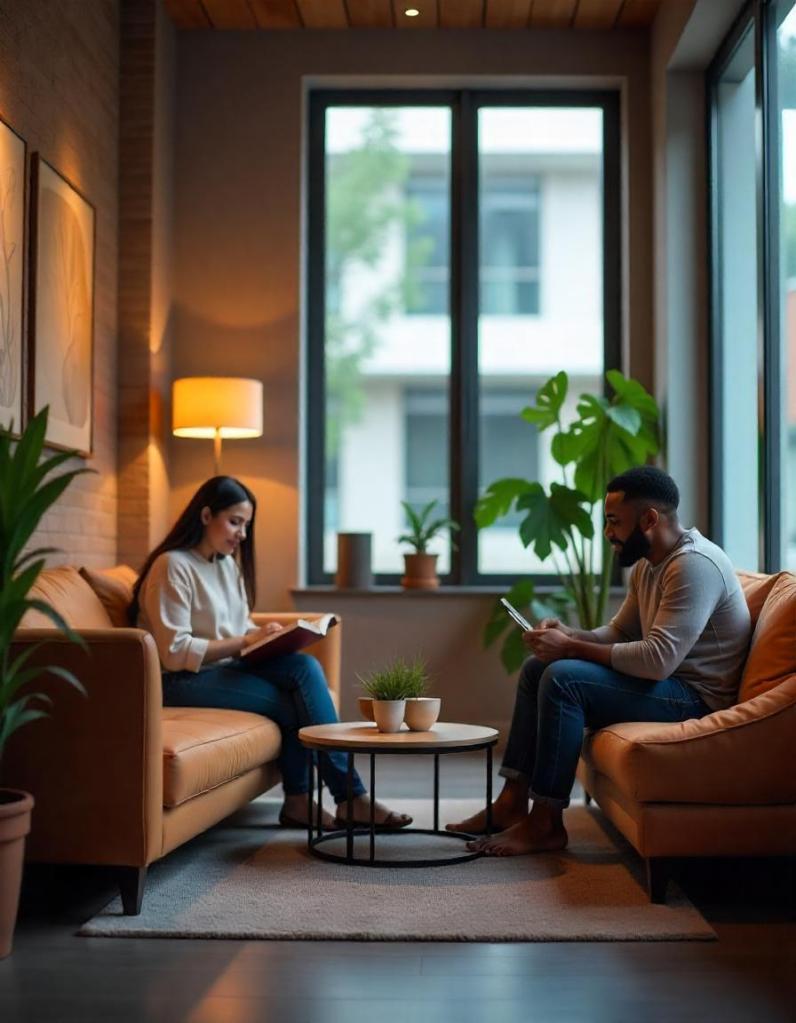
Public spaces should be welcoming to everyone, regardless of age, ability, or background. Community engagement helps ensure that diverse voices are represented, leading to a design that’s more inclusive and accessible. It’s essential to invite a wide variety of community members—children, elders, differently-abled residents, and people from different socioeconomic backgrounds—to participate in the design process.

An inclusive approach can lead to features like ramps, wide pathways, seating options for different age groups, and playgrounds that accommodate all abilities. These thoughtful details make a space accessible and enjoyable for everyone, supporting the goal of creating a public area that reflects the whole community.

The Benefits of Community-Driven Design in Public Spaces

Spaces that actively involve the community from the beginning are far more likely to become cherished, well-used places. Here’s why:

  • Increased Sense of Ownership: When residents are involved in the design process, they feel a stronger sense of pride and responsibility for the space. This ownership often translates into better care and maintenance, as people are more likely to respect and protect spaces they helped create.
  • Enhanced Cultural Relevance: Spaces designed with community input reflect local culture, heritage, and traditions. This cultural relevance creates a stronger emotional connection between the community and the space, making it a meaningful part of people’s lives.
  • Improved Usage and Foot Traffic: When a public space genuinely serves its community, it naturally attracts more visitors. A well-designed space that meets community needs sees consistent foot traffic and active engagement, enhancing urban life and supporting social interactions.

Steps to Engage Communities in Public Space Design

Designing a successful public space with community input can be accomplished through several key strategies:

  1. Organize Inclusive Workshops: Host workshops that welcome people from all demographics, ensuring that everyone has an opportunity to contribute. This inclusivity enriches the design and ensures that it resonates across different segments of the community.
  2. Conduct Surveys and Interviews: Collect feedback on specific design elements and understand the unique needs of the community. This direct input can influence essential aspects like seating, lighting, and pathways.
  3. Implement Prototype Spaces: Temporary mock-ups or installations allow people to experience the space and provide real-time feedback. This feedback can be invaluable for making final adjustments.
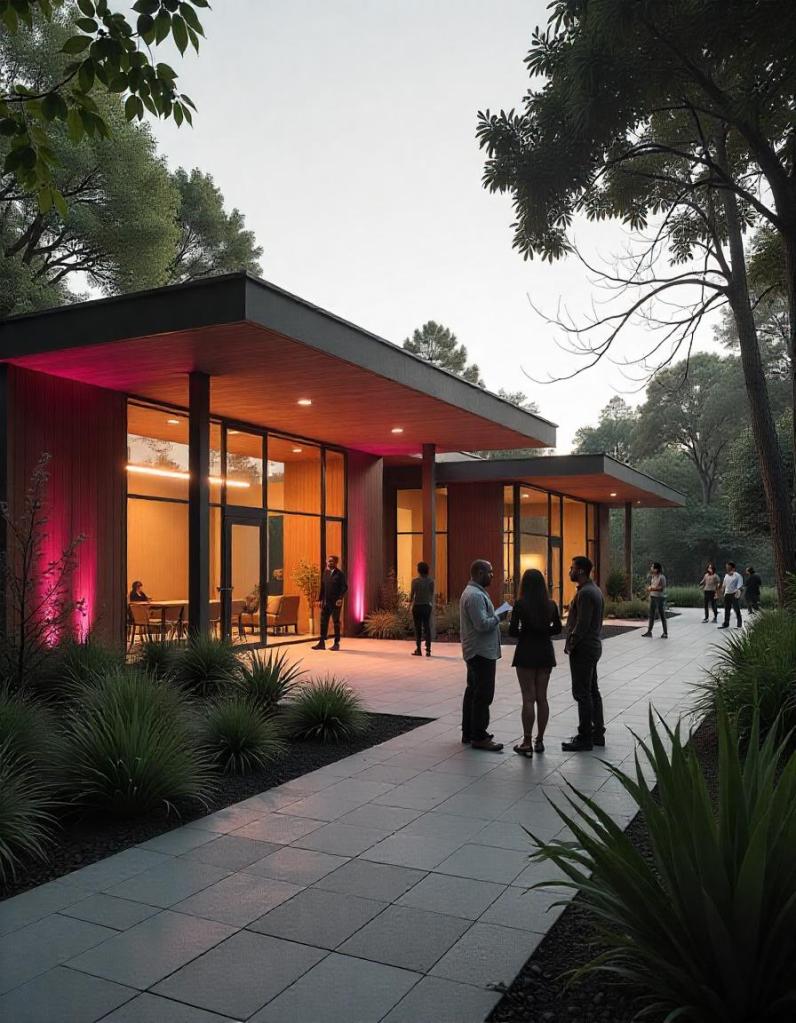
  4. Maintain Open Dialogue: Engaging with the community shouldn’t end after construction. Continued dialogue helps address any emerging issues, gather feedback, and adapt the space to evolving needs over time.

The Future of Public Spaces: Designing with the Community in Mind

Community-driven design transforms public spaces from simple areas into vibrant, beloved parts of the urban landscape. By prioritizing community needs and fostering ongoing engagement, designers and planners create public areas that support connection, accessibility, and inclusivity. This approach ensures that public spaces truly serve their communities, creating environments where people of all ages and backgrounds can gather, relax, and connect.

As more cities adopt community-driven practices, public spaces will evolve to become more responsive to the people who use them. From parks and plazas to waterfronts and town squares, these areas have the potential to enrich urban life and make communities more connected and resilient.


Final Thoughts on Community-Centered Public Spaces

Designing public spaces isn’t just about filling gaps in the cityscape; it’s about creating areas that enhance lives, foster interactions, and build a shared sense of belonging. By engaging communities in the design process, we can ensure that these spaces are not only functional and beautiful but genuinely cherished.

#CommunityDrivenDesign #PublicSpaces #UrbanEngagement #InclusiveDesign #SustainableCities #ArchitectureForAll

The Intersection of Smart Buildings and Human Comfort: How Technology is Shaping User-Centered Spaces

In an era defined by rapid technological innovation, smart buildings are no longer just futuristic concepts. They’re becoming mainstream, reshaping our expectations of the spaces we live and work in. These buildings are designed with cutting-edge automation systems and data-driven insights, creating environments that are efficient, adaptable, and, most importantly, centered around user comfort. From responsive lighting to intelligent climate control, these technologies are setting new standards in architecture, enhancing human comfort and redefining what it means to have a “smart” space.
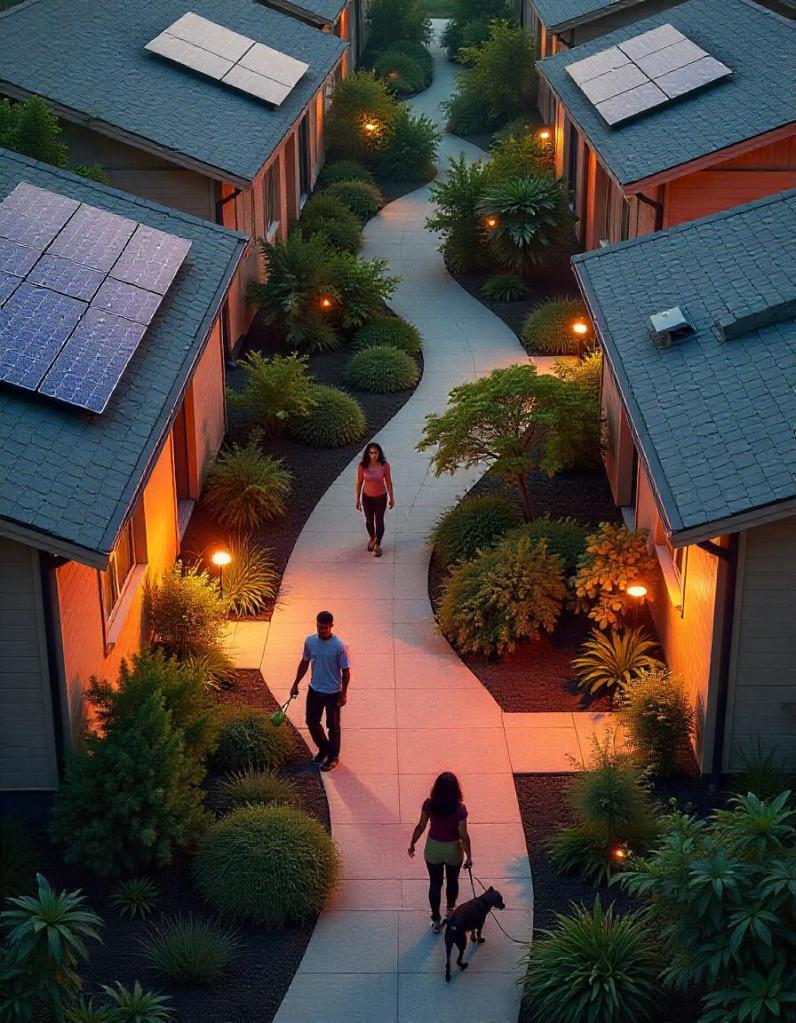
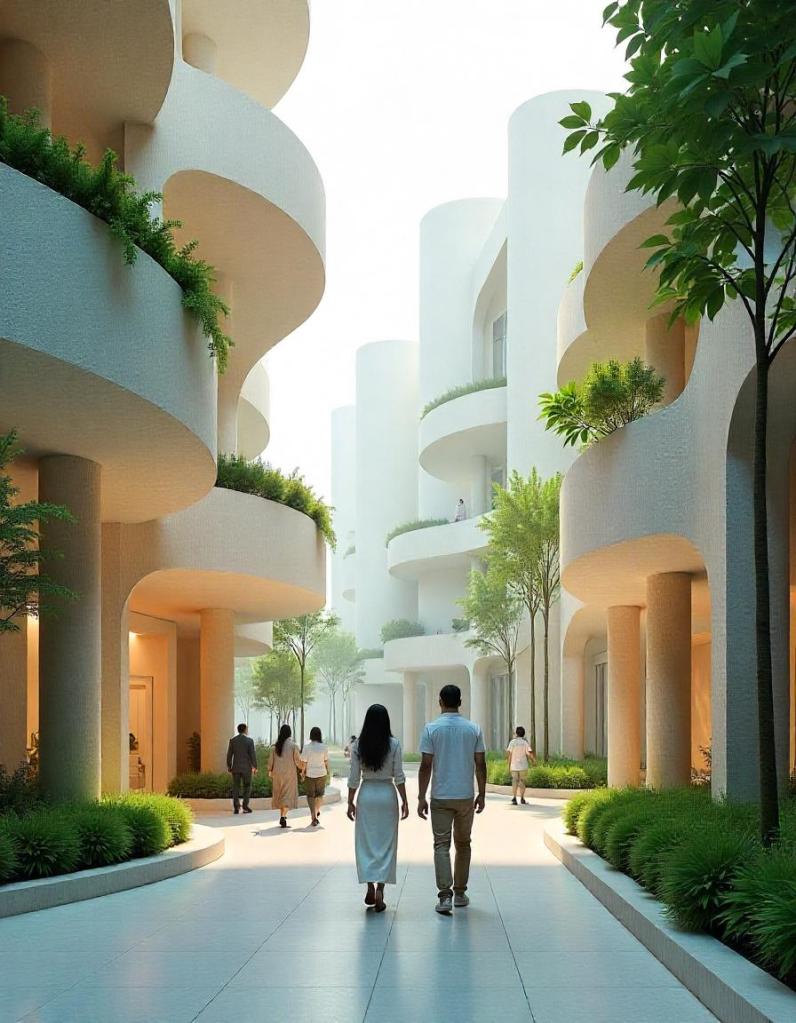
This article delves into the exciting field of smart buildings, exploring how these advancements contribute to user comfort, improve environmental efficiency, and promote a healthier and more productive lifestyle for occupants.

What is a Smart Building?

A smart building integrates various systems, technologies, and devices to interact and optimize the indoor environment autonomously. While traditional buildings operate on fixed schedules or manual adjustments, smart buildings rely on sensors, IoT (Internet of Things) devices, and software algorithms that collect and analyze data in real-time. The goal? To create responsive spaces that not only conserve energy but also enhance occupant well-being. Key features typically include:

  • Automated Lighting: Lighting systems that adjust brightness and color temperature based on the time of day, occupancy, and available natural light.
  • Climate Control: HVAC systems equipped with sensors that monitor temperature, humidity, and air quality, adjusting in real-time to maintain a comfortable environment.
  • Energy Management: Data-driven monitoring of energy consumption to optimize usage, track patterns, and make adjustments, ultimately reducing waste and promoting sustainability.
  • Security & Safety: Integrated systems including surveillance, access control, and emergency response, providing a secure and controlled environment for occupants.

These systems work together to respond to occupants’ needs almost instantaneously, eliminating discomfort and significantly improving the overall indoor experience. For example, a smart building can adjust heating and lighting as occupants move from room to room or dim lights in response to increasing natural daylight, ensuring an optimal balance between artificial and natural light.

The Role of Automation in Human Comfort

Automation lies at the heart of smart building functionality, transforming static environments into adaptive ones. Through AI algorithms and machine learning, these buildings continuously learn from the behaviors, preferences, and needs of occupants. This personalization is key in achieving higher levels of comfort.

Personalized Environmental Controls

Imagine an office space where each workstation can adjust its settings based on the preferences of individual users. For instance, sensors can detect if a room is crowded and automatically adjust the temperature to counteract the increase in heat. This kind of real-time responsiveness minimizes discomfort and allows for an environment tailored to the unique needs of each person.

Lighting that Supports Well-being

Studies show that lighting has a profound impact on mood, productivity, and sleep patterns. Smart lighting systems are designed to align with our circadian rhythms by adjusting light intensity and color temperature throughout the day. This type of lighting, known as “human-centric lighting,” can boost alertness during work hours and create a calming effect as the day winds down. By mimicking natural light, smart buildings foster a healthier, more balanced environment for occupants.

Benefits of Smart Buildings for Human-Centric Design

The design of smart buildings goes beyond functionality, focusing on enhancing human experience and well-being. Through thoughtful design and the integration of advanced technologies, smart buildings bring numerous benefits, particularly in terms of:

  1. Improved Air Quality and Health: Smart HVAC systems are equipped with sensors that track and regulate indoor air quality. These systems detect levels of carbon dioxide, pollutants, and allergens, adjusting ventilation to keep air clean and fresh. This results in fewer health complaints and greater comfort, especially in commercial and urban environments where air quality can be compromised.
  2. Energy Savings without Compromising Comfort: Through data analysis, energy consumption can be optimized while maintaining user comfort. For instance, buildings might reduce heating or cooling in unoccupied areas, channeling resources to where they’re most needed. This creates a balanced environment that meets user needs without excessive energy use, contributing to sustainability efforts.
  3. Flexible and Adaptive Spaces: Many smart buildings are designed with multifunctional spaces that can adapt based on usage. For example, a room equipped with movable partitions and smart controls can shift from a workspace to a conference room, adjusting lighting and sound settings automatically. This adaptability supports diverse activities within a single area, enhancing productivity and maximizing space.
  4. Enhanced Productivity and Satisfaction: By addressing comfort proactively, smart buildings minimize distractions and physical discomfort. Studies show that employees working in well-regulated environments with good lighting and air quality report higher satisfaction and productivity, making these spaces especially valuable in workplaces and public buildings.

Energy Efficiency and Environmental Impact

Sustainability is at the core of smart building design. By conserving resources and managing energy consumption effectively, these buildings support global environmental goals while offering long-term savings to building owners. Smart buildings utilize:

  • Energy-Efficient Equipment: Smart buildings incorporate energy-efficient HVAC systems, lighting, and appliances that use less electricity while maintaining performance.
  • Automated Energy Management: Using predictive analytics, smart systems anticipate peak energy usage and adjust operations to avoid waste. For example, cooling systems might adjust during the hottest parts of the day or lighting systems might dim in empty spaces, lowering the building’s carbon footprint.
  • Resource Conservation: In addition to energy, smart buildings monitor and regulate water usage, helping reduce consumption without impacting user experience.

Real-World Examples of Smart Buildings

Some notable examples of smart buildings include:

  • The Edge in Amsterdam: Often cited as one of the world’s most sustainable buildings, The Edge is a fully automated office that leverages data to create a personalized user experience, from temperature control to desk allocation.
  • Apple Park in Cupertino: Apple’s headquarters utilizes natural ventilation, with a circular design that promotes natural air circulation, reducing dependency on HVAC systems. The building automatically adjusts based on weather patterns, creating a consistent indoor climate.
  • One Central Park in Sydney: A residential and commercial complex, One Central Park incorporates a vertical garden with green walls that naturally regulate temperature and air quality. The building’s heliostat system maximizes natural light while reducing the need for artificial lighting.

Looking Ahead: The Future of Smart Buildings and Human Comfort

The field of smart buildings is only set to grow as new technologies emerge. AI and IoT will continue to advance, enabling buildings to anticipate user needs based on data patterns and real-time feedback. For architects and designers, this shift represents a tremendous opportunity to integrate technology in ways that elevate the user experience.

In the future, buildings may utilize data on individual health and behavior, enabling an even higher level of customization. Imagine spaces that adjust not only to environmental factors but also to your stress level, health needs, or personal preferences for relaxation.

Conclusion

Smart buildings are revolutionizing the way we experience indoor environments, making spaces more than just places to occupy—they are now tailored ecosystems that respond to our needs. With the combined focus on comfort, energy efficiency, and adaptability, these structures promise a future where buildings actively contribute to our well-being and environmental sustainability.

As we continue to design and build with a focus on smart technologies, the emphasis on human comfort will reshape how we live, work, and interact within these spaces.


Hashtags: #SmartBuildings #BuildingAutomation #HumanCenteredDesign #SmartTechnology #UserExperience #ArchitectureInnovation #SustainableDesign #EnergyEfficiency

Water Efficiency in Architecture: Sustainable Design for a Thirsty Planet

Water is one of the most vital resources on Earth, and as global populations grow and climate change intensifies, ensuring water sustainability has become increasingly important. In the world of eco-friendly architecture, water-efficient design has emerged as a critical aspect of sustainable building practices. This involves implementing innovative systems and techniques that minimize water consumption and reduce the overall environmental impact of buildings. Solutions like rainwater harvesting, greywater recycling, and low-flow fixtures are transforming modern architectural practices, promoting water conservation and environmental sustainability.

Why Water Efficiency Matters in Architecture

Water efficiency is not just a trend; it’s a necessity. As more regions around the globe experience water scarcity, architects and builders must adopt designs that prioritize the conservation of this precious resource. In urban areas, buildings are significant consumers of water, and the demand is only increasing as populations grow. By integrating water-efficient technologies into building design, we can reduce water consumption, lower utility costs, and lessen the environmental footprint of construction projects.

Sustainable water management systems are essential not only for saving water but also for reducing the energy required to treat and transport it. By using water more efficiently in buildings, we directly reduce carbon emissions and the strain on local water sources.


Key Water-Efficient Design Features

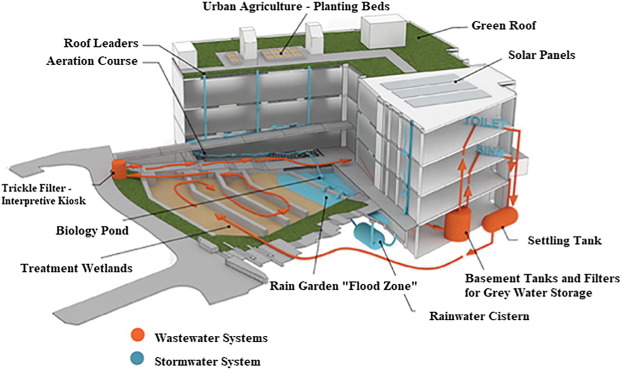
1. Rainwater Harvesting Systems

Rainwater harvesting is one of the most effective methods for reducing water demand in buildings. This system collects and stores rainwater from rooftops and other surfaces, which can be reused for non-potable applications such as irrigation, toilet flushing, or even cooling systems in commercial buildings. This reduces the need for potable water, conserving local supplies and reducing runoff.

Rainwater harvesting systems are becoming more common in sustainable architecture because of their cost-effectiveness and environmental benefits. These systems can be incorporated into both residential and commercial buildings, making them versatile and accessible.


2. Greywater Recycling

Another key innovation in water-efficient architecture is greywater recycling. Greywater refers to wastewater generated from sources like sinks, showers, and washing machines—basically, water that isn’t heavily contaminated and can be treated and reused for non-potable purposes. Instead of sending this water down the drain, greywater recycling systems treat it and reuse it for things like landscape irrigation and toilet flushing.

This reduces the demand for fresh water, while also cutting down on the volume of wastewater that needs to be treated by municipal facilities. In buildings where water consumption is high, such as hotels, offices, or apartment complexes, greywater systems can significantly lower water usage, contributing to a sustainable design.


3. Low-Flow Fixtures

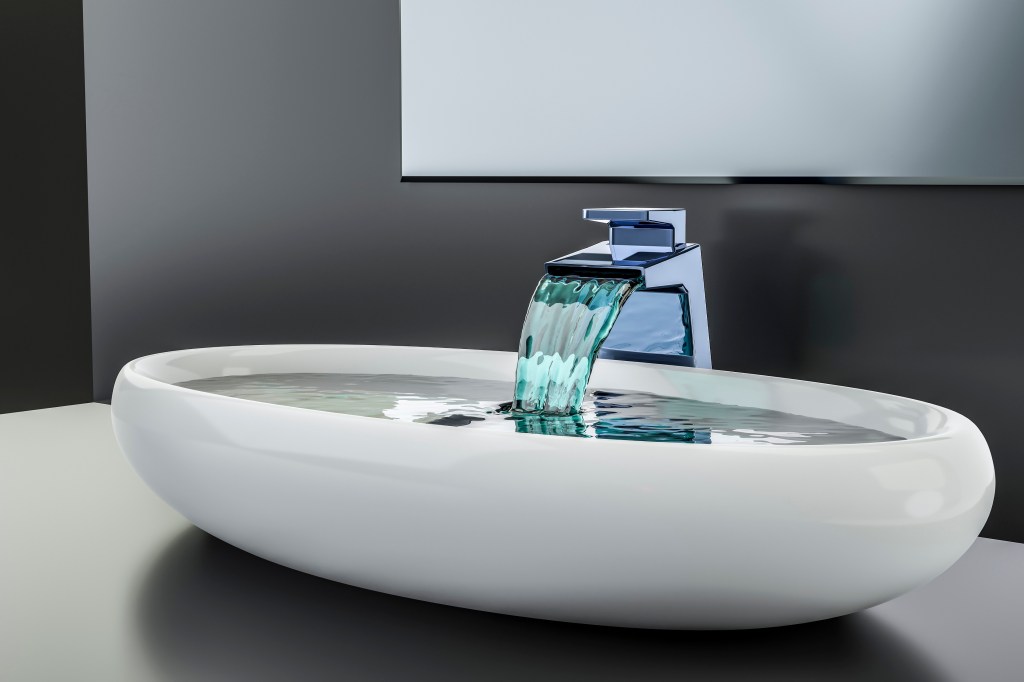
Low-flow fixtures have become a standard feature in eco-friendly architecture. These fixtures—such as low-flow faucets, showerheads, and toilets—are designed to use significantly less water than traditional models. By installing these in homes and commercial buildings, water consumption can be reduced by up to 30%.

Water flowing in the basin 3d illustration

Low-flow toilets, for example, use about 1.28 gallons per flush, compared to older models that use around 3.5 gallons. Similarly, low-flow showerheads reduce water flow from the standard 2.5 gallons per minute to about 1.5 gallons, providing an easy way to conserve water without compromising functionality or comfort. The use of low-flow fixtures is a simple, yet highly effective method for reducing water consumption and promoting sustainability in architecture.


Designing for Water Efficiency: Best Practices

Incorporating water-efficient technologies into building designs involves more than just choosing the right fixtures or systems. Architects and developers must take a holistic approach, integrating multiple water-saving strategies to achieve the greatest impact. Below are some best practices for designing water-efficient buildings:

  • Smart Landscaping (Xeriscaping): Choose drought-tolerant plants and efficient irrigation systems to reduce the need for water in landscaping. Incorporating rain gardens and permeable surfaces can also help manage stormwater and reduce runoff.
  • Efficient Irrigation Systems: Drip irrigation and automated irrigation systems equipped with sensors that measure soil moisture can help reduce water waste in outdoor spaces. These systems ensure that plants receive only the water they need, preventing over-irrigation.
  • Dual-Plumbing Systems: Incorporating dual plumbing allows buildings to separate potable water from greywater, making it easier to recycle and reuse water where appropriate.
  • Water-Efficient Appliances: In addition to low-flow fixtures, installing water-efficient appliances like dishwashers and washing machines that use less water per cycle can further reduce water consumption.
  • Water Audits and Monitoring: Installing smart water meters and conducting regular water audits help to track water usage and identify areas where improvements can be made.

Benefits of Water-Efficient Design

Incorporating water efficiency into architectural design brings numerous benefits, both for the environment and for building occupants. Here are some key advantages:

  • Reduced Water Bills: By minimizing water consumption, building owners can significantly reduce utility costs. Over time, the savings from water-efficient systems can outweigh their initial installation costs, making these investments cost-effective.
  • Environmental Conservation: Reducing the demand for freshwater helps conserve local water sources, ensuring that they remain available for future generations. This is especially important in drought-prone regions where water scarcity is a growing concern.
  • Energy Savings: Efficient water use also translates into energy savings, as less energy is required to pump, treat, and distribute water. This reduces the overall carbon footprint of a building, contributing to sustainable development goals.
  • Enhanced Building Value: Buildings with water-efficient systems are more attractive to environmentally conscious buyers and tenants, potentially increasing property value and marketability.

The Future of Water Efficiency in Architecture

As water scarcity becomes an increasing concern in many parts of the world, water-efficient architecture is no longer an option; it’s a necessity. The future of sustainable building will require architects, developers, and urban planners to prioritize water efficiency from the initial design phase, integrating cutting-edge technologies that minimize water use without compromising functionality or comfort.

Moreover, as governments continue to introduce stricter regulations and incentives around water conservation, buildings that incorporate water-efficient designs will be better positioned to meet evolving standards and gain certifications like LEED (Leadership in Energy and Environmental Design).


Conclusion

Water efficiency is a critical component of sustainable architecture. By integrating systems like rainwater harvesting, greywater recycling, and low-flow fixtures into building designs, architects can significantly reduce water consumption and promote long-term sustainability. These innovations not only conserve vital water resources but also contribute to energy savings, lower operational costs, and enhance the overall value of a building.

As the planet faces increasing pressure from climate change and population growth, water-efficient architecture will play a crucial role in shaping the future of sustainable urban development. The question is no longer whether we can afford to implement these technologies, but whether we can afford not to.

#WaterEfficiency #SustainableArchitecture #RainwaterHarvesting #GreywaterRecycling #LowFlowFixtures #EcoFriendlyDesign #GreenBuilding #WaterConservation #LEED #SustainableDesign

Carbon-Negative Concrete: Paving the Way to Net-Zero Construction

The construction industry is one of the largest contributors to global carbon emissions, largely due to the extensive use of traditional concrete. This material, a staple in modern construction, accounts for about 8% of the world’s CO2 emissions. As the world races towards reducing its carbon footprint and achieving net-zero carbon emissions, a groundbreaking innovation is gaining momentum: carbon-negative concrete.

Unlike conventional concrete, which emits carbon dioxide during its production, carbon-negative concrete has the ability to absorb CO2 from the atmosphere, turning the construction sector from a major polluter to a contributor to climate solutions. This article explores the potential of carbon-negative concrete to revolutionize sustainable construction, how it works, and its role in helping the industry achieve net-zero goals.


What is Carbon-Negative Concrete?

Carbon-negative concrete is a new generation of concrete materials designed to have a negative carbon footprint. This means that instead of releasing carbon dioxide (CO2) during production, it absorbs more CO2 over its lifespan than it emits, effectively removing carbon from the atmosphere.

Traditional concrete production involves heating limestone at high temperatures, which releases significant amounts of CO2. In contrast, carbon-negative concrete is made with alternative low-carbon materials, such as industrial by-products (e.g., fly ash and slag) or innovative cement substitutes that have the ability to absorb CO2. Some formulations also incorporate natural processes like mineral carbonation, which locks CO2 into the material over time.


How Carbon-Negative Concrete Works

The key to carbon-negative concrete lies in its ability to capture and sequester carbon. Various technologies and approaches are used to achieve this:

1. CO2 Curing

One of the most common methods involves injecting CO2 into freshly mixed concrete during the curing process. This is known as CO2 curing. During this process, the CO2 reacts with calcium hydroxide in the concrete, forming calcium carbonate. This reaction not only strengthens the concrete but also permanently stores CO2 within the material. By absorbing more CO2 than is emitted during its production, the concrete becomes carbon-negative.

2. Carbon-Absorbing Aggregates

Another approach involves using aggregates that can absorb CO2. For instance, aggregates made from industrial by-products like steel slag or certain types of recycled concrete can capture CO2 from the atmosphere. These aggregates are combined with cement or other binding materials to form carbon-negative concrete.

3. Innovative Cement Alternatives

Companies are also developing new types of cement alternatives that generate minimal emissions during production. Materials like geopolymers, made from waste products, and biomass-based cement, which absorbs CO2 during the curing process, are leading the charge toward carbon-negative building materials.


The Role of Carbon-Negative Concrete in Net-Zero Construction

The construction industry is under immense pressure to reduce its carbon emissions and contribute to global efforts to combat climate change. Net-zero construction aims to ensure that the total amount of greenhouse gases produced by the construction and operation of buildings is reduced to as close to zero as possible, with any remaining emissions offset by removing CO2 from the atmosphere.

Carbon-negative concrete offers a path to achieving this goal by addressing the industry’s largest source of emissions: the production of traditional concrete. Its ability to absorb CO2 during its lifecycle directly reduces the overall carbon impact of buildings, infrastructure, and other construction projects.

1. Reducing Carbon Emissions in Construction

The use of carbon-negative concrete in new construction projects can significantly lower the embodied carbon—the total CO2 emissions associated with building materials—from the production phase. By replacing traditional concrete with carbon-negative alternatives, the industry can reduce emissions during the construction phase, bringing net-zero construction closer to reality.

2. Offsetting Operational Emissions

Buildings are not just responsible for emissions during construction; they continue to emit CO2 during their operational phase through energy consumption for heating, cooling, and lighting. Carbon-negative concrete offers a solution by sequestering CO2 over the lifespan of the building. This can help offset some of the carbon emissions generated during the building’s operation, contributing to a net-zero carbon balance.

3. Contributing to Sustainable Infrastructure

Carbon-negative concrete isn’t limited to buildings. It can also be used in sustainable infrastructure projects, such as roads, bridges, and public transportation systems. Infrastructure built with carbon-negative concrete helps cities and communities reduce their overall carbon footprints while promoting environmentally friendly urban development.


Benefits of Carbon-Negative Concrete

1. Significant CO2 Reduction

Carbon-negative concrete offers one of the most effective solutions for reducing the construction industry’s carbon footprint. By absorbing CO2, it helps reverse the environmental impact of traditional concrete production.

2. Improved Durability

The mineral carbonation process that sequesters CO2 in carbon-negative concrete also increases the material’s strength and durability. This leads to longer-lasting buildings and infrastructure with lower maintenance costs.

3. Energy Efficiency

Using carbon-negative concrete can contribute to the energy efficiency of buildings by improving insulation and thermal performance. This reduces energy consumption during the building’s lifecycle, further cutting down on carbon emissions.

4. Circular Economy Opportunities

Carbon-negative concrete promotes a circular economy in construction by utilizing industrial waste products and recycled materials. This reduces the need for virgin raw materials and minimizes construction waste.


Challenges in Widespread Adoption

While the benefits of carbon-negative concrete are clear, several challenges remain in scaling up its use:

  • Cost: The production of carbon-negative concrete can be more expensive than traditional concrete due to the use of innovative technologies and materials. However, as demand grows and technologies advance, costs are expected to decrease.
  • Regulatory Barriers: Building codes and standards may need to evolve to accommodate new materials like carbon-negative concrete, which may not be covered under existing regulations.
  • Supply Chain Issues: The availability of low-carbon materials and carbon-sequestering technologies can vary regionally, making widespread adoption more difficult in some areas.

The Future of Carbon-Negative Concrete

As the world strives to meet ambitious climate goals, the construction industry must play a pivotal role in reducing greenhouse gas emissions. Carbon-negative concrete is set to revolutionize the way buildings and infrastructure are designed, constructed, and maintained, paving the way for a future where net-zero construction is the norm.

Continued research and investment in carbon-sequestering technologies will be essential to bringing carbon-negative concrete to the mainstream. As the material becomes more widely available and cost-effective, it will offer a viable solution for architects, builders, and developers looking to create sustainable, low-carbon buildings.

By adopting carbon-negative concrete on a larger scale, the construction industry can significantly reduce its environmental impact and take a major step toward achieving net-zero emissions.


Conclusion

Carbon-negative concrete represents a groundbreaking shift in the construction industry’s approach to sustainability. By absorbing CO2 rather than emitting it, this innovative material has the potential to drastically reduce the sector’s carbon footprint. As we move toward a future defined by net-zero construction, carbon-negative concrete will play an essential role in creating environmentally friendly buildings and infrastructure.

With its combination of sustainability, durability, and carbon-sequestration capabilities, carbon-negative concrete is not just a solution for today but a critical step toward a greener, more sustainable future.

Hashtags: #SustainableConstruction #CarbonNegativeConcrete #NetZero #GreenBuilding #EcoFriendlyMaterials #CarbonSequestration

Biodegradable Building Materials: A Step Towards Circular Architecture

The construction industry has long been criticized for its environmental impact, from excessive material waste to high carbon emissions. However, recent innovations in biodegradable building materials are paving the way for a more sustainable future. These materials, which include mycelium, bamboo, and hempcrete, are not only eco-friendly but also offer aesthetically pleasing and functional solutions for modern architecture. By integrating biodegradable materials into construction, architects can contribute to circular architecture, a concept that emphasizes sustainability, reusability, and minimal waste.


What is Circular Architecture?

Circular architecture is a design approach focused on reducing waste and reusing materials throughout a building’s lifecycle. In contrast to traditional construction methods that follow a linear path—extract, build, use, and dispose—circular architecture emphasizes a closed-loop system. Materials are chosen for their ability to be recycled, repurposed, or biodegraded at the end of their life cycle, reducing the environmental footprint.

Biodegradable building materials are at the core of this approach, as they decompose naturally without harming the environment. Let’s explore some of the most innovative materials driving this shift towards sustainability.


1. Mycelium: The Living Building Material

Mycelium, the root structure of fungi, is quickly gaining attention as a revolutionary building material. It grows by feeding on organic matter, and once harvested, it can be molded into various forms. Mycelium is lightweight, durable, and has impressive insulating properties, making it ideal for insulation panels, bricks, and even furniture.

One of the standout benefits of mycelium is that it’s 100% biodegradable. Once a building made from mycelium reaches the end of its lifespan, the material can naturally decompose without leaving behind harmful residues. Mycelium can also be grown with minimal resources, contributing to its sustainability.

In addition to its environmental benefits, mycelium adds a unique, organic aesthetic to architectural designs. It brings an earthy, natural feel to interior and exterior surfaces, aligning with the growing trend of biophilic design, which focuses on connecting occupants with nature.


2. Bamboo: The Renewable Building Staple

Bamboo has been used for centuries in construction, particularly in Asia, due to its fast growth and high strength. Unlike traditional timber, bamboo regenerates quickly, making it one of the most renewable resources in architecture. It can grow up to 3 feet per day and reaches maturity in just 3-5 years.

Architects are increasingly turning to bamboo for its versatility and aesthetic appeal. It can be used for structural components, flooring, walls, and even scaffolding. Bamboo’s natural strength rivals steel in tensile strength, and its flexibility makes it resistant to earthquakes, which is a significant advantage in areas prone to seismic activity.

Moreover, bamboo is biodegradable, meaning it can decompose naturally once its lifecycle is complete. This makes it a perfect candidate for circular architecture. While bamboo has traditionally been used in rural or tropical settings, it is now being integrated into modern designs worldwide, offering a stylish and sustainable alternative to conventional materials.


3. Hempcrete: The Carbon-Negative Marvel

Hempcrete, made from hemp fibers mixed with lime, is another biodegradable material making waves in sustainable architecture. Unlike traditional concrete, which has a high carbon footprint, hempcrete is carbon-negative, meaning it absorbs more CO2 than it emits during its production. This property makes it a powerful tool in the fight against climate change.

Hempcrete is lightweight, fire-resistant, and offers excellent insulation, making it an ideal material for energy-efficient homes. Its porous nature also allows it to “breathe,” regulating humidity levels and improving indoor air quality.

As a biodegradable material, hempcrete breaks down naturally at the end of its life, further reducing waste. It’s an excellent example of how circular architecture can benefit both the environment and building performance. Although hempcrete is still not as widely used as traditional concrete, its growing popularity suggests that it may soon become a staple in sustainable building practices.


Key Benefits of Biodegradable Building Materials

1. Waste Reduction

One of the most significant advantages of biodegradable materials is their ability to reduce construction waste. Since these materials decompose naturally, they help minimize the environmental impact associated with traditional building waste.

2. Lower Carbon Footprint

Many biodegradable materials, like hempcrete, absorb carbon dioxide during their production, resulting in a lower overall carbon footprint. This feature helps mitigate the environmental damage caused by conventional construction practices.

3. Healthier Indoor Environments

Biodegradable materials often contribute to healthier living spaces. For instance, mycelium and hempcrete provide natural insulation, which can regulate temperature and humidity, promoting better indoor air quality and reducing energy consumption.

4. Aesthetic and Design Flexibility

These materials offer unique visual characteristics that allow architects to experiment with organic designs. Biodegradable materials can give buildings a natural look while aligning with biophilic and sustainable design principles.

5. Sustainable Sourcing

Many biodegradable materials, like bamboo and hemp, are rapidly renewable and can be harvested sustainably. This ensures that sourcing these materials has a minimal ecological impact compared to traditional materials like concrete and steel.


Challenges in Adopting Biodegradable Materials

While the benefits of biodegradable building materials are clear, their widespread adoption faces several challenges. For example, the production processes and supply chains for materials like mycelium and hempcrete are still in their early stages and may not be as readily available as traditional materials.

In addition, current building codes in many countries need to evolve to accommodate these innovative materials. These challenges, however, are likely to diminish as awareness of sustainable building practices grows and demand for eco-friendly materials increases.


The Future of Biodegradable Materials in Circular Architecture

As the global focus on sustainability and reducing carbon footprints intensifies, biodegradable materials are expected to play a more prominent role in construction. Innovations in material science and the growing trend of circular architecture suggest that biodegradable materials will become more mainstream in the coming years.

The combination of environmental sustainability, cost-effectiveness, and design flexibility makes biodegradable materials a viable solution for both residential and commercial buildings. As the industry continues to explore ways to reduce waste and carbon emissions, biodegradable materials will be at the forefront of this movement toward a more sustainable future.


Conclusion

Biodegradable building materials represent a critical shift in how architects and builders approach construction. By utilizing materials such as mycelium, bamboo, and hempcrete, the industry can significantly reduce its environmental footprint and contribute to a circular, sustainable future. These materials offer the dual benefit of being both eco-friendly and functional, making them a cornerstone of the evolving world of circular architecture.

Incorporating biodegradable materials into construction practices is not just a trend but a necessary step toward a greener, more sustainable future.

#BiodegradableMaterials #SustainableArchitecture #EcoBuilding #CircularDesign #GreenConstruction