The study of metal cladding is significant because this method of corrosion protection and wear protection is generally very reliable and cost-effective.
Metal cladding is a type of protective coating, where the protective material such as metal powder or foil is bonded to a substrate by applying heat and/or pressure.
Why Metal Cladding is Significant?
The cladding protects from changes in temperature, wind, water absorption, sunlight and pollution –all of which can damage the structural integrity of a building and its aesthetics.
Metal cladding is very resistant to harsh weather conditions so can simply be cleaned to retain its good aesthetics.
Thickness of Metal Cladding
Gauge refers to the thickness of the metal panel and is represented in number form. Most metal roof and metal siding panels on the market are between 20- 29 gauge, with 20-gauge being the thickest and 29-gauge being the thinnest panels sold.
Types of Metal Cladding
The five most commonly used metals for cladding are
- Aluminum
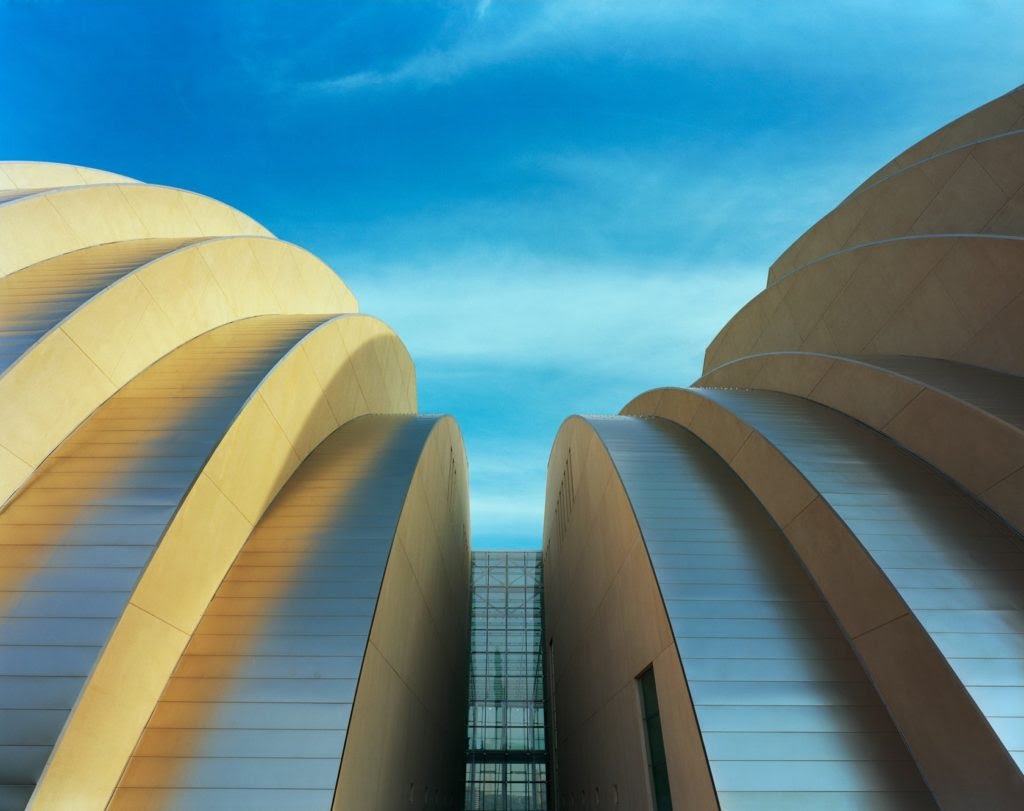
- Aluminium is a lightweight yet strong material for cladding a house. As a soft metal, it has high formability, but thickness is important for greater durability and a longer lifespan.
Aluminium is among the most waterproof of cladding materials and protects against moisture problems, which makes it a good choice for coastal homes. Aluminium cladding requires minimal maintenance and can be repainted easily if requiredZinc
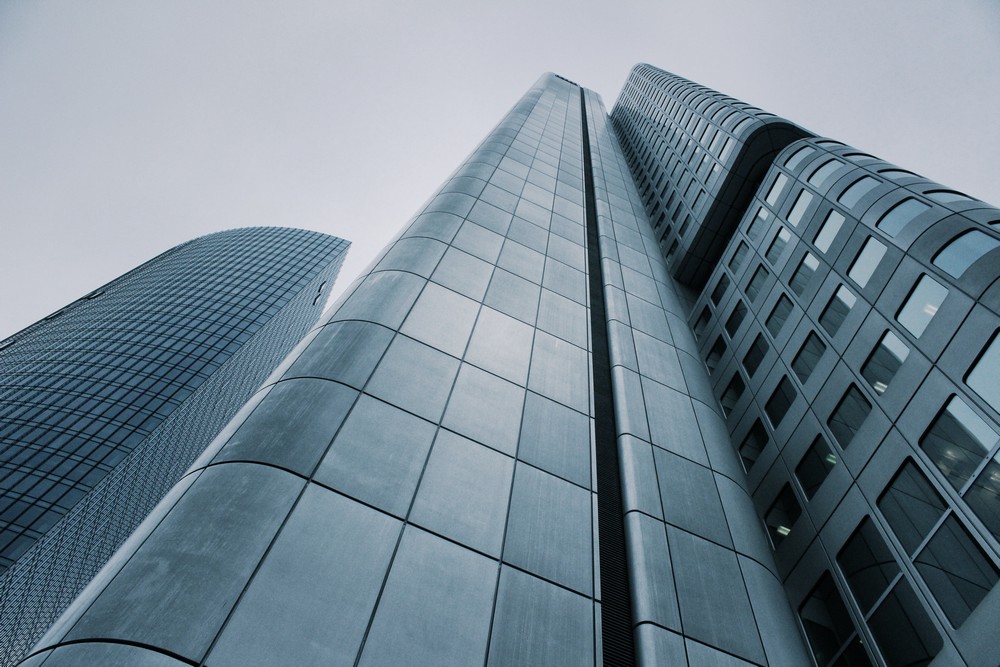
Aluminium is an abundant resource, however, it is non-renewable. On the sustainability upside though, it is reusable and recyclable and requires little energy to manufacture.
- Zinc
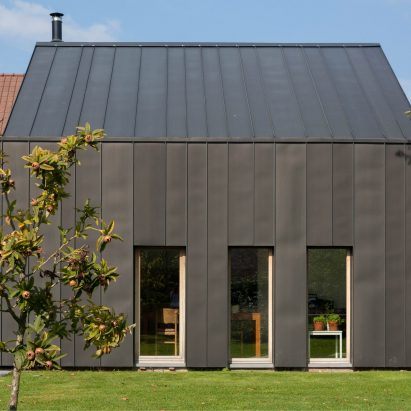
Zinc is highly versatile and an increasingly common sight in contemporary architecture. It is a soft and malleable material, which allows for flexible construction. Zinc is extremely durable and low maintenance, and its resistance to oxidisation – by forming a naturally protective layer, known as a patina – helps it achieve an average lifespan of approximately 60 to 80 years.
Zinc is also a sustainable choice, being a non-toxic, recycled and recyclable material. It also takes less energy to produce zinc than other principal metals.
- Copper
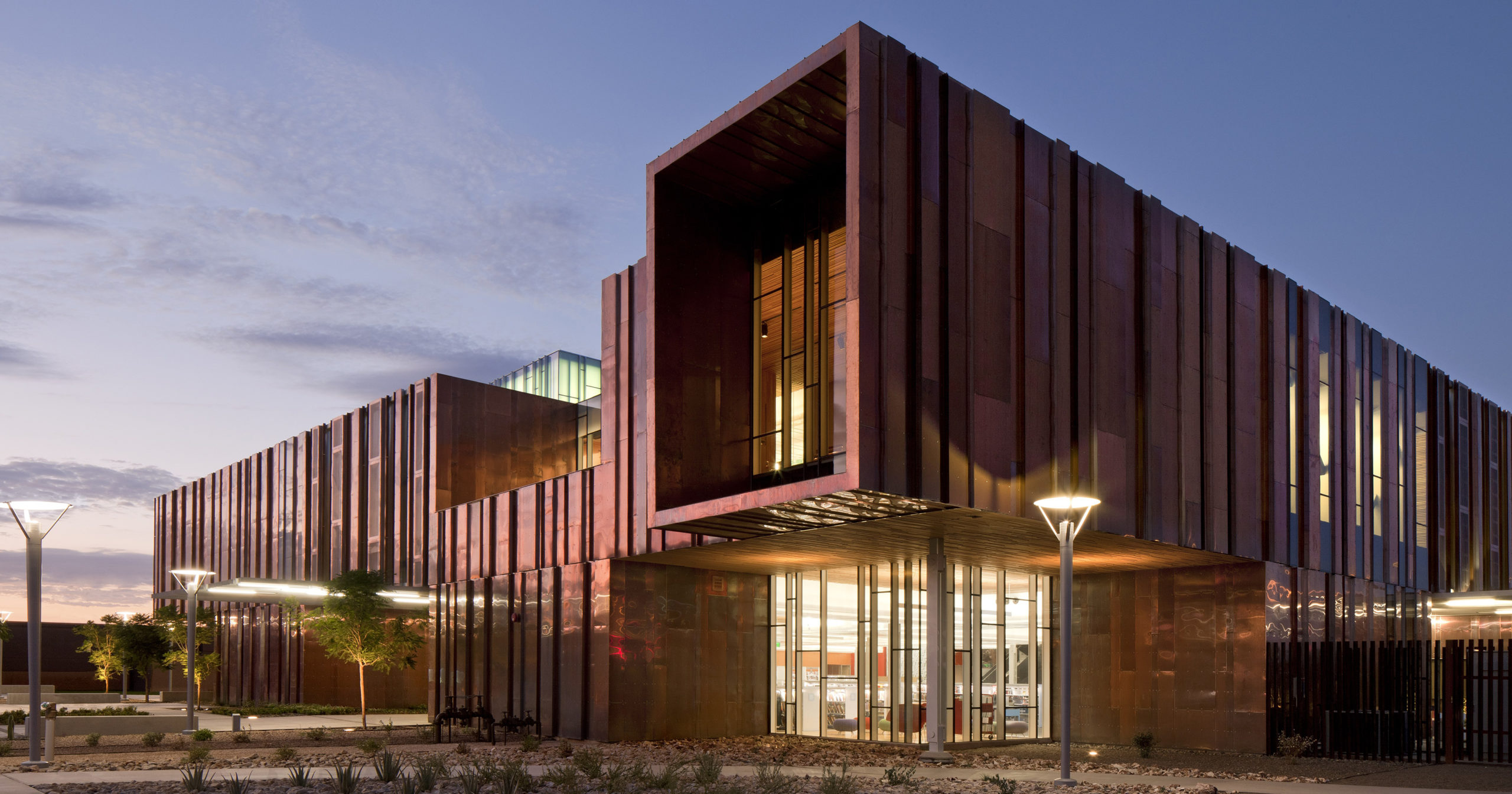

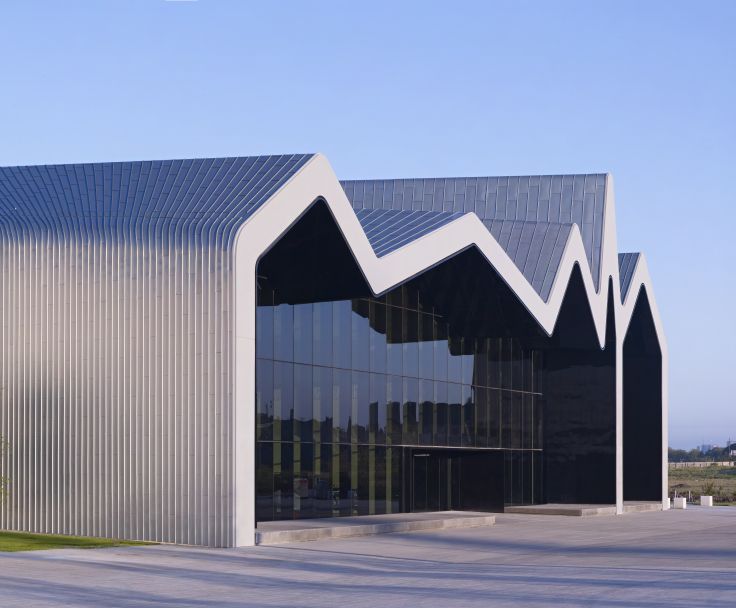
Copper is a timeless material that develops a beautiful patina and character with age, making it suitable for both traditional and contemporary homes. Copper’s warm bronze tones turn an iridescent brown through natural weathering, before developing a green patina.
Copper is lightweight and durable, which can be important on large buildings. It also has a very long lifecycle and needs no treatment or maintenance with wear and tear.
- Corrugated Steel

Corrugated steel is a lightweight, strong and durable material that weathers well. The wave-like pattern of corrugated steel has become a recognisable and timeless element in traditional and contemporary Australian architecture, having been used since the 1850s. Corrugated cladding adds depth and texture to a facade and is available in a variety of colours. It is also easy to maintain and long lasting.
- Corten Steel

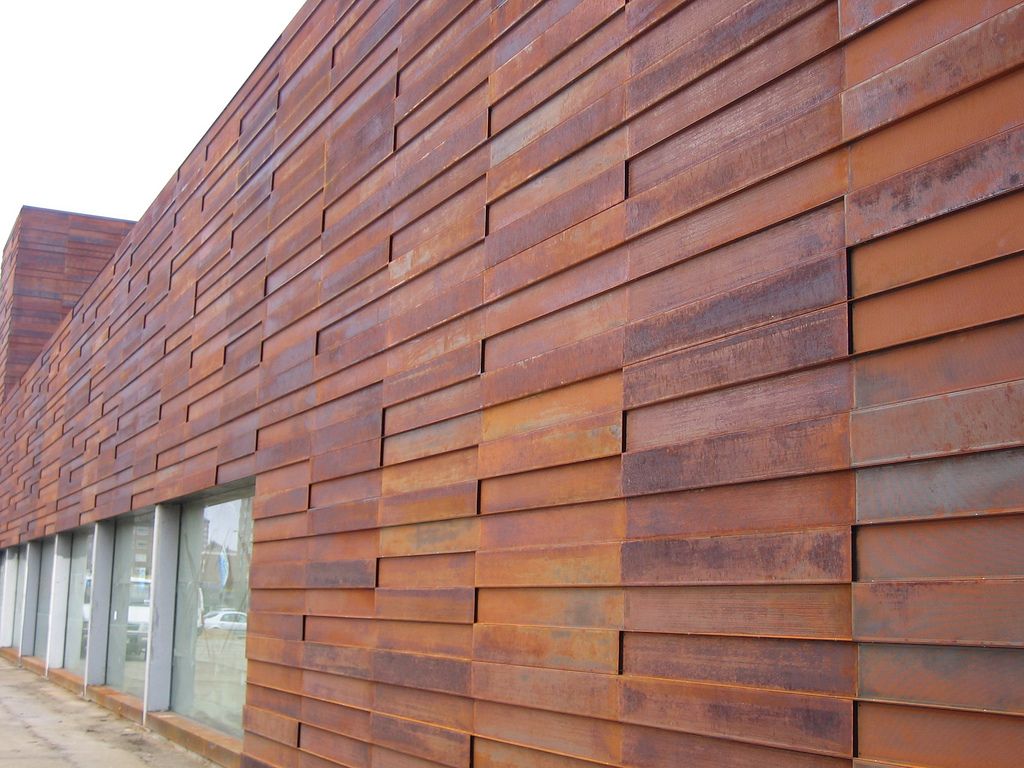
Corten is a weather-resistant steel (copper-chromium alloy steel) that is more resistant to atmospheric weathering than other unalloyed steels. Its chemical composition reacts to pollutants in the atmosphere and promotes the early formation of a protective oxide film, which constantly regenerates over time. This patina develops as a reddish-brown layer and gains a darker hue with time.
Despite the look of corrosion, Corten has twice the tensile strength of mild steel, making it an ideal structural material as well as being used for cladding and other architectural features
Cost of Metal Facades
Estimating the cost of metal facades and installing processes depends on the type of area; It also affects the prices according to several factors, for example, climate, metal facade brand, type of building and at least the level of experts who want to operate. So, do not wonder if you find some of the offices which take such services for different customers.
The metal facade texture depends on the main and basic materials that are used for producing the components or other related facing items. These items are the main examples of used metals for cladding:
All of the listed metals have their exclusive properties and suitable for a kind of building. Of course, the weather and climate of the appropriate area are effective too, for example, the stainless steel is the best choice to use for buildings which locate at rainy areas.
The installation method of each metal follows a special way itself. Copper and stainless steel are two expensive metal facade for such departments on the whole market. This kind of metal recommends for some special building with exclusive usage and appearance such as reception halls and hotels.
How is metal cladding installed?
Metal cladding is installed by attaching interlocking horizontal or vertical panels to the exterior sheathing of your house, or by wrapping the house frame in a sheet of metal. Aluminium cladding is easier to install than steel, because it’s lighter. This can sometimes save costs, but aluminium cladding is also easier to damage during installation.
Maintenance
One of the great advantages of metal cladding is that it requires little maintenance other than a yearly wash. While it was once prone to fading, the metal used for cladding is now generally coated with a tinted weatherproof topcoat that should last for many years. Steel is vulnerable to rust, so be certain to address any chips that occur in the finish, and install aluminium instead if you live in a coastal area.
If your cladding is dented it can be repaired, but repairs that involve patching holes are more challenging and generally need expert help. These types of repairs may also be difficult to disguise.
Conclusion
Installing the bold metal clad in a building and make them stronger against the external items and issues, especially, in some of the areas with unsteady weather and air conditions is the best idea and increases the building’s lifetime.
Besides the modern appearance they give to the buildings, they will increase the level of resistance and durable. So, modern architects try to design such plans for different buildings with dissimilar usages such as residential, recreational, commercial, and also official. Of course, bold metal clad is more suitable for some specific residential departments such as Villa which are often located out of the city.
What is Metal Facade support structures
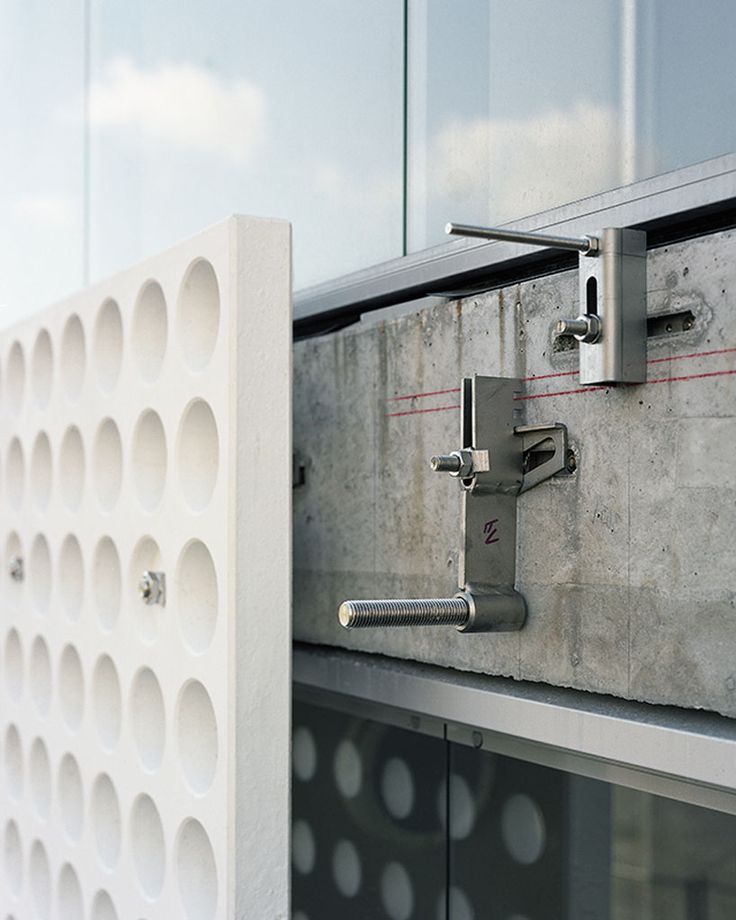
You surely have heard the name of metal facades that support structures as well! Due to their names, these materials support the main structure of the main facade, in the other hand, the cladding covers all the facade of the building to support the basic structure.
The metal façade panels have to install over the main facade of the buildings and play an important role in protecting it from weather changes and unstable air conditions. The structure of the metal facade contains a thin layer of insulate and some extra spaces that fill with a soft industrial material that protect the main facade; They do not allow any kind of damage. It mostly acts as a protector wall of the external spaces of the building.

Embellishing new faces of construction or refresh the whole existing building are two important purposes of metal cladding systems. Of course, recognizing to use the metal facades is the duty of an architect who is working on related project. He/she has to attend several factors to make the best decision:
- Architect has to save time
- Avoids delays during the working time
- Keeping under control costs at the project
- Ensuring about the appearance of the metal facade cladding
Choosing the most suitable color according to the type of department and the weather is another important factor that the architect has to pay attention.

 Design and Build Data