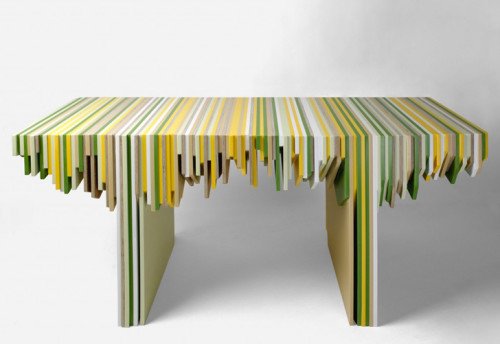
Manufacturers create sustainable furniture using materials that have a minimal negative impact on the environment. Sustainable furniture uses:
- Woods or other materials that come from renewable sources
- Minimal chemicals that can pollute the environment
- Local material and/or manufacturing to save on transportation
Why is green furniture a better choice?
Eco-friendly furniture causes less damage to the environment and makes your home environment safer. When you choose eco furniture made with minimal amounts of chemicals, you’ll get less harmful pollutants, like volatile organic compounds (VOCs), released into your home’s air.Paints, fabrics, furniture, carpets and building materials can all release VOCs that cause allergies, migraines and asthma in people. According to a report by the European Respiratory Review, “The possible health effects of indoor VOC exposure are a cause for concern, given that people in general, and children in particular, now spend most of their time indoors.”

What are the best sustainable furniture choices?
The use of sustainable materials is just a part of making sustainable furniture. It is also vital to use responsible manufacturing practices as they have an immense impact on the environment. As such, these practices must be safe for the environment. This indicates that manufacturers must be mindful of checking carbon emissions and ensuring the environment is not polluted. They should also practice fair trade and preserve sensitive environments.
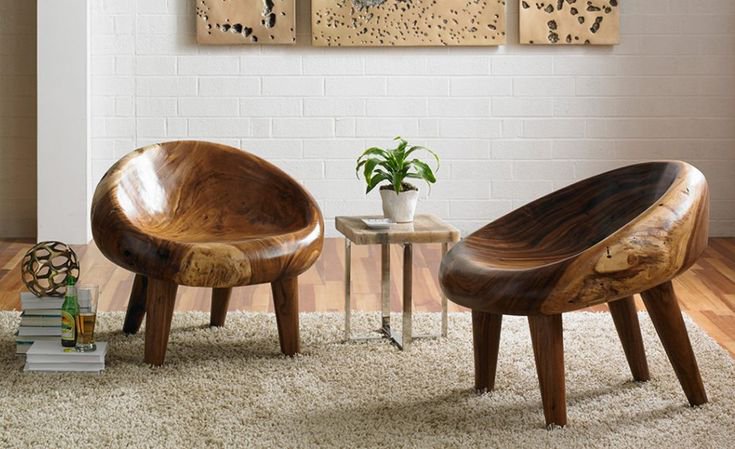
Upcycled Furniture
Whether you’re just following the sustainable and eco-friendly trend, or you want to create an efficient and green home from start to finish, you will want to pay attention to the sustainable furniture. The goal of this article is to explain why and gives you the options you need.
So what are the benefits of this type of furniture anyway?

- It’s made from eco-friendly materials.
- Furniture tends to be of higher quality.
- You show you care about your environment.
- Manufacturers avoid harmful materials and processes from choosing materials to delivery of the product.
- Sustainable means it’s durable and recyclable.
Without further ado, let’s explore all the types of sustainable furniture. We’ll leave it up to you to make the choice (there’s no way to go wrong), as well as give you some recommendations about where to find the furniture you like.
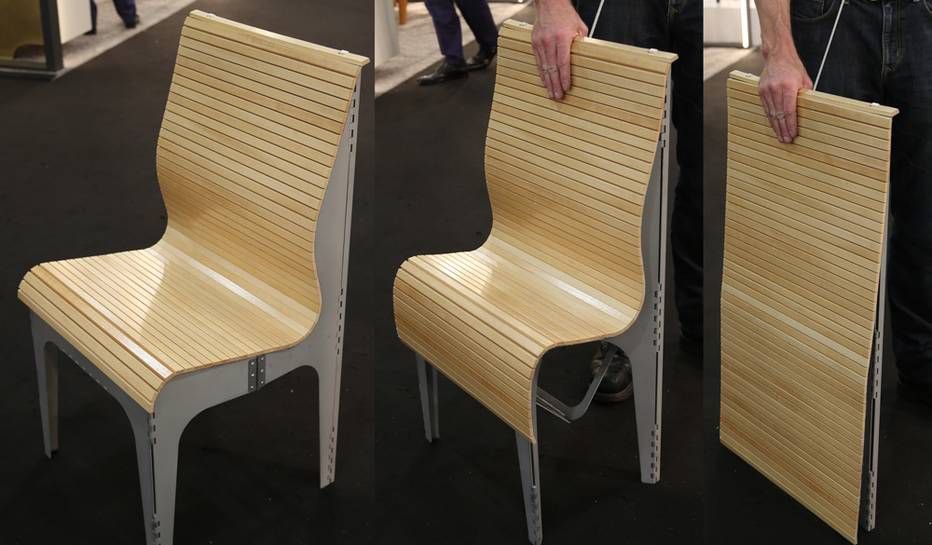
Typically, the materials used can be re-purposed or recycled. Previously-made pieces that are used to make new furniture can be referred to as sustainable. In addition, they have to be created from materials that can be easily renewed. For example, bamboo grows rapidly and can be very quickly replaced; therefore, it is considered a renewable resource.
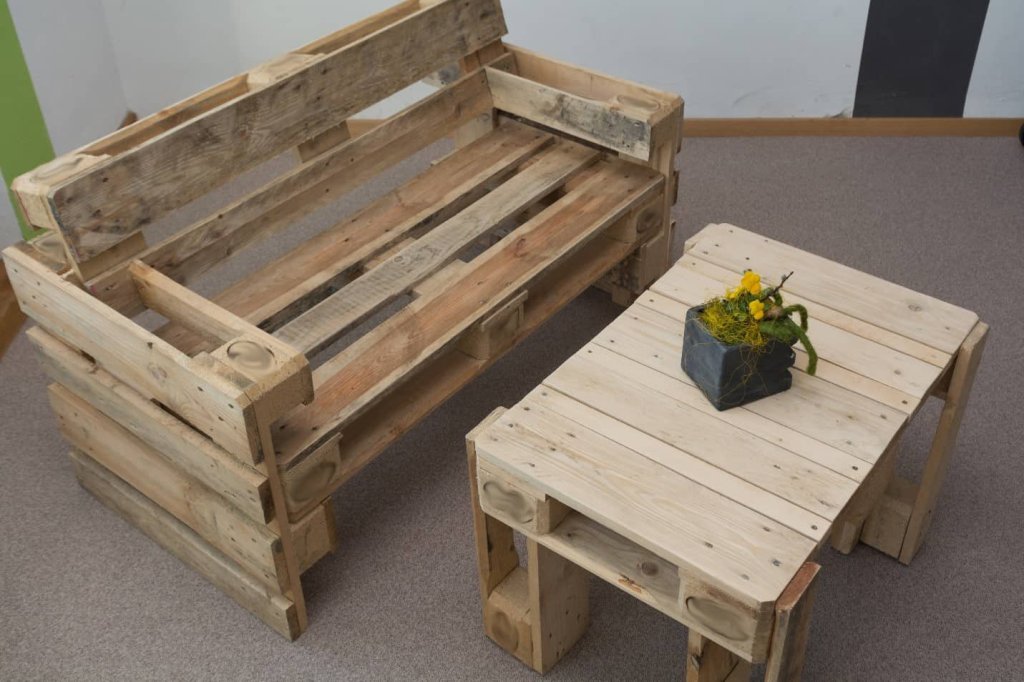
Additionally, furniture is considered sustainable when environmentally-safe materials are used to create them. The manufactures also use low VOC finishes that do not emit dangerous chemicals to contribute to the safety of the furniture in everyday use.
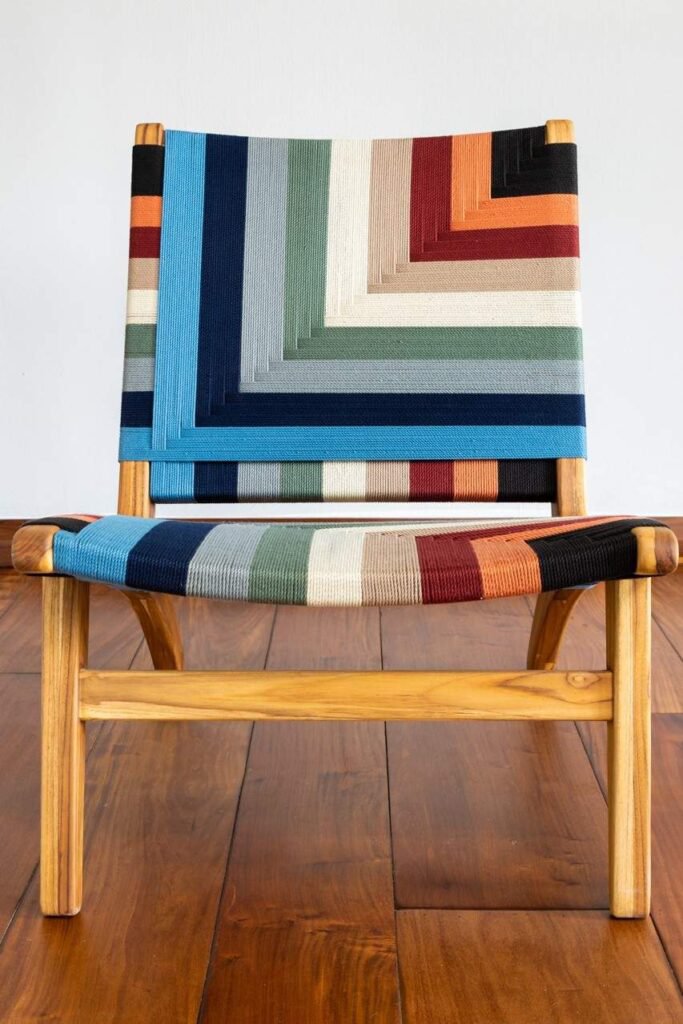
The use of sustainable materials is just a part of making sustainable furniture. It is also vital to use responsible manufacturing practices as they have an immense impact on the environment. As such, these practices must be safe for the environment. This indicates that manufacturers must be mindful of checking carbon emissions and ensuring the environment is not polluted. They should also practice fair trade and preserve sensitive environments.2of 10
Upcycled Furniture
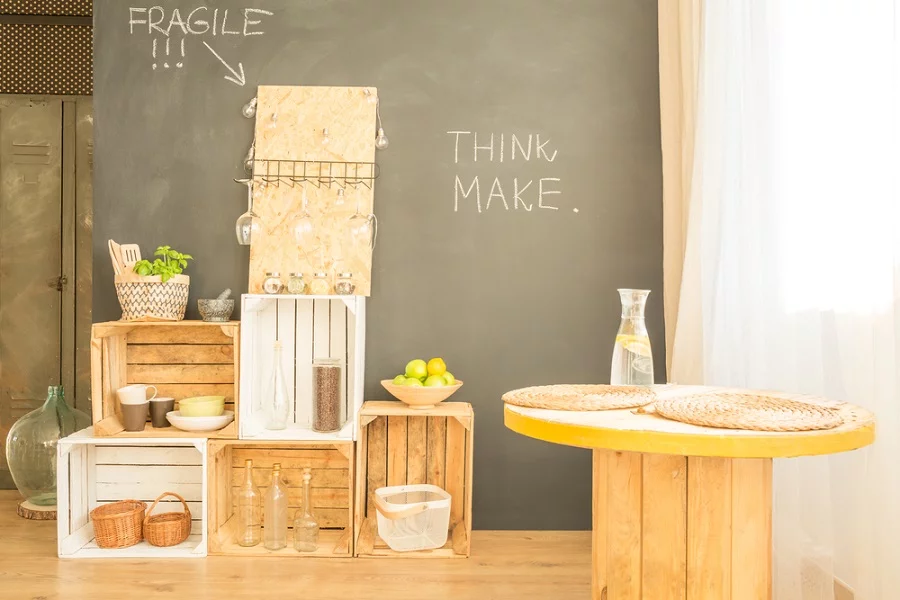
Upcycling is a technique that involves using discarded or old materials to create something reusable. The distinction between recycling and upcycling is simple. Recycling involves using consumer materials like glass, metal, paper, and plastic and breaking them down to make new consumer products that are typical of lower quality.
However, when an item is upcycled, the process does not involve breaking down any materials; the materials are simply refashioned. Furthermore, the quality produced from upcycled items has the same or even improved quality when compared with the original. This process is environmentally beneficial as it removes or saves materials from the landfills. It also encourages innovative thought processes and requires fewer resources than recycling.
Green Furniture Certifications
The best sustainable furniture choices are created from recycled items like salvaged wood, recycled textiles and reused materials like wood pallets. Additionally, natural materials like bamboo, rattan and seagrasses are excellent materials for furniture and home decor.Second-hand furniture and vintage pieces are also great green furniture choices. Pick vintage or antique pieces because they’re often handmade and built to last. Plus, their manufacturers often used fewer chemicals than modern manufacturers.

Carpet America Recovery Effort (CARE)
This partnership between industry and government increases carpet recycling and reuse to reduce the amount of old carpet going to landfills.
Cradle to Cradle (C2C)
C2C certified furniture can be dismantled to be repaired and recycled or so that parts can be replaced. This practice extends the life of the piece and makes a piece more sustainable because it keeps it out of a landfill.
Eco3Home
This hang tag certifies that the manufacturer was responsible in their sourcing and manufacturing and, additionally, that they can provide safety, health and environmental information for each registered product.
FSC (Forest Stewardship Council) Certification
FSC-certified furniture uses woods that are responsibly harvested and meet the requirements of the Forest Stewardship Council.
Green Housekeeping Seal of Approval
This seal is available for many categories like cleaning and beauty products, building materials, paints and coatings and appliances. In order to award approval, scientists and engineers evaluate a product’s packaging, ingredients, logistics and manufacturing.
Green Label Plus
Look for this tag to ensure that the carpet you are purchasing emits the lowest amount of chemicals on the market.
GREENGUARD Certified
Use this certification to find indoor goods like building materials and furnishings with low chemical emissions. It serves you and the environment because GREENGUARD certified goods do not affect air quality.
LEED (Leadership in Energy and Environmental Design) Certified
LEED promotes and awards certification for a whole-building approach to sustainability. To certify a building, LEED checks five categories: water savings, energy efficiency, sustainable site development, sustainable materials and good indoor air quality.
Low VOC
Check a product’s label. Look for low VOC because it means the product or finish is water-based or does not contain chemicals that can off-gas, or release into the air.
Rediscovered Wood Certification, Rainforest Alliance
This certification confirms that a piece of furniture actually uses reclaimed wood.
SBD (Sustainable by Design)

SBD gears their program towards furniture manufacturers to sustainably source and manufacture home furnishings.
Zero Waste to Landfill
This award goes to companies that send less than 1 percent of their waste to a landfill.
What’s next for sustainability?
No single industry can address the multiple issues involved with sustainability and the interdependencies that are part of this hugely complex system. It’s why collaboration between companies on a global scale is such an important goal.

However, we are seeing a shared agenda and awareness towards innovative solutions focused on minimising waste and toxicity, regenerating energy and natural resources, and an increasing collective awareness of our individual and business impact on the environment. For us, this is certainly a source of confidence and it’s helping shape our own sustainability goals – with strong partnerships and learning how best to meaningfully shape our future.

 Design and Build Data