The Future of Sustainable Architecture
In the quest for sustainable living, geothermal energy is rapidly emerging as a game-changer in architectural design. As the world moves towards greener building practices, the integration of this natural, renewable energy source is transforming how we think about the built environment. But what makes geothermal energy so compelling? Let’s delve into how it’s revolutionizing sustainable
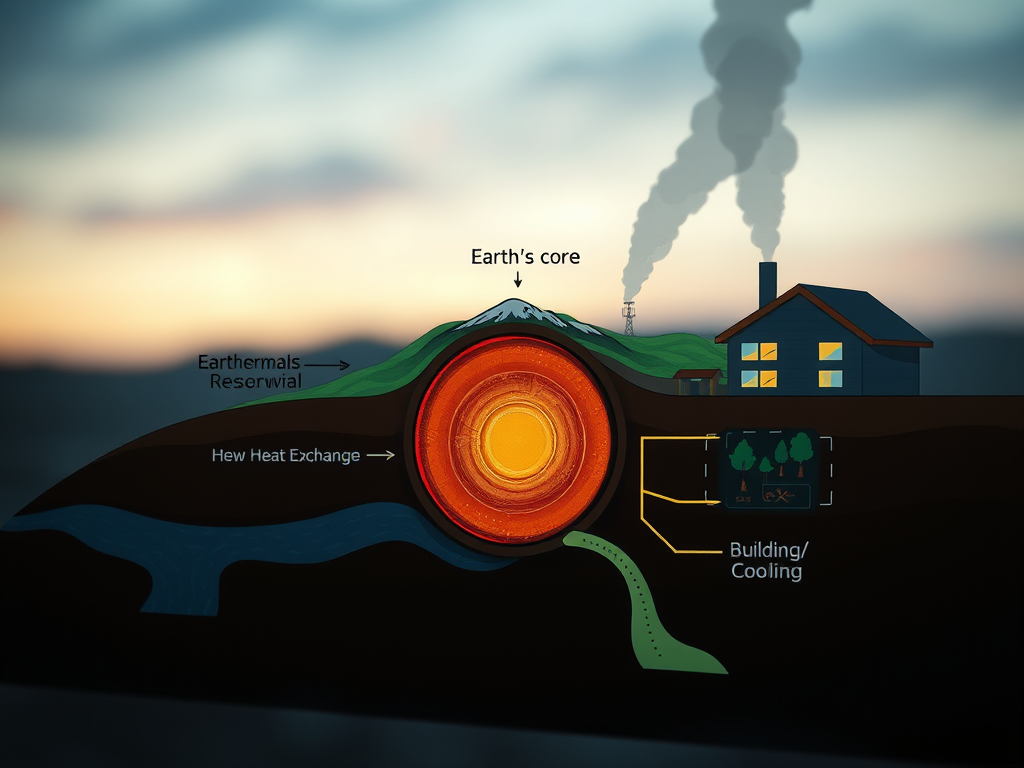
What is Geothermal Energy?
Geothermal energy is heat derived from the Earth’s core. This abundant, renewable resource is harnessed by tapping into underground reservoirs of hot water or steam, which can then be used for heating, cooling, and generating electricity. Unlike solar or wind energy, geothermal energy is consistent and available 24/7, making it a reliable option for sustainable buildings.
The Role of Geothermal Energy in Sustainable Architecture
The push for sustainable architecture is driven by the need to reduce our environmental impact. Geothermal energy is at the forefront of this movement, offering architects a powerful tool to design buildings that are not only energy-efficient but also environmentally friendly.
1. Heating and Cooling with Geothermal Energy
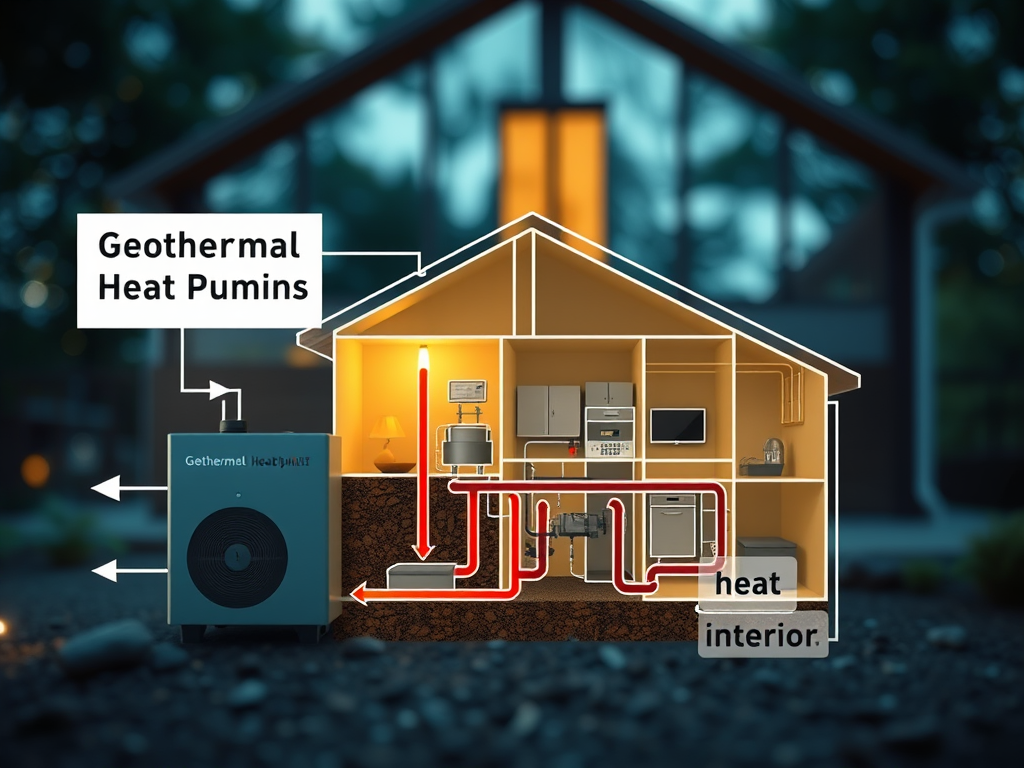
One of the most significant benefits of geothermal energy is its application in heating and cooling systems. Geothermal heat pumps (GHPs) leverage the stable temperatures beneath the Earth’s surface to efficiently heat buildings in the winter and cool them in the summer. These systems consume significantly less energy than traditional HVAC systems, reducing both carbon footprints and energy costs.
2. Lowering Carbon Emissions
Buildings are responsible for a large portion of global greenhouse gas emissions. By integrating geothermal systems, architects can drastically cut down on the use of fossil fuels. Geothermal energy produces minimal emissions, making it a critical component in reducing the carbon footprint of new and existing buildings.
3. Boosting Energy Efficiency
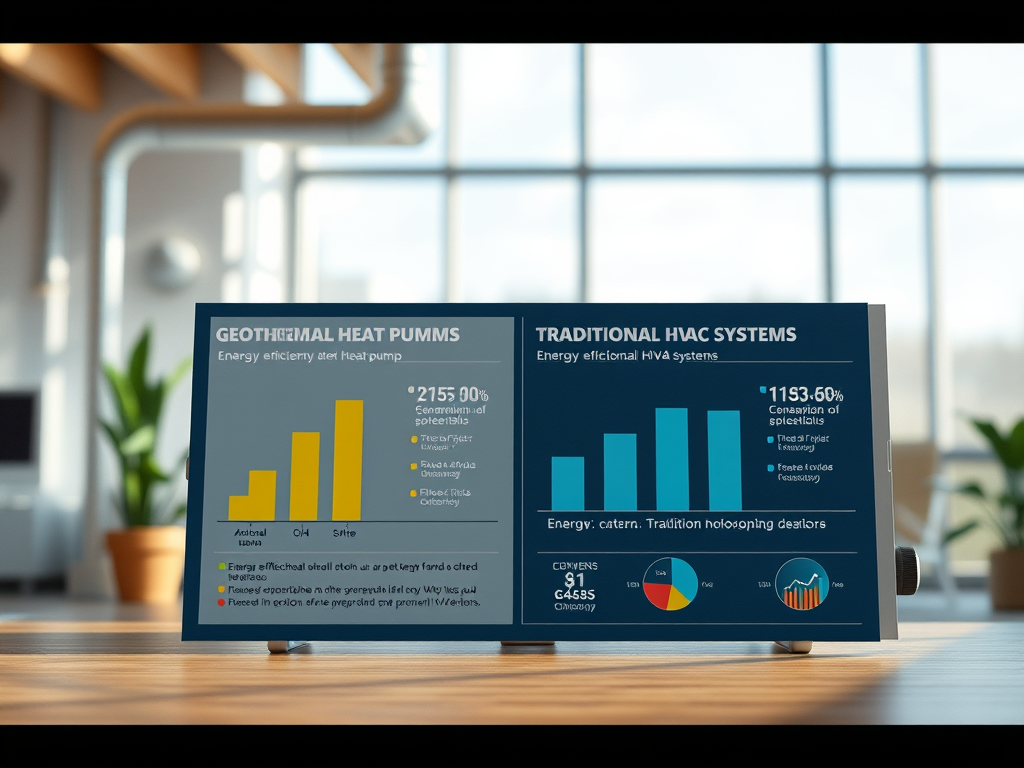
Geothermal systems are incredibly efficient, with the ability to generate three to six times more energy than they consume. This level of efficiency is unmatched by traditional energy sources and aligns perfectly with the goals of sustainable architecture, where energy conservation is paramount.
Integrating Geothermal Energy in Building Design
The successful integration of geothermal energy into architecture requires thoughtful design and planning. Here’s how architects can maximize the benefits of this sustainable energy source:
1. Strategic Site Selection
The potential for geothermal energy use depends heavily on the location. Architects must collaborate with geologists to assess the site’s geothermal viability, considering factors like soil composition, groundwater availability, and subsurface temperature gradients.
2. Design for Maximum Efficiency
To fully leverage geothermal energy, buildings should be designed with energy efficiency in mind. This includes optimizing insulation, minimizing energy loss through smart design, and incorporating passive solar strategies. The more efficient the building, the more effectively it can utilize geothermal systems.

3. Considering Cost vs. Long-term Savings
While the initial costs of geothermal systems can be higher than conventional systems, the long-term savings in energy bills and reduced maintenance costs are substantial. Additionally, many governments offer incentives for green building practices, which can help offset initial expenses.
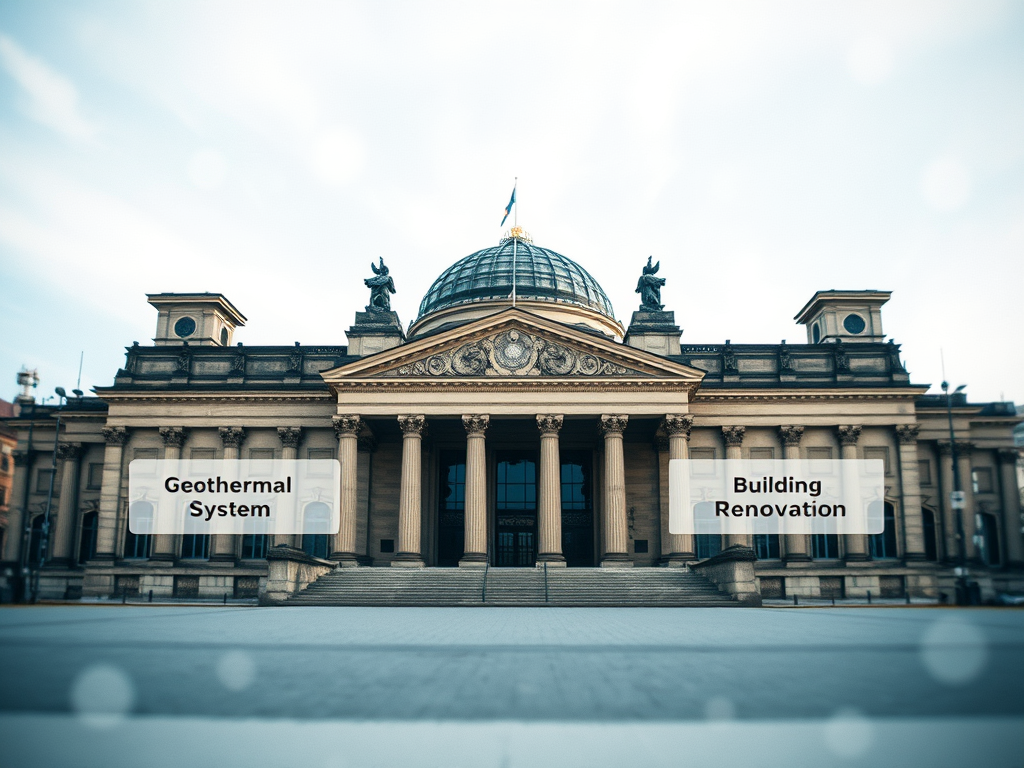
The Future of Geothermal Energy in Architecture
As the demand for sustainable architecture grows, so too will the adoption of geothermal energy. While there are challenges, such as high upfront costs and site-specific requirements, the benefits far outweigh these hurdles. With advancements in technology and increased awareness of environmental issues, geothermal energy is set to play a pivotal role in the future of building design.
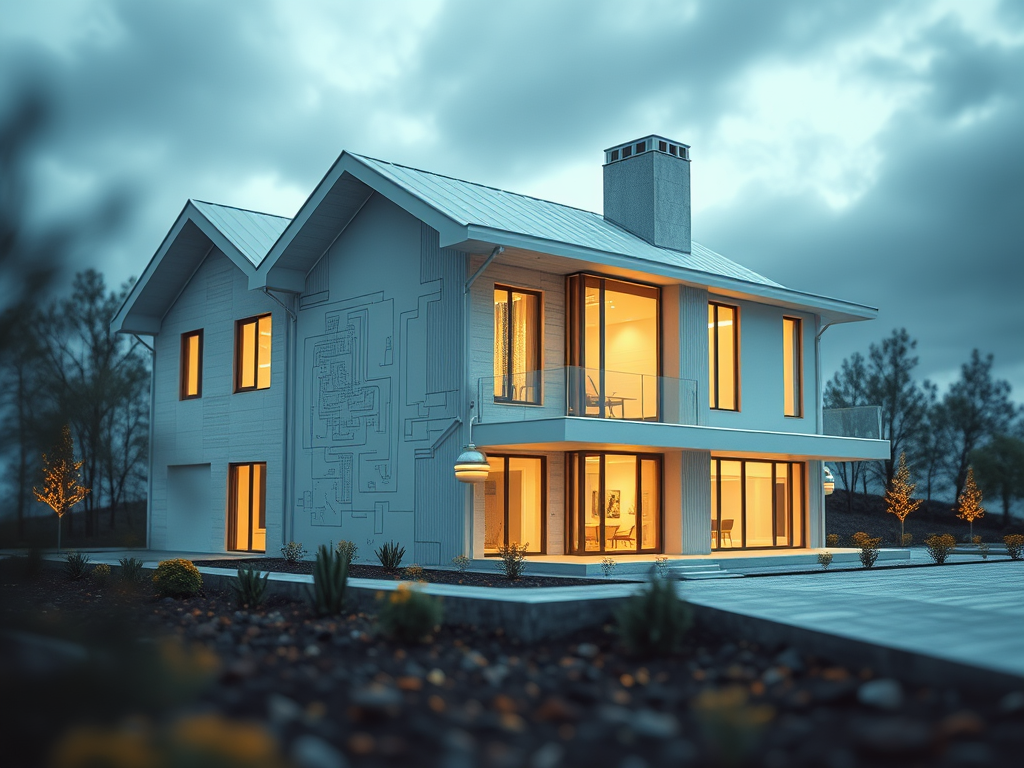
Conclusion: A Sustainable Path Forward
Geothermal energy offers a powerful solution for architects striving to create sustainable, energy-efficient buildings. By harnessing the Earth’s natural heat, we can reduce our reliance on fossil fuels, lower carbon emissions, and pave the way for a more sustainable future.
GeothermalEnergy #SustainableArchitecture #GreenBuilding #RenewableEnergy #EnergyEfficiency #EcoFriendlyDesign #ClimateAction #ArchitectsForChange #SustainableLiving #GeothermalTechnology #FutureOfArchitecture #GreenDesign

 Design and Build Data