How Recycled and Renewable Materials are Transforming Sustainable Architecture
The Problem with Traditional Building Materials
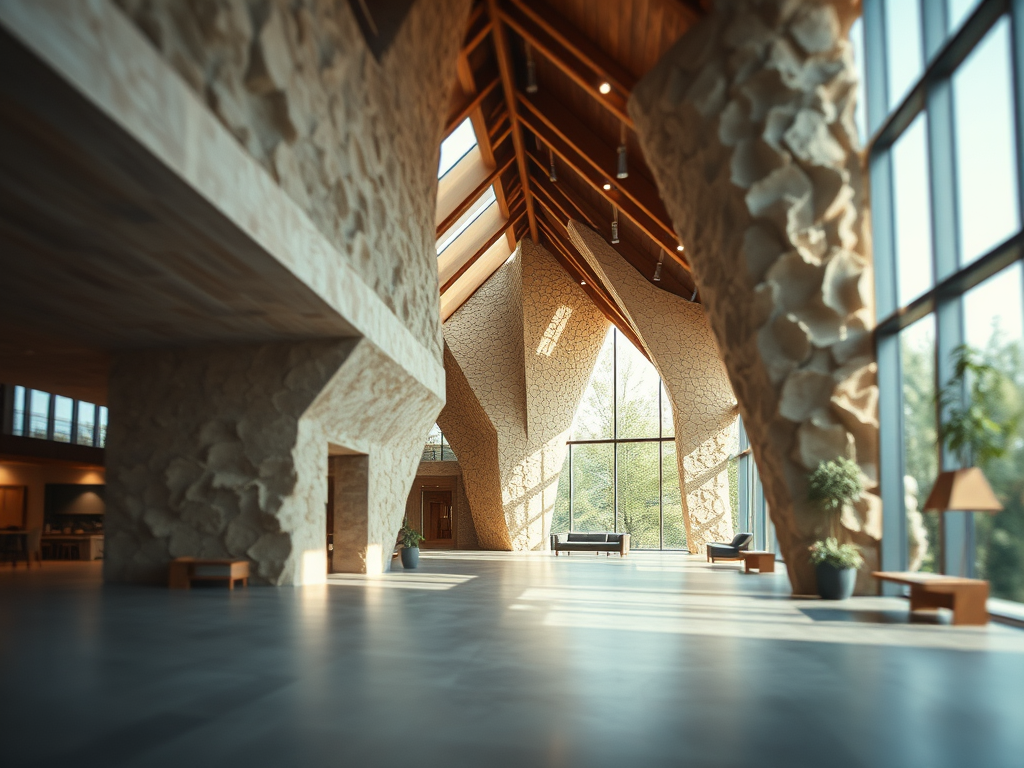
Traditional materials such as steel, concrete, and glass come with a high environmental cost. For example, concrete production alone accounts for 8% of global carbon emissions, making it one of the most polluting industries. Glass, while recyclable, often ends up in landfills when demolished buildings are not recycled properly.

By focusing on renewable materials, such as recycled glass, reclaimed wood, and upcycled plastics, architects are reshaping how we think about sustainable design. This new wave of building materials is helping address global environmental challenges while also offering a fresh take on creativity and design aesthetics.
Case Study: The Ecodom Project – Recycled Plastic Bricks
In Mexico, the Ecodom Project is pioneering the use of bricks made from recycled plastic. These innovative bricks are not only durable and lightweight but also cost-effective, offering a solution to housing shortages while reducing plastic waste. This approach showcases how discarded materials can be creatively repurposed, resulting in structures that are both sustainable and practical.
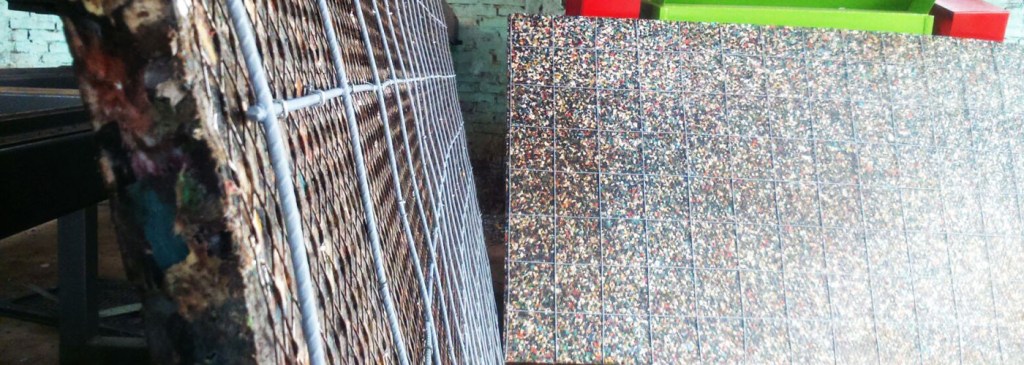
Ecodom’s plastic bricks use recycled high-density polyethylene (HDPE), a material commonly found in packaging. By incorporating this waste into their construction materials, the project addresses two pressing global issues: plastic pollution and affordable housing. The recycled plastic bricks can be customized in various sizes, making them a versatile material for eco-friendly architecture.
Timber: The Sustainable Alternative to Concrete and Steel
One of the most promising renewable materials being used today is mass timber. With its ability to store carbon and its renewable nature, timber is becoming an attractive alternative to steel and concrete in high-rise buildings.
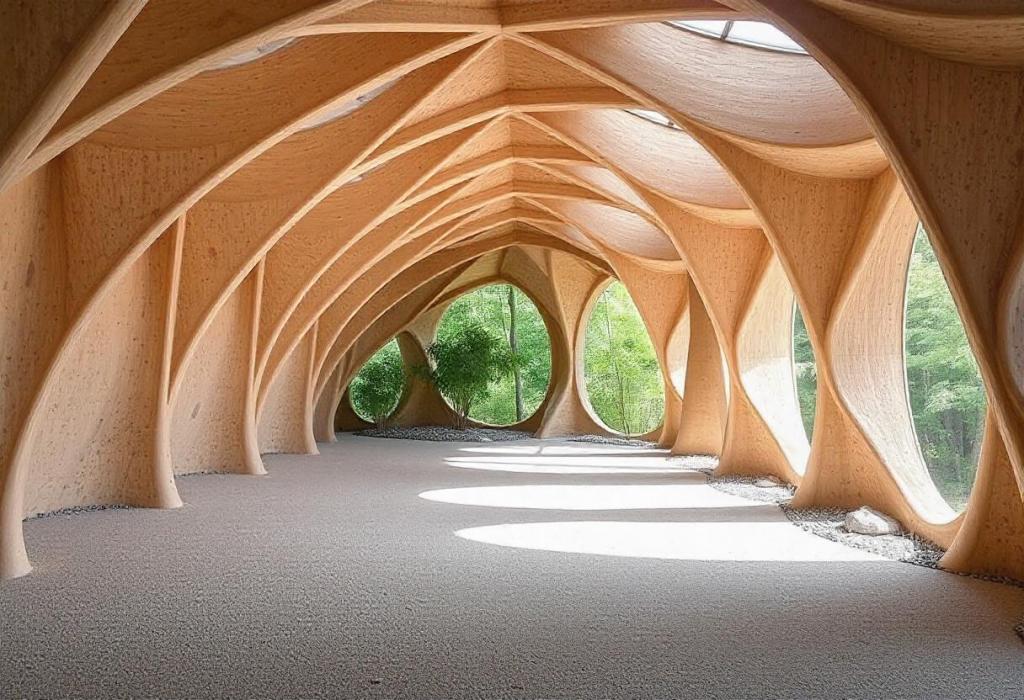
Take the Brock Commons Tallwood House in Vancouver as a prime example. Standing 18 stories tall, this structure is one of the tallest timber buildings in the world. Built using a combination of cross-laminated timber (CLT) and glulam beams, it demonstrates how renewable materials can be used for large-scale projects, reducing the overall carbon footprint without sacrificing structural integrity.
Timber buildings, when responsibly sourced, have the ability to store carbon during their life cycle, making them a carbon-negative option. This is a critical advantage in a world grappling with climate change, as it helps offset the emissions associated with building construction and operation.
Recycled Glass in Green Square Library, Australia
The Green Square Library in Sydney, Australia, showcases how glass, a material typically associated with high environmental costs, can be transformed into a sustainable design solution. The building uses recycled glass aggregate in its concrete mix, reducing the need for new resources while also contributing to the building’s sleek, modern look.
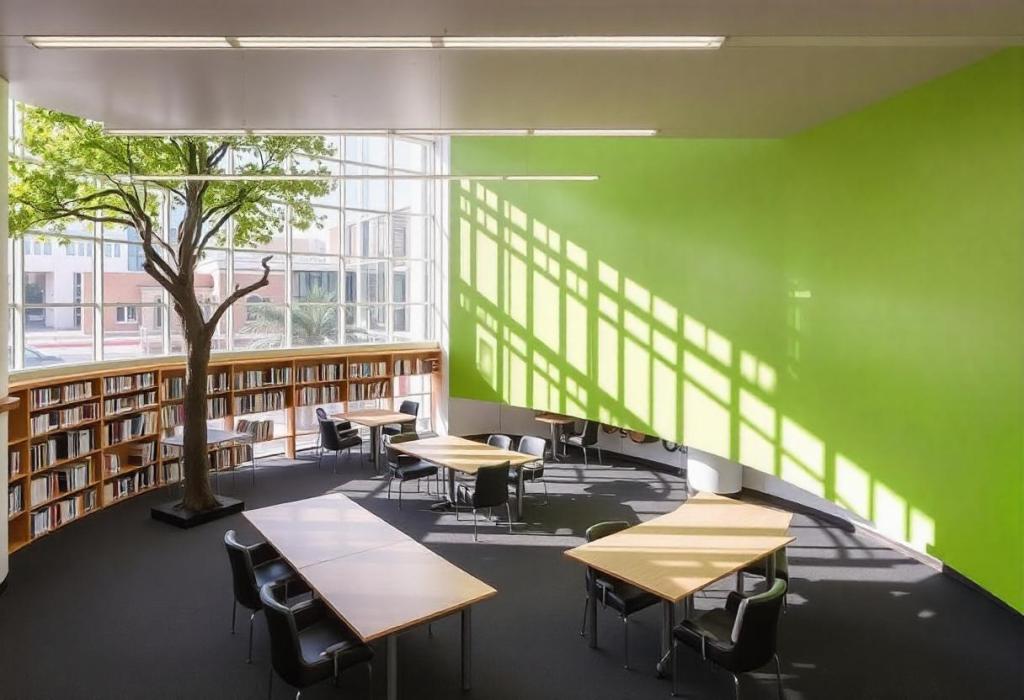
By incorporating recycled glass into the structure, Green Square Library exemplifies how waste materials can be creatively repurposed in construction, enhancing the building’s environmental credentials while still delivering an architecturally striking design.
Benefits of Using Recycled and Renewable Materials
- Reduction of Waste: Incorporating materials like recycled glass, plastic, and metal reduces the demand for new raw materials, lessening the overall environmental impact of construction.
- Lower Carbon Emissions: Renewable materials like mass timber help reduce carbon emissions in both production and construction stages, making them a more sustainable option.
- Enhanced Durability and Flexibility: Many recycled materials, such as plastics and composites, offer improved durability and are often more cost-effective than traditional materials.
The Future of Sustainable Architecture
The future of architecture lies in circular economy principles, where materials are reused, recycled, and repurposed. This approach ensures that waste is minimized, and the environmental impact of buildings is significantly reduced. By continuing to explore innovative materials like recycled plastic, glass, and mass timber, architects can play a crucial role in shaping a more sustainable built environment.
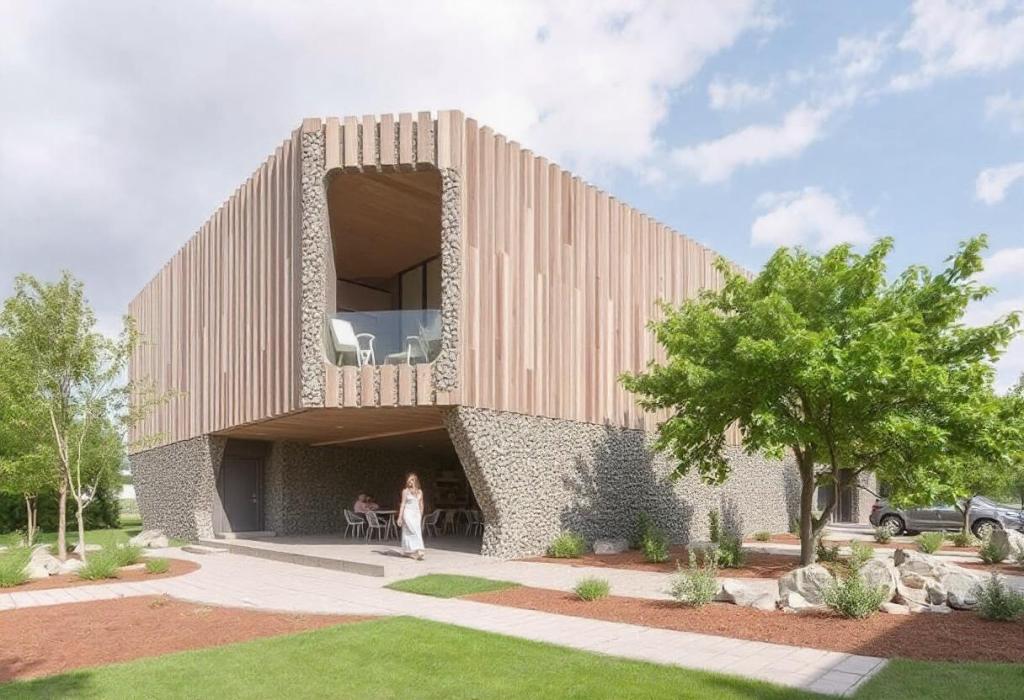
As the demand for sustainable buildings continues to rise, so too will the creative use of recycled and renewable materials. The path to sustainability in architecture isn’t just about reducing energy use but also about making smarter material choices that contribute to a greener future.
Final Thoughts
Sustainable architecture is all about finding creative solutions to global challenges. By embracing recycled materials like plastic, glass, and wood, architects are showing that we can turn waste into something valuable—whether it’s affordable housing in Mexico or a stunning public library in Sydney. The transformation from waste to wonder is not just possible—it’s happening now.

 Design and Build Data