As sustainability becomes a priority across industries, the architecture and construction sectors are increasingly adopting innovative solutions to reduce energy consumption and promote eco-friendly practices. Smart building technologies—leveraging IoT (Internet of Things) and AI (Artificial Intelligence)—are at the forefront of these advancements, transforming traditional buildings into intelligent, energy-efficient spaces. These technologies not only optimize energy use but also improve comfort, efficiency, and sustainability across building systems, including lighting, HVAC, and water management.
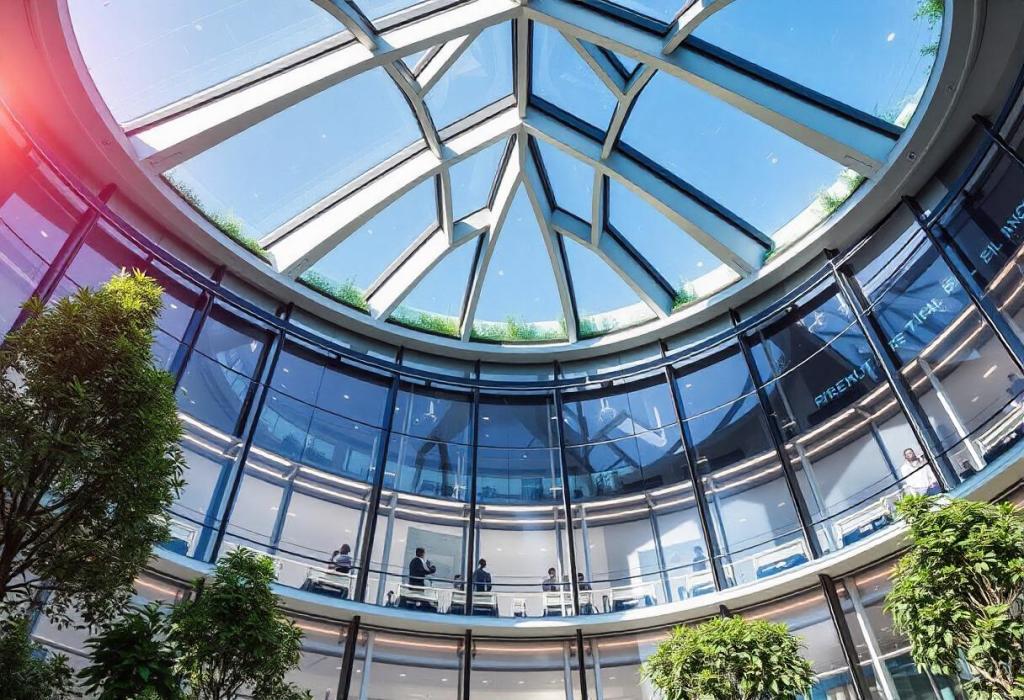
What Are Smart Building Technologies?
At their core, smart building technologies involve integrating advanced systems and devices—like sensors, controllers, and automation platforms—that communicate with one another to optimize building performance. By collecting and analyzing data in real-time, these systems can adapt to changing conditions, ensuring optimal energy use and reducing waste.
With the help of IoT and AI, buildings can become dynamic, responding intelligently to factors such as occupancy, natural light, and weather conditions. These systems allow buildings to operate at peak efficiency, contributing to energy savings and significantly lowering their carbon footprint.
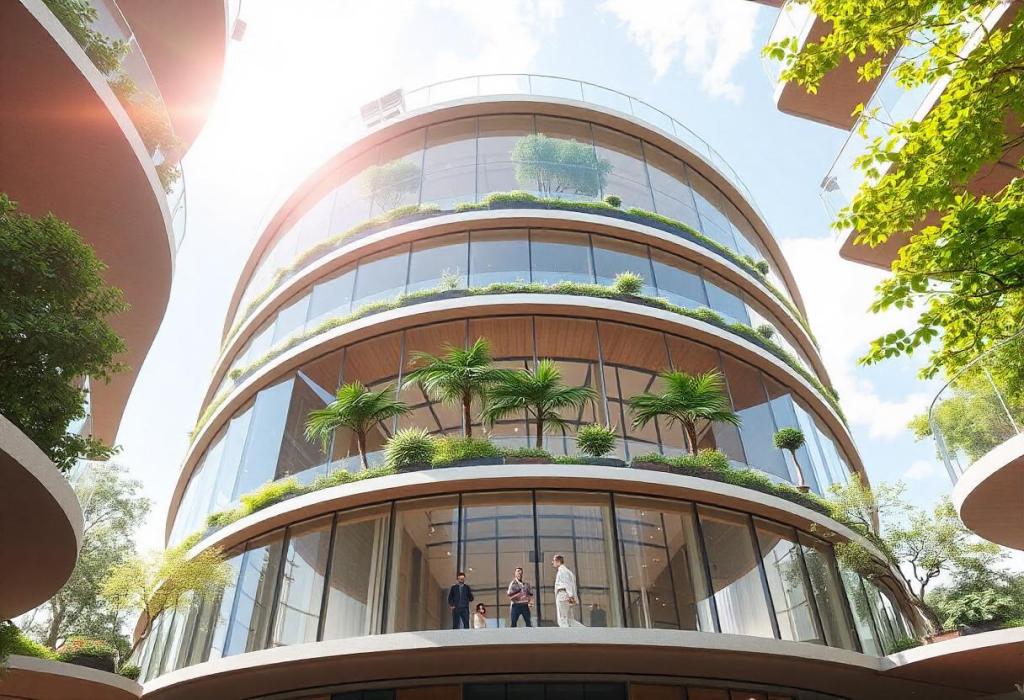
How Smart Technologies Improve Energy Efficiency
One of the most impactful benefits of smart building technologies is their ability to optimize energy use. Buildings account for nearly 40% of global energy consumption, much of which comes from inefficient systems. By incorporating IoT-enabled sensors and AI-powered algorithms, smart buildings can drastically reduce energy waste.
1. Smart Lighting Systems
Lighting is one of the major energy consumers in commercial buildings. Smart lighting systems use sensors to detect occupancy and adjust brightness based on the level of natural light available. When a room is unoccupied, lights automatically turn off, preventing unnecessary energy consumption. These systems can also dim lights when natural sunlight is sufficient, further reducing electricity use.
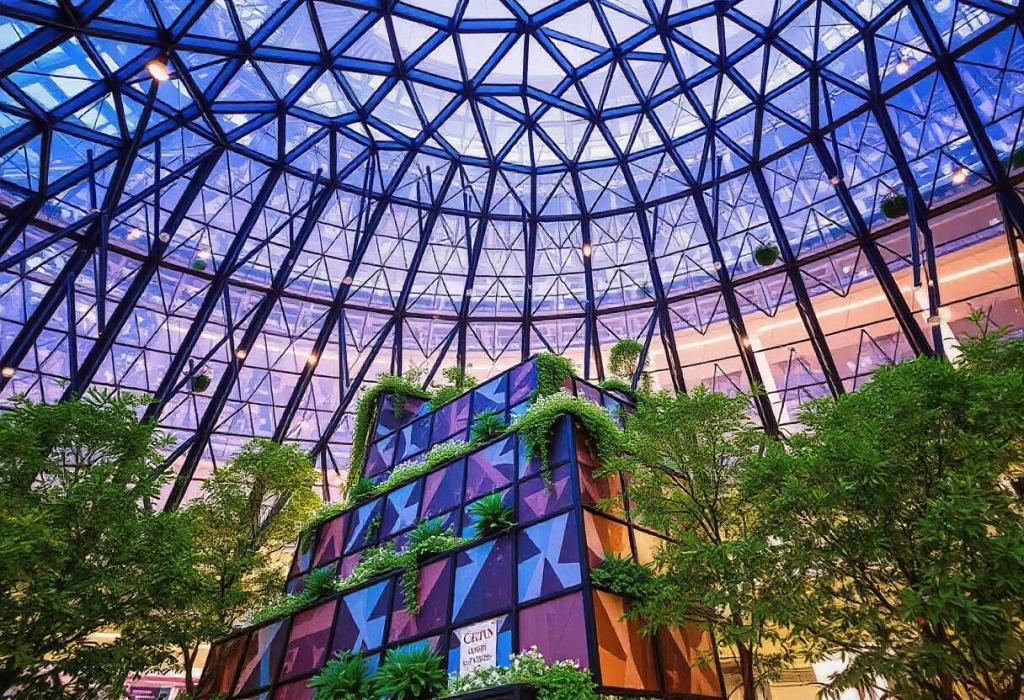
AI enhances these systems by learning occupancy patterns and automatically adjusting lighting schedules based on typical usage. Studies have shown that smart lighting systems can reduce lighting energy consumption by up to 50%, making them a powerful tool in sustainable building design.
2. AI-Powered HVAC Optimization
HVAC systems (Heating, Ventilation, and Air Conditioning) are another significant energy drain in buildings. These systems can account for as much as 40% of total energy consumption. By integrating AI with HVAC systems, buildings can reduce this energy load significantly.
AI-powered HVAC systems use predictive algorithms to adjust temperature settings based on factors like weather forecasts, historical occupancy patterns, and even individual occupant preferences. These systems can pre-heat or cool a space only when it’s about to be used, ensuring no energy is wasted on maintaining empty rooms.

Moreover, smart HVAC systems can monitor air quality, adjusting ventilation to maintain healthy indoor air while reducing energy usage. This results in not only a more sustainable system but also an improved experience for building occupants.
The Role of IoT in Smart Buildings
IoT plays a critical role in making buildings smarter. By connecting devices, sensors, and systems within a building, IoT allows for real-time data collection and analysis. This data is used to control lighting, HVAC, security systems, and even water management.
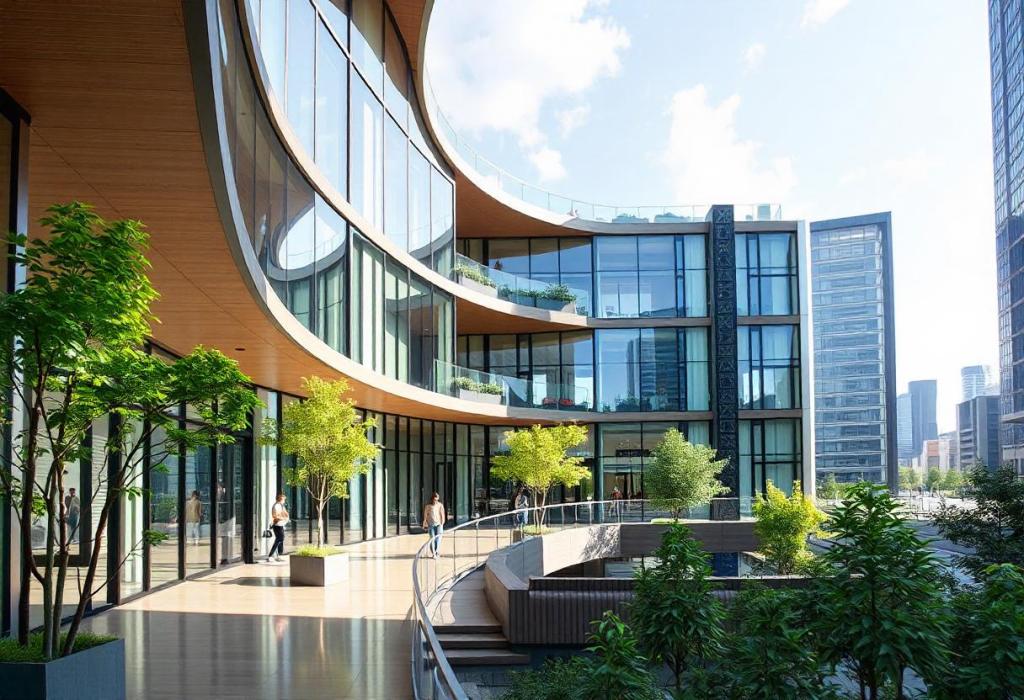
For example, an IoT-connected system can detect leaks in water pipes and trigger automatic shutoffs to prevent waste. In HVAC systems, sensors can detect temperature and humidity levels, adjusting settings in real-time to maintain optimal conditions. IoT-based building automation systems (BAS) ensure that all components of the building work in sync, optimizing efficiency at all times.
Long-Term Benefits: Data-Driven Insights
One of the most significant long-term benefits of smart building technologies is their ability to provide data-driven insights. Over time, buildings collect vast amounts of data related to energy consumption, occupancy patterns, and equipment performance. This data can be analyzed to identify inefficiencies, allowing facility managers to make informed decisions about upgrades, maintenance, and operational improvements.
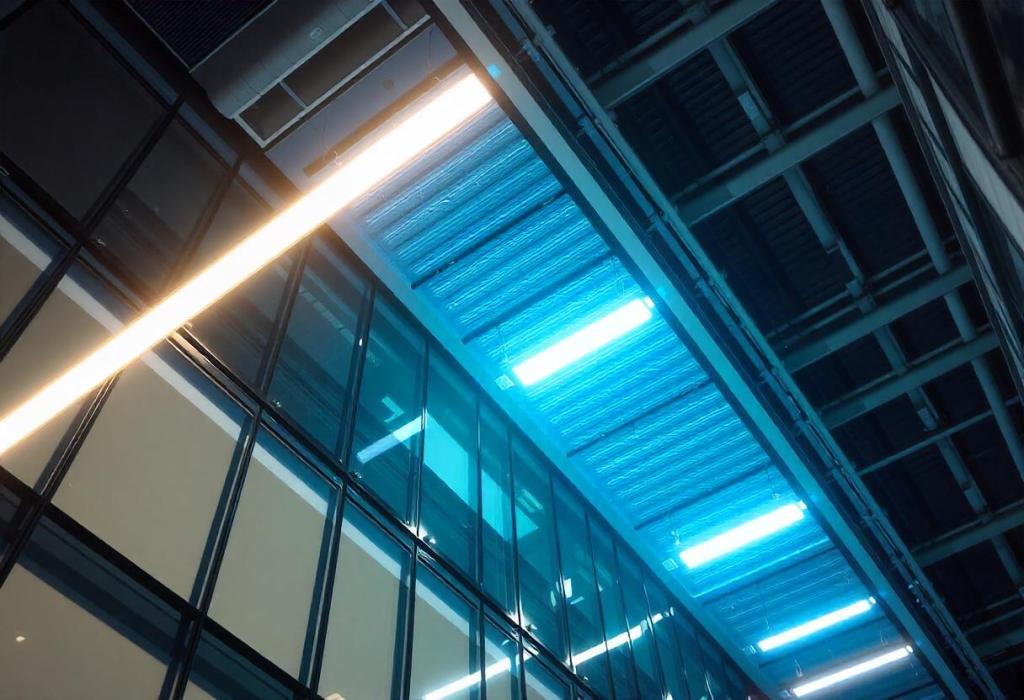
These insights can lead to substantial cost savings by reducing energy bills, extending the life of equipment, and minimizing the need for repairs. Additionally, by continuously optimizing systems, buildings can ensure they are operating at peak performance, further enhancing their sustainability.
Smart Buildings and the Path to Net-Zero
The integration of IoT and AI technologies into buildings plays a crucial role in the broader net-zero movement. As the world pushes toward reducing carbon emissions, net-zero buildings—structures that generate as much energy as they consume—are becoming a priority in both residential and commercial real estate.
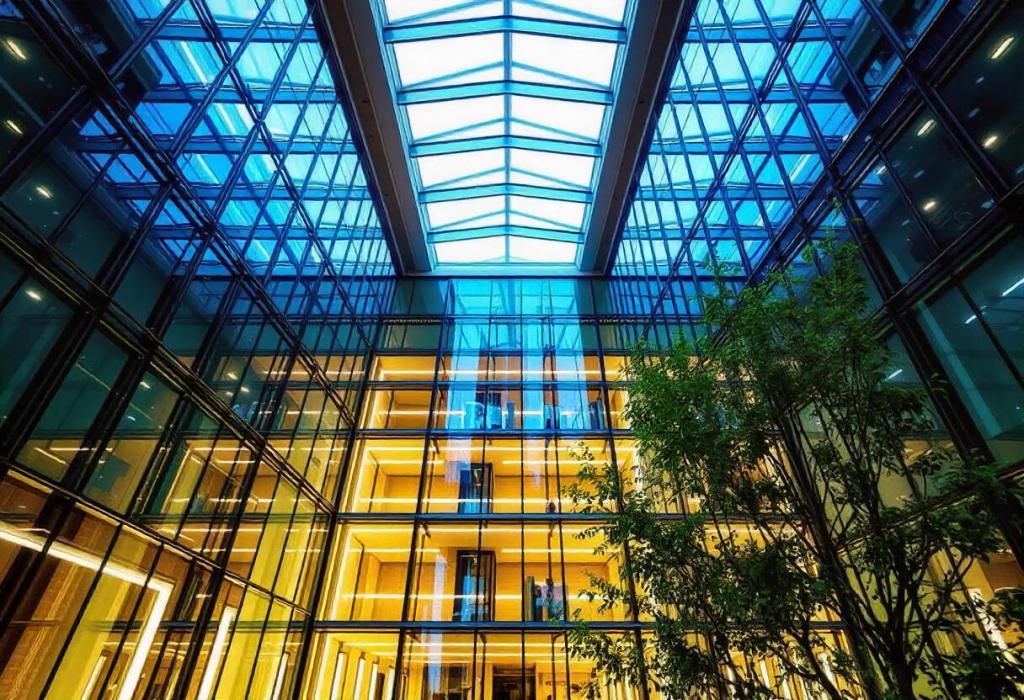
By using smart technologies to optimize energy usage, buildings can significantly reduce their reliance on non-renewable energy sources. Coupled with renewable energy systems like solar panels or wind turbines, smart buildings can play a pivotal role in achieving net-zero energy consumption.
The Future of Smart Building Technologies
As AI and IoT technologies continue to evolve, the potential for smart buildings will only increase. Future advancements may include even more intelligent systems that can predict maintenance needs before they arise, automatically adjust settings for maximum occupant comfort, and integrate seamlessly with renewable energy sources.
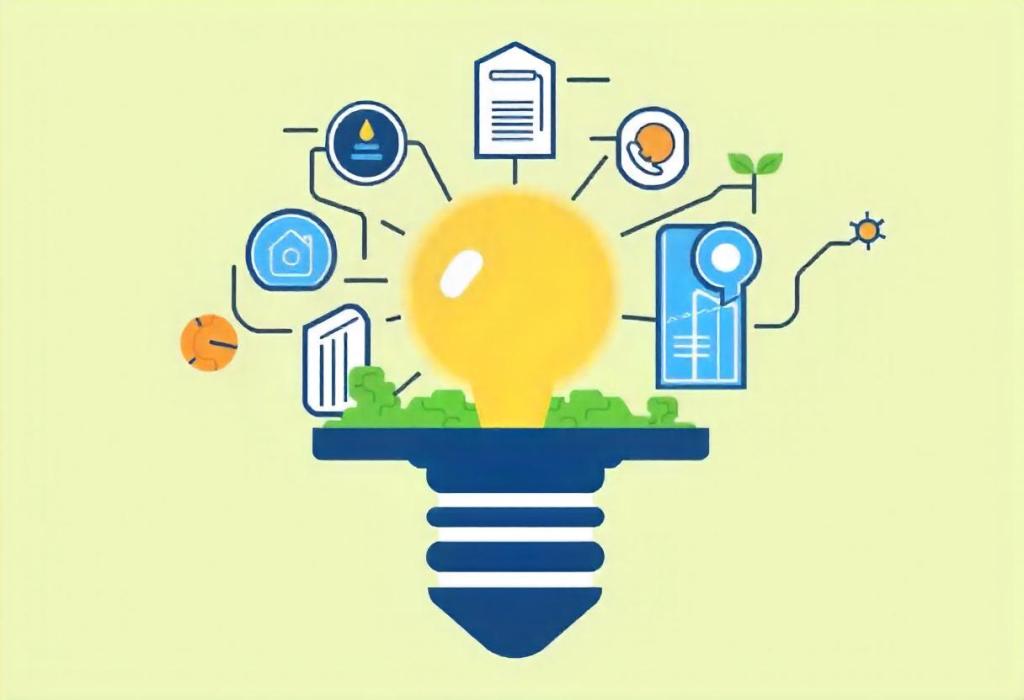
The shift toward smart building technologies represents a fundamental change in how we design and operate buildings, making them not just more efficient, but more sustainable and environmentally friendly. By embracing these innovations, the construction industry can significantly reduce its environmental impact, paving the way for a greener, smarter future.
Hashtags:
#SmartBuildingTechnologies #SustainableArchitecture #IoT #AI #EnergyEfficiency #SmartBuildings #BuildingAutomation #GreenBuilding #NetZero #HVACOptimization #EcoFriendlyDesign #SmartLighting #SmartCities #SmartConstruction #FutureOfArchitecture #SmartBuildingSolutions

 Design and Build Data
1 Comment