As the architectural industry increasingly embraces sustainability, adaptive reuse has emerged as a leading trend that balances environmental responsibility with creative design. This approach, which focuses on repurposing existing buildings rather than demolishing them, offers a multitude of benefits for the environment, communities, and urban landscapes. By transforming old, unused structures into modern spaces, adaptive reuse not only preserves historical value but also significantly reduces the carbon footprint of construction.
What is Adaptive Reuse?
Adaptive reuse is the practice of taking an existing building and converting it to serve a new function. Instead of tearing down older structures, architects and developers find innovative ways to repurpose them, breathing new life into abandoned spaces. This method has become popular in cities where the preservation of architectural history is as important as sustainable development.

Examples of adaptive reuse include:
- Converting old factories into residential lofts or offices
- Transforming former warehouses into co-working spaces or art galleries
- Repurposing churches or historic buildings into restaurants or cultural hubs
Environmental Benefits of Adaptive Reuse
One of the most significant advantages of adaptive reuse is its positive impact on the environment. Traditional construction often involves tearing down old buildings and starting from scratch, which requires the use of new materials like concrete and steel. These materials are energy-intensive to produce and contribute to high levels of carbon emissions.
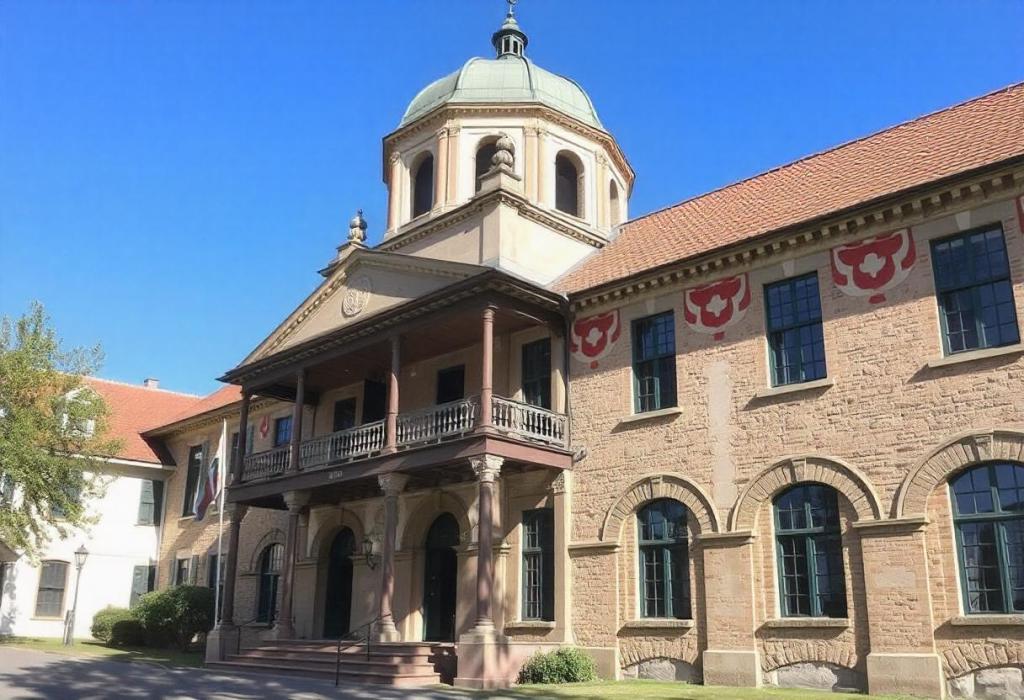
Adaptive reuse reduces environmental impact in several ways:
- Minimizing resource consumption: By reusing the existing structure, fewer raw materials are needed for construction, leading to less resource depletion.
- Reducing construction waste: Demolishing buildings generates a significant amount of waste, much of which ends up in landfills. Adaptive reuse drastically reduces this waste.
- Lowering carbon emissions: New construction projects contribute heavily to carbon emissions due to the production of materials and energy use. Reusing existing structures helps cut down on the energy-intensive processes involved in new construction.
Preserving Historical Value
Adaptive reuse isn’t just about sustainability—it’s also about preserving the cultural and architectural heritage of a community. Many older buildings carry historical significance, representing a bygone era of design and construction. Rather than losing these landmarks to modern developments, adaptive reuse allows cities to maintain their character while repurposing these structures for modern-day use.
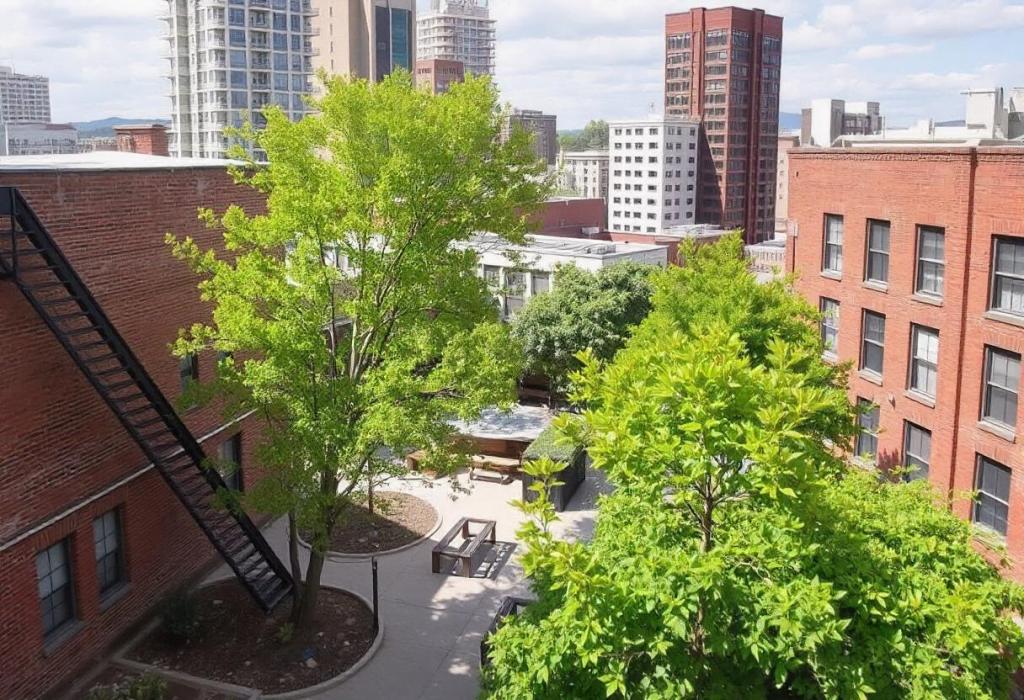
For instance, transforming an old factory into a residential loft retains the building’s original charm while creating functional spaces that meet contemporary needs. This approach is particularly valuable in urban areas where preserving a sense of place and history is crucial to the identity of the community.
Revitalizing Urban Spaces
In addition to environmental and historical benefits, adaptive reuse plays a key role in revitalizing underutilized urban areas. By repurposing abandoned buildings, cities can rejuvenate neglected neighborhoods, turning them into vibrant hubs of activity. These projects often act as catalysts for further development, attracting businesses, residents, and cultural activities to previously overlooked areas.
Economic benefits include:
- Boosting local economies: The revitalization of underused spaces creates new opportunities for business growth, job creation, and tourism.
- Increasing property values: As abandoned or neglected buildings are transformed into desirable spaces, the surrounding areas often experience a rise in property values.
Sustainability Meets Innovation
The success of adaptive reuse lies in its ability to merge innovation with sustainability. Architects and developers are reimagining existing structures in creative ways, often incorporating green building practices into the redesign. Features like solar panels, green roofs, and energy-efficient systems can be seamlessly integrated into older buildings, enhancing their sustainability without compromising their historical integrity.

This approach demonstrates that environmentally conscious design doesn’t mean sacrificing creativity or functionality. Instead, adaptive reuse allows architects to push the boundaries of what is possible, creating spaces that are both aesthetically pleasing and eco-friendly.
Why Adaptive Reuse is the Future of Sustainable Architecture
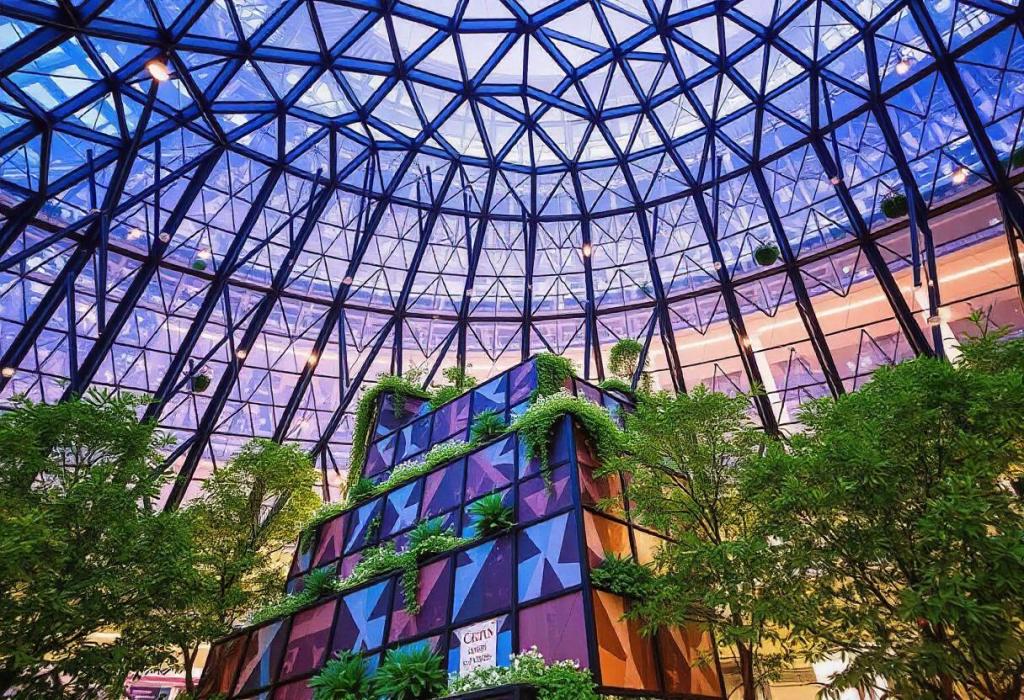
As cities continue to grow and resources become more limited, adaptive reuse offers a sustainable solution for urban development. This approach not only reduces the environmental toll of new construction but also preserves the architectural heritage of communities, revitalizes neglected areas, and promotes economic growth.
Adaptive reuse is more than just a trend—it’s a forward-thinking solution that addresses the challenges of modern-day construction. By looking to the past, architects can build a future that is sustainable, resilient, and respectful of history.

 Design and Build Data