Imagine walking into a public space where every step you take feels welcoming, regardless of your age, mobility, or physical abilities. This is the magic of universal design, an architectural approach that makes spaces functional, beautiful, and, most importantly, accessible to everyone. From someone navigating the world in a wheelchair to a parent pushing a stroller, universal design eliminates barriers and enhances inclusivity.
What is Universal Design?
Universal design doesn’t just focus on aesthetics—it prioritizes usability and accessibility for all. Picture a building where ramps are seamlessly integrated into the architecture, alongside stairs, creating a space that welcomes all without needing special accommodations. Imagine doorways wide enough for a wheelchair, automatic doors that allow easy access, and legible, tactile signage for individuals with visual impairments. This approach considers the needs of every individual, making the environment functional for all.

Empowering Through Architecture
Architectural spaces have the power to either exclude or empower. Universal design empowers by creating environments where people of different abilities can live, work, and play without limitations. Features like wide corridors, low countertops, and tactile paths ensure that every individual, regardless of their physical capabilities, can easily navigate the space. This is more than a trend—it’s a movement that respects the diversity of human experience and seeks to provide dignity and independence.
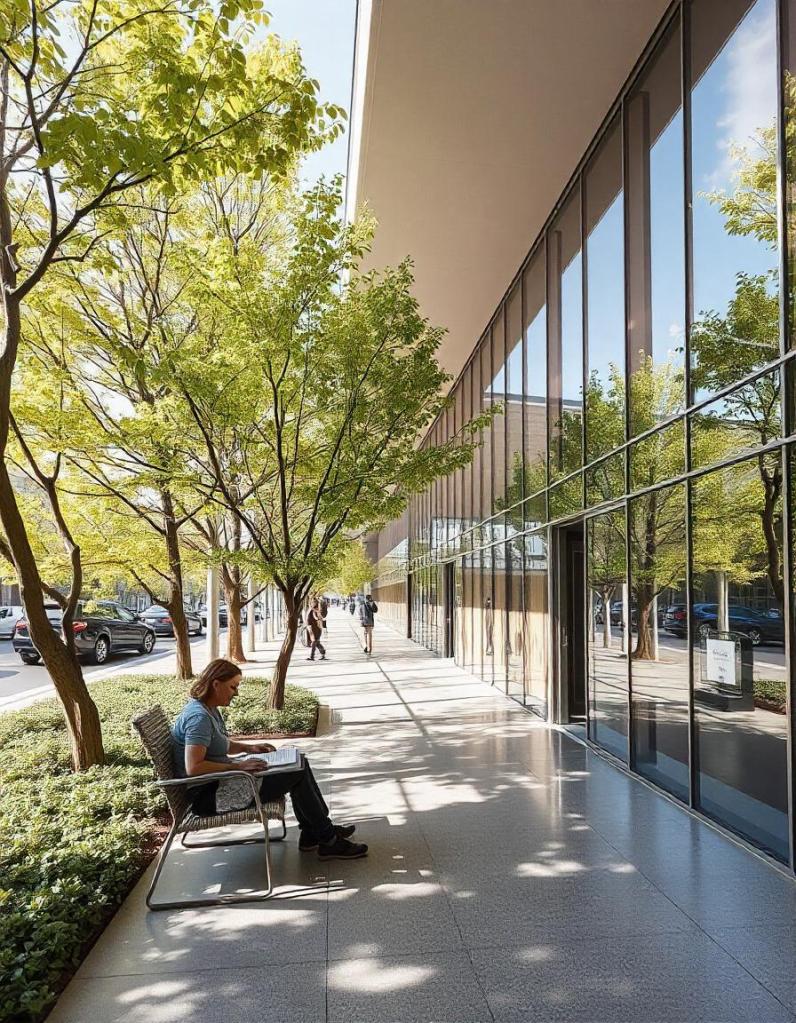
Flexibility and Simplicity at Its Core
Universal design thrives on flexibility. It incorporates adjustable elements such as multi-height workstations or kitchen countertops that accommodate people of various heights and abilities. Lever handles replace doorknobs for those with limited hand strength, and automated, voice-activated systems reduce the complexity of interacting with a space. These features are not just functional—they add value by making everyday tasks simpler and more intuitive.
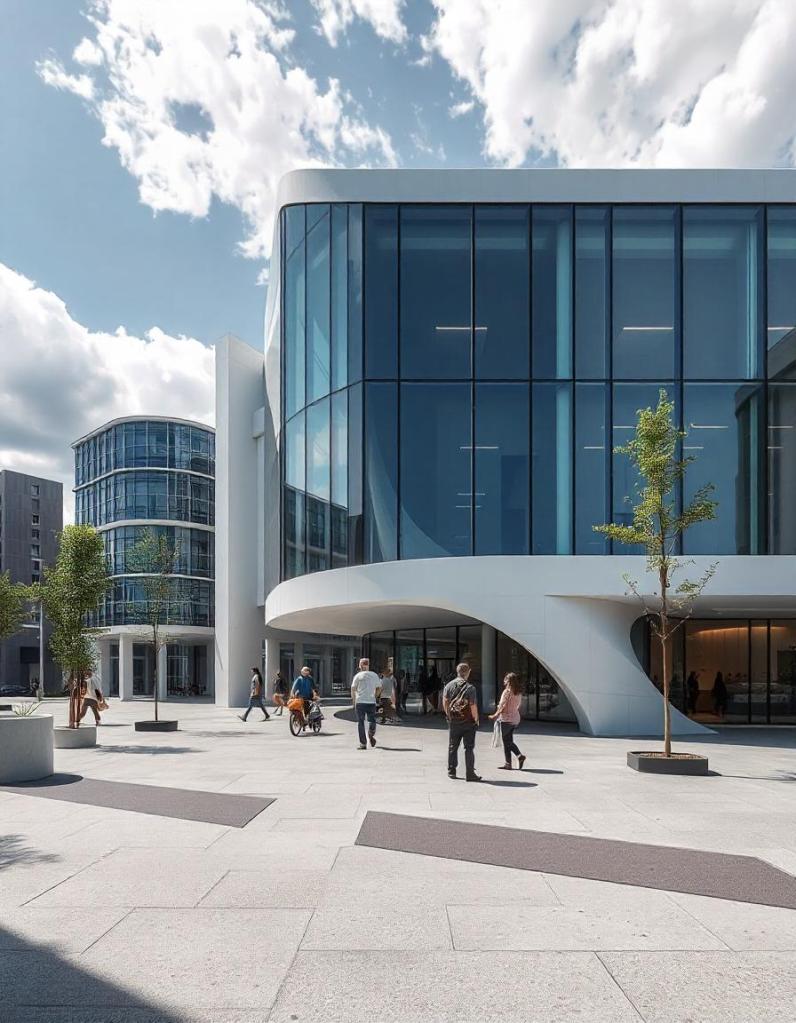
Universal Design and Sustainability
The future of design merges sustainability and inclusivity. Think of solar-powered pathways that light up as you walk, guiding not only those with vision impairments but also creating an energy-efficient public space. Designing for accessibility also means thinking long-term—creating buildings that are adaptable for future generations and evolving user needs.
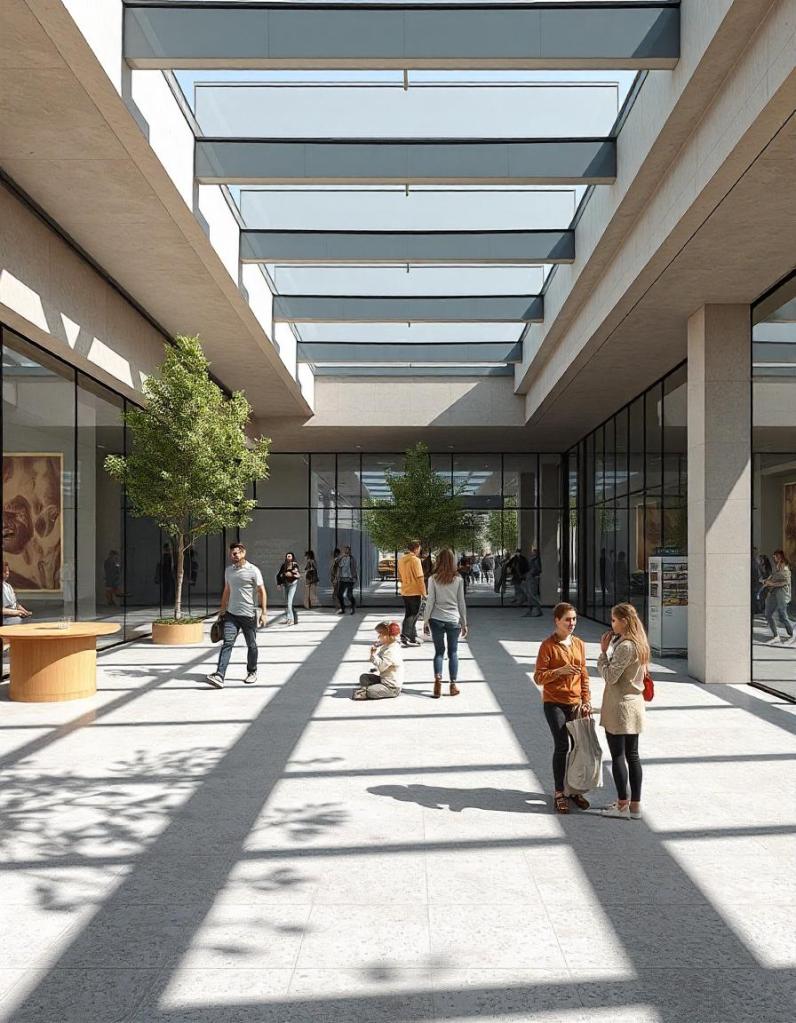
Why It Matters More Now Than Ever
In 2024, the importance of universal design is at an all-time high. As the world’s population ages and society becomes more diverse, we must ensure that our built environments are ready to meet the needs of everyone. Universal design isn’t just about accessibility for people with disabilities; it’s about inclusivity for parents with young children, travelers with heavy luggage, and aging populations. It’s about creating environments that reflect our world’s rich diversity.
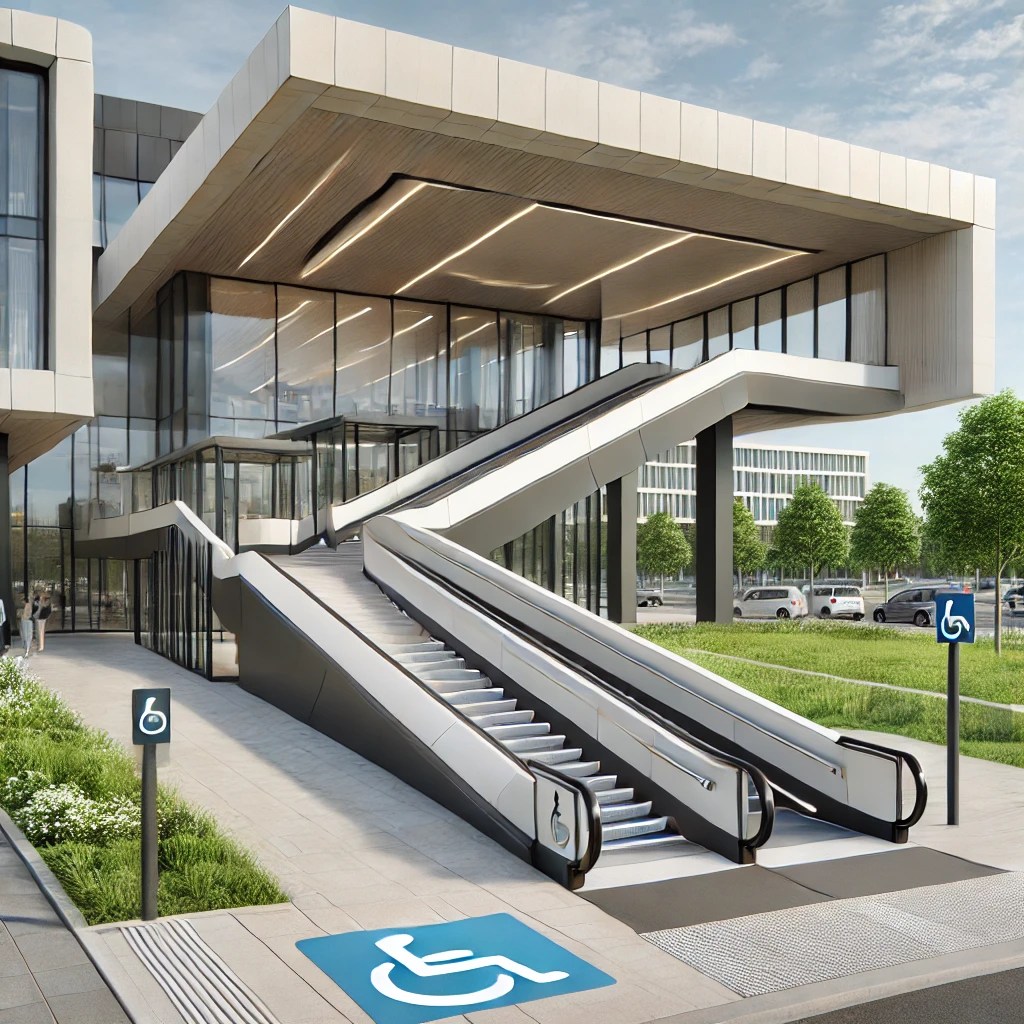
Universal design doesn’t just enhance individual spaces—it transforms entire communities by fostering a sense of belonging. When architecture speaks the language of inclusion, it builds bridges between people and their environments.
What’s Next for Universal Design?
As more architects and designers adopt universal design principles, we are starting to see the future of architecture become more inclusive. But there’s still much work to be done. Are you integrating these principles into your own projects? How can we all work towards more universally designed spaces?

#UniversalDesign #InclusiveArchitecture #DesignForAll #Accessibility #SmartDesign #ArchitecturalInnovation #Sustainability #InclusiveSpaces #FutureOfArchitecture #EmpowerThroughDesign
Let’s continue the conversation—what changes have you made in your designs to ensure they’re inclusive and accessible for all?

 Design and Build Data