In today’s world, architecture isn’t just about designing buildings – it’s about creating spaces that cater to all individuals, regardless of their abilities. Inclusive design principles are reshaping the way we approach architecture, ensuring that everyone, from all walks of life, can experience the built environment comfortably.
1. What is Inclusive Design?
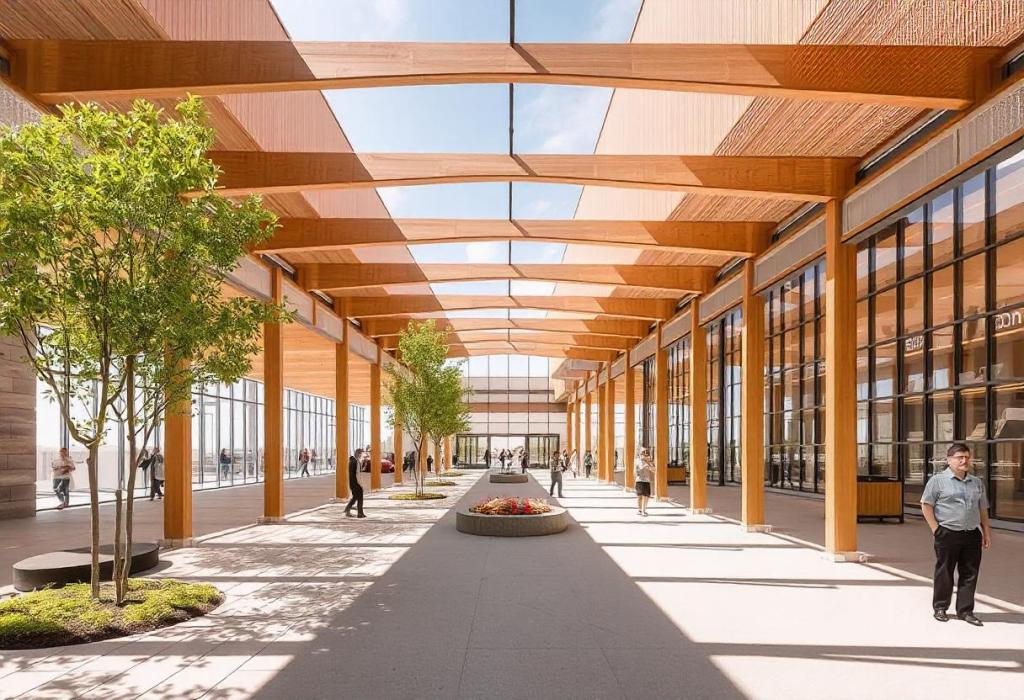
Inclusive design goes beyond mere accessibility. It’s about designing environments that accommodate the broadest range of human diversity – physical, cognitive, and emotional. The goal? To foster environments where every person can thrive without adaptation or specialized design.

2. Designing for Neurodiversity
Did you know that inclusive design principles also focus on neurodiverse individuals? By incorporating calm lighting, noise control, and sensory-friendly materials, we create spaces that reduce overstimulation for those with sensory processing sensitivities.

3. Universal Accessibility is the Foundation
Ramps and wide doorways are just the beginning. Thoughtful design considers all aspects of mobility, incorporating tactile walkways, color contrasts for the visually impaired, and ergonomic layouts to ensure navigation ease for everyone.
4. Human-Centered Design for Mental Wellbeing
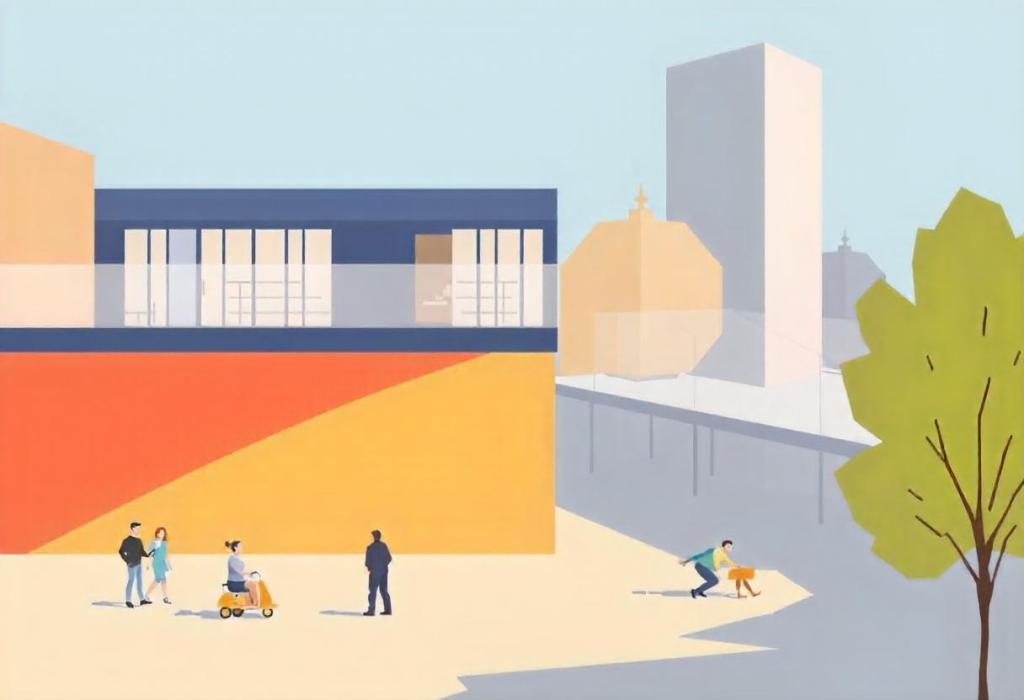
Inclusive spaces aren’t only functional; they also prioritize emotional comfort. By integrating biophilic elements like natural light, greenery, and open spaces, we foster mental well-being, making people feel connected, calm, and empowered.
5. Future-Proofing with Flexibility
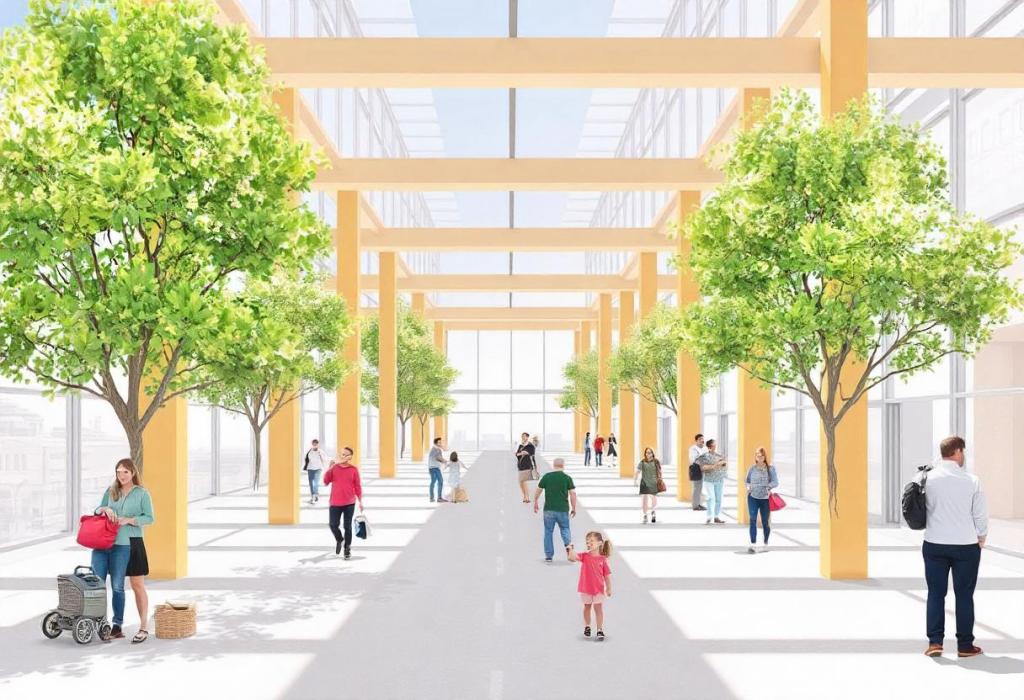
As society evolves, so do its needs. Flexible spaces that can adapt to various user requirements ensure buildings remain relevant and functional over time, fostering inclusivity in the long term.
Inclusion is the Future of Architecture
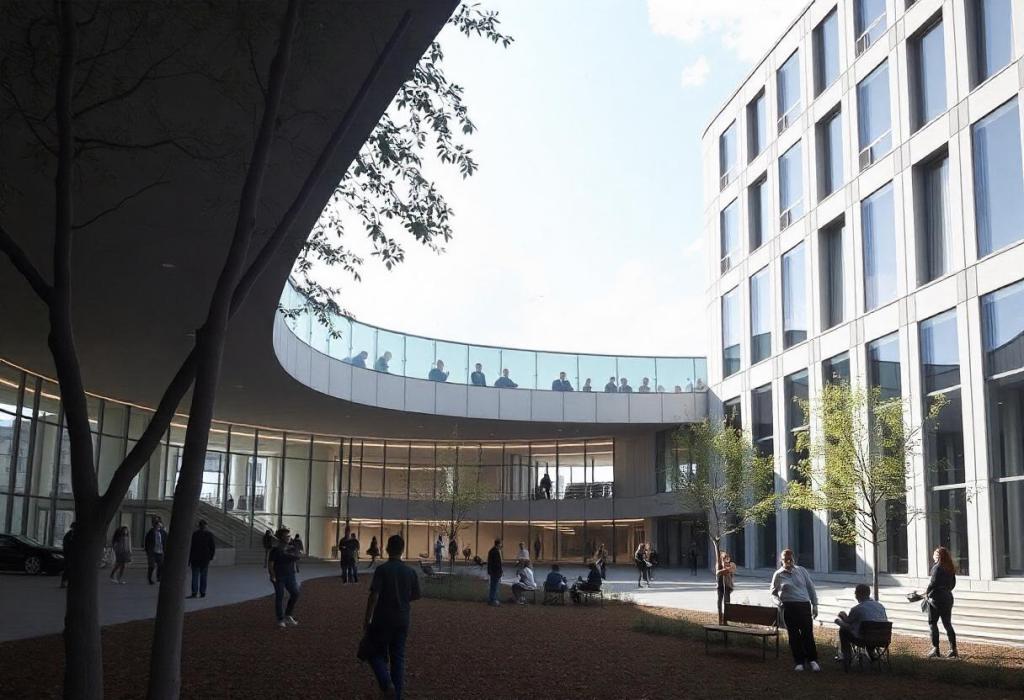
Designing with inclusivity at the core isn’t just about meeting codes – it’s about creating a world where everyone feels welcome and valued. By applying these principles, we are designing for dignity, diversity, and a brighter future.

#InclusiveDesign #ArchitectureForAll #UniversalDesign #Neurodiversity #DesignForAll #HumanCenteredDesign #ArchitectureMatters

 Design and Build Data