Preserving History While Ensuring Accessibility
Cultural and historical sites are gateways to the past, offering a glimpse into the richness of human heritage. These landmarks represent centuries of history, art, and culture, and are often key tourist attractions. However, a significant portion of the global population faces barriers when visiting these spaces due to their lack of accessibility. This is where universal design plays a crucial role, allowing us to create inclusive public spaces that welcome all people, regardless of their physical abilities, age, or background.
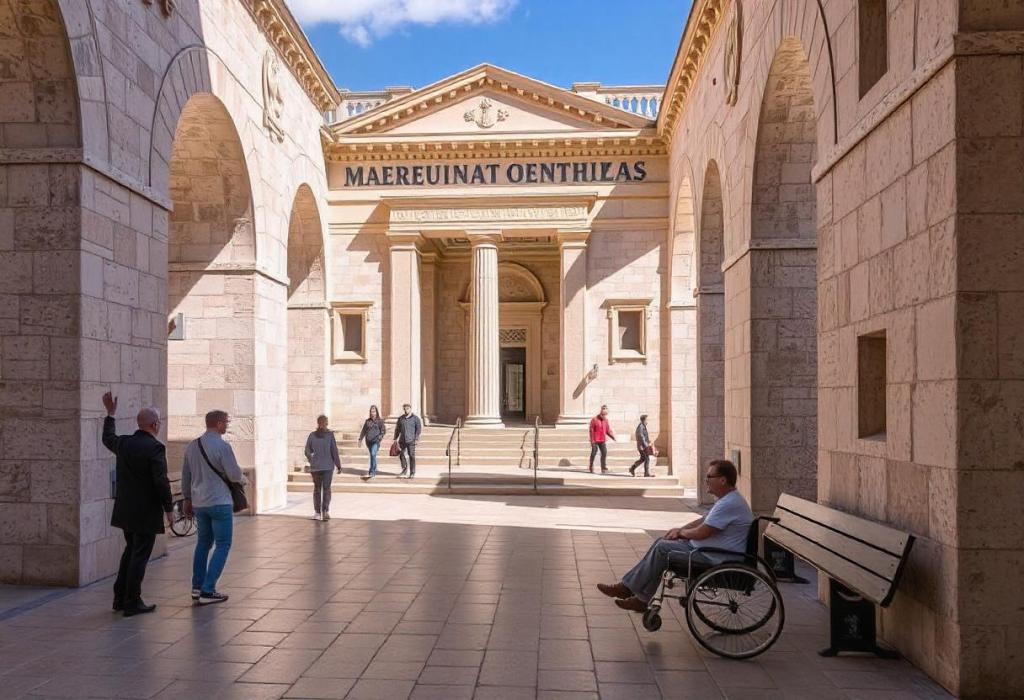
The Importance of Universal Design in Heritage Sites
Historically, many cultural sites were not designed with inclusivity in mind. Ancient monuments, museums, and heritage landmarks often feature uneven terrains, stairs, narrow passageways, and inaccessible information displays, making them difficult to navigate for people with disabilities or mobility issues. While these features reflect the architectural practices of their time, they pose challenges for modern visitors who expect and deserve equitable access.
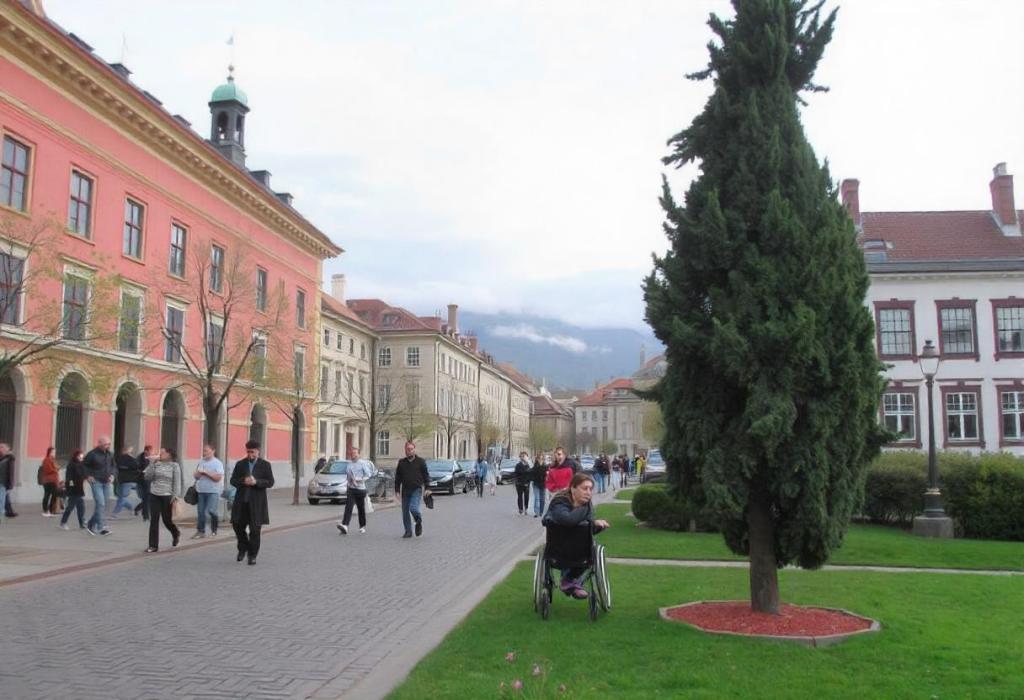
Universal design focuses on ensuring that these spaces are usable by everyone—whether they are people with disabilities, the elderly, or families with young children. But universal design in cultural and historical sites doesn’t mean compromising their historical integrity. Instead, it involves thoughtful interventions that blend accessibility with preservation.
Making Accessibility Seamless
Incorporating universal design into public spaces requires a careful approach, especially when dealing with cultural landmarks. The key is to make accessibility seamless, ensuring that modifications respect the site’s history while improving functionality for everyone.
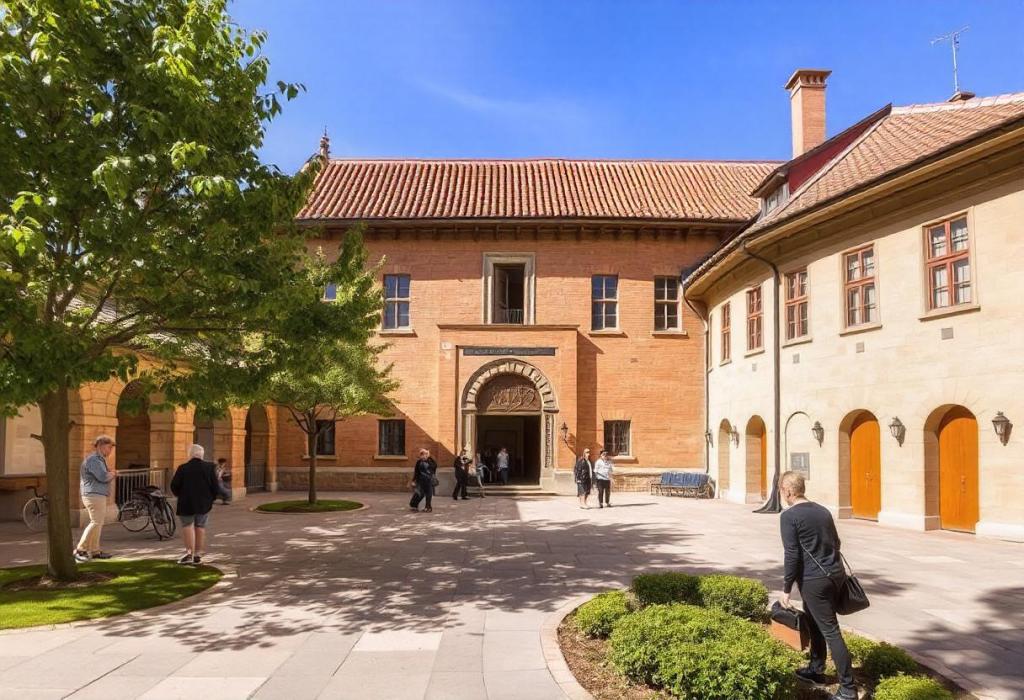
Examples of universal design features include:
- Accessible ramps that are subtly integrated into the site’s design without drawing attention away from its original aesthetics.
- Tactile paths and braille signage for visitors who are visually impaired.
- Audio guides or sign language interpreters to make information accessible for all.
- Wheelchair-friendly paths that follow the natural flow of the site while ensuring access to key areas.

For instance, at the Sulaiman Too Complex in Kyrgyzstan, we managed to introduce ramp access and tactile features without altering the historical beauty of this UNESCO World Heritage Site. The result is a space that caters to all visitors while preserving its cultural integrity. This is a model of how universal design can be successfully implemented in sensitive contexts.
Balancing Historical Integrity and Inclusivity
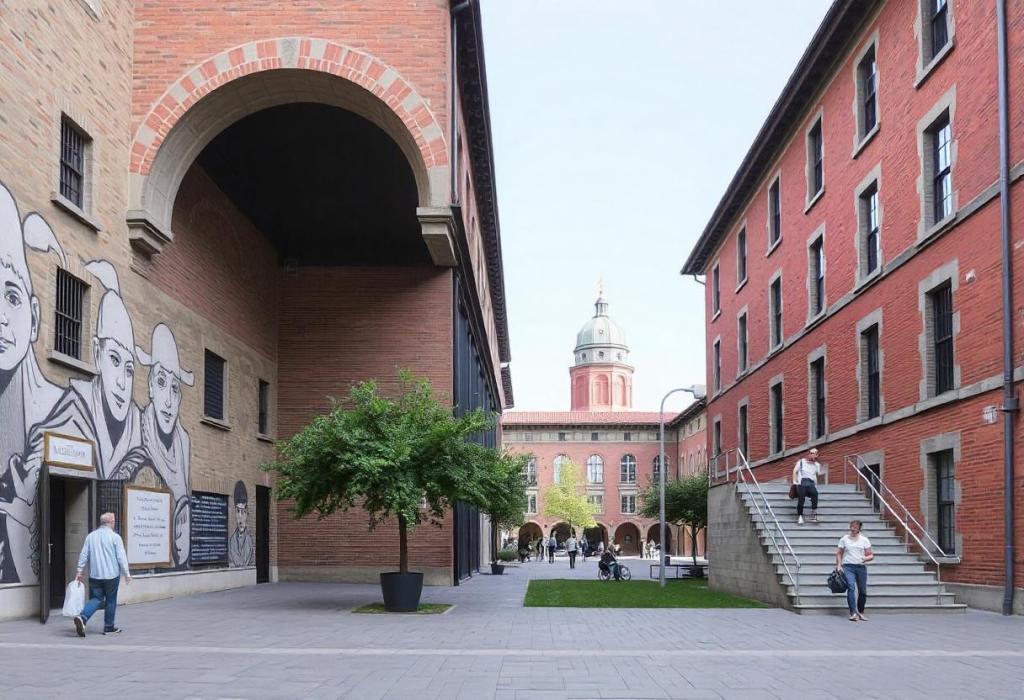
One of the biggest challenges in applying universal design to historical and cultural sites is the concern of preserving their authenticity. Many architects and preservationists worry that adding modern elements will compromise the site’s aesthetic or historical value. However, universal design doesn’t have to conflict with preservation efforts.
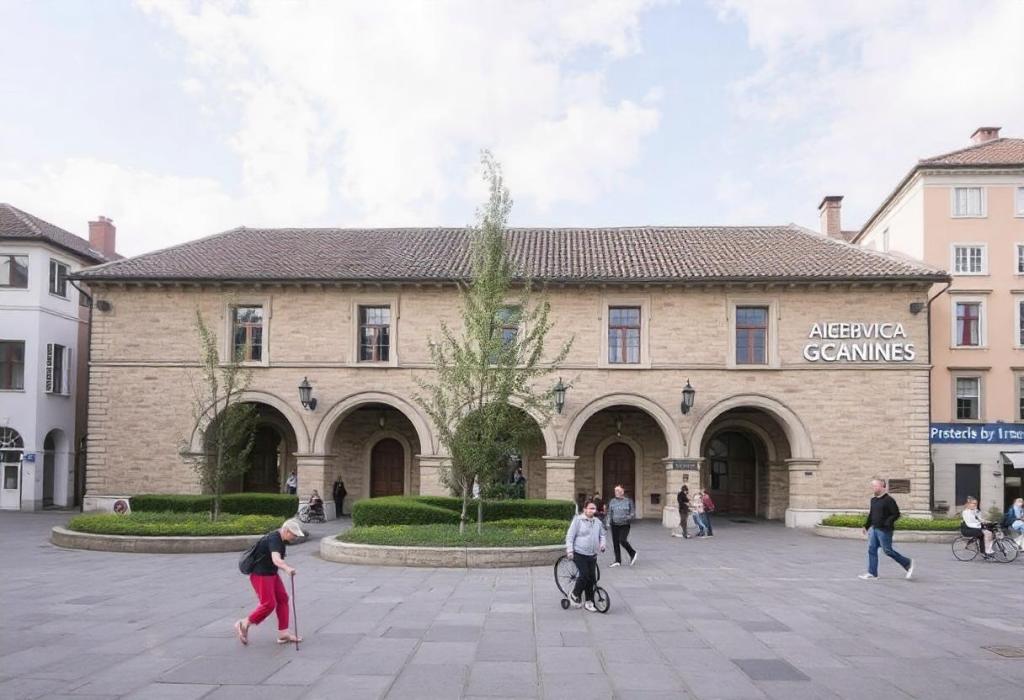
For example, removable ramps can be added in a way that they are not permanent fixtures but can be used during high-traffic periods. Discreet signage and understated pathways can be designed to blend into the landscape without overshadowing the site’s historical features. Universal design is about thoughtful interventions that respect the site’s context while expanding its accessibility.
Why Universal Design Matters for the Future of Cultural Sites
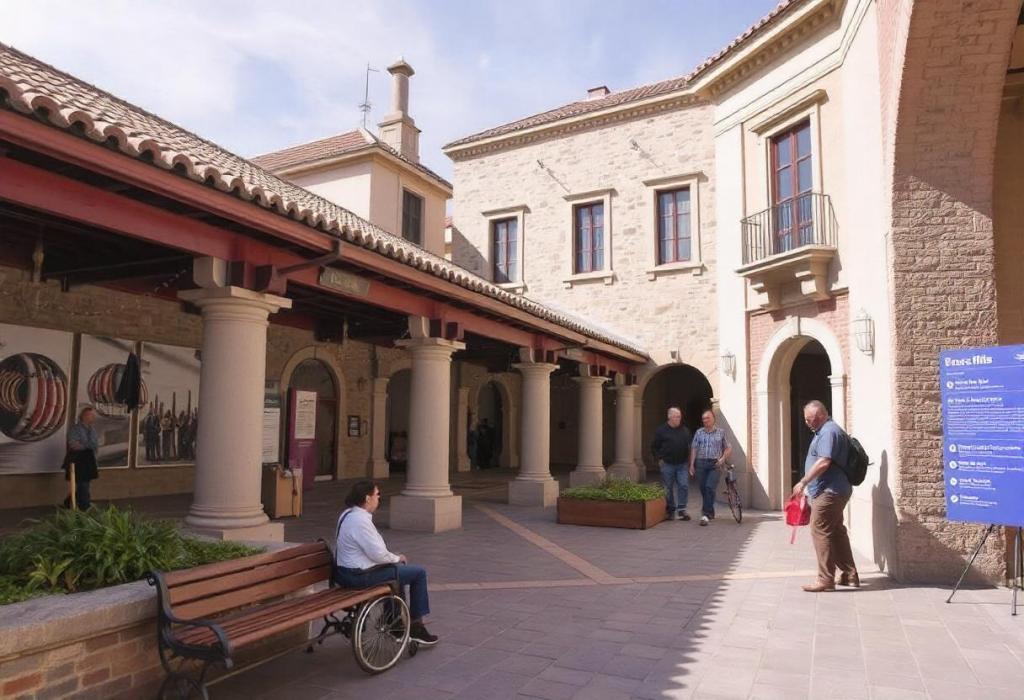
As global awareness of accessibility and inclusivity grows, there is increasing pressure on public institutions, governments, and architects to ensure that cultural heritage is accessible to all. Beyond ethical reasons, there are practical and financial benefits to making these spaces more inclusive.
Economic Benefits:
Inclusive design brings more visitors, especially those from underrepresented groups such as people with disabilities and seniors. Accessible public spaces are often more popular and attract more tourists, increasing revenue from ticket sales, guided tours, and merchandise.

Enhanced Visitor Experience:
When spaces are designed to be used by everyone, they offer a better, more engaging visitor experience. This leads to higher levels of satisfaction and positive feedback, helping to promote the site through word of mouth and social media.
Future-Proofing Heritage Sites:
By integrating universal design principles now, cultural sites are ensuring they remain relevant and accessible for future generations. As the population ages and more people demand inclusive experiences, sites that fail to adapt risk becoming obsolete.
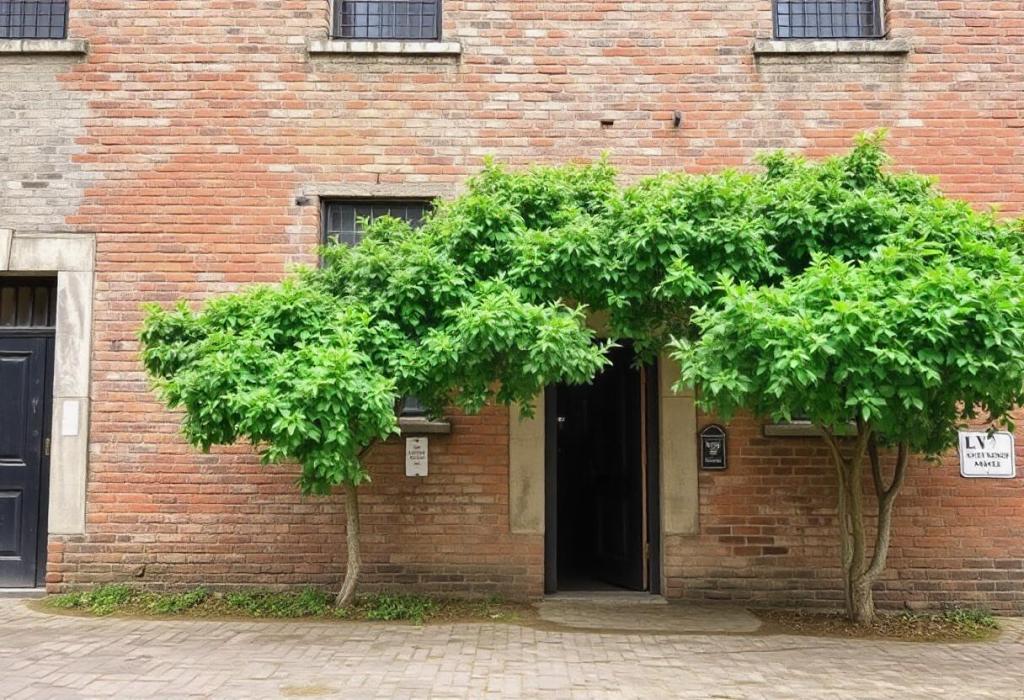
Conclusion: Universal Design as the Future of Public Spaces
The business case for universal design in cultural and historical sites is undeniable. Beyond meeting modern accessibility standards, it enhances visitor experiences, increases site traffic, and ensures that these important landmarks are accessible to all. As architects, designers, and preservationists, our role is to find creative solutions that balance accessibility and preservation, making sure these sites can be enjoyed by everyone for generations to come.
#UniversalDesign #InclusiveArchitecture #CulturalHeritage #AccessiblePublicSpaces #HistoricalPreservation #EquitableAccess #DesignForAll #ArchitectureForEveryone

 Design and Build Data