The Essence of Universal Design: Human Dignity
At the heart of universal design is one core principle: dignity. In architecture, it’s not just about creating functional spaces—it’s about creating environments that respect, empower, and elevate every individual, regardless of physical ability, age, or background. This ethical approach to design ensures that all users, regardless of their differences, experience the built environment on equal terms.

When we design with dignity in mind, we provide individuals the freedom to navigate, interact with, and feel a sense of ownership in public and private spaces. For architects, dignity is the foundation of inclusive architecture.
More Than Just Functionality: Ethics in Design
Many believe that universal design is simply about accessibility. While that’s part of it, universal design goes deeper—it’s about embedding ethics into architecture. Whether it’s ensuring step-free access for wheelchair users, designing tactile paths for visually impaired individuals, or creating spaces that consider children and the elderly, the goal is always to foster an experience that feels seamless for everyone.
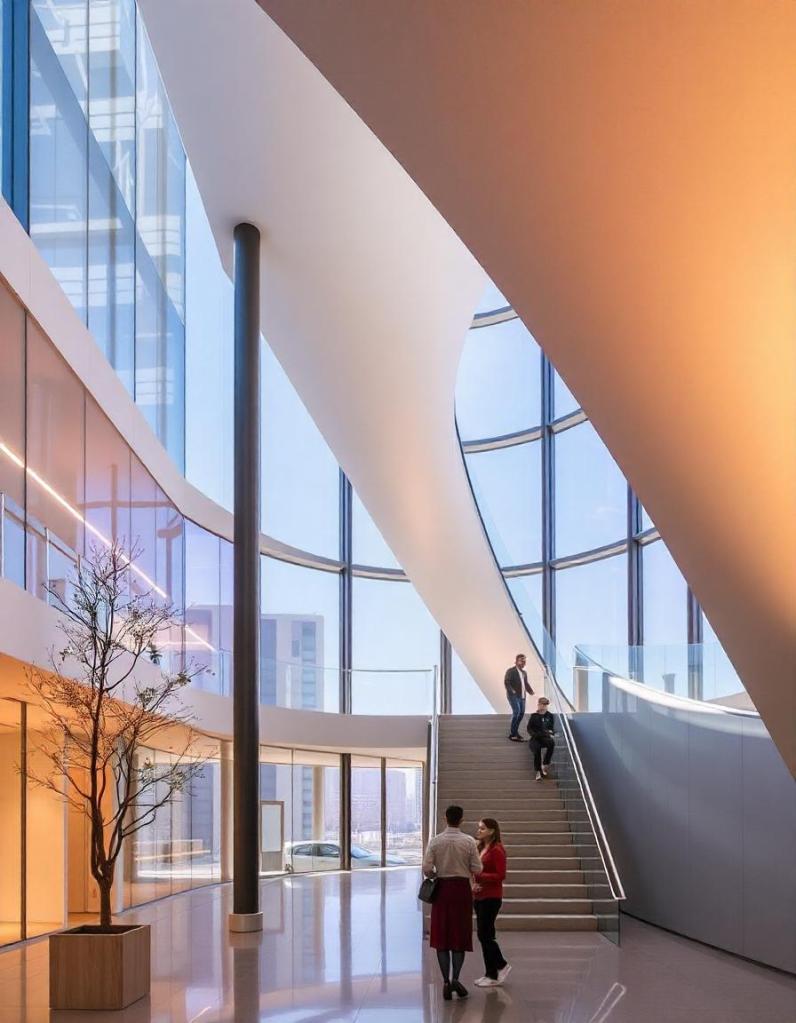
When we create spaces that support the dignity of all users, we go beyond meeting regulatory standards or ADA guidelines. We actively promote the idea that everyone deserves the same level of comfort and access. This is what separates ethical architecture from simply accessible architecture.
Respecting Rights Through Architecture
The built environment plays a critical role in shaping how we interact with the world. For many, traditional architectural spaces have acted as barriers to full participation. Stairs, narrow corridors, or inaccessible restrooms can exclude entire groups of people. Universal design seeks to break down these barriers, ensuring that everyone can engage fully with their surroundings.
This is a matter of basic rights. Every individual has the right to move freely, access public services, and enjoy cultural or natural heritage sites. Universal design protects these rights by ensuring that spaces cater to the diverse needs of the population. It also upholds the idea that equality and fairness are essential in public spaces, where everyone should feel welcome and respected.
Designing with Dignity in Mind
A truly ethical design practice integrates universal design from the outset. It’s not an afterthought or an add-on. Whether designing a modern office building, a public park, or a cultural landmark, the principles of inclusivity and dignity must guide every decision. For example, designing accessible routes that follow the natural landscape, creating signage that is both visual and tactile, and ensuring that restrooms accommodate all users, including those with mobility impairments or caregivers.
This approach ensures that architecture is a force for good, actively promoting inclusion and community-building, rather than creating divisions. In designing for dignity, architects consider not just the technical aspects of the building but also the emotional and psychological experience of every visitor.
Case Study: Sulaiman Too Complex
At the Sulaiman Too Complex in Kyrgyzstan, the challenge was to introduce accessibility features in a UNESCO World Heritage Site without compromising its historical integrity. Through thoughtful planning, we introduced removable ramps, tactile signage, and accessible pathways that blend seamlessly with the landscape, allowing visitors of all abilities to experience the site’s beauty and history.
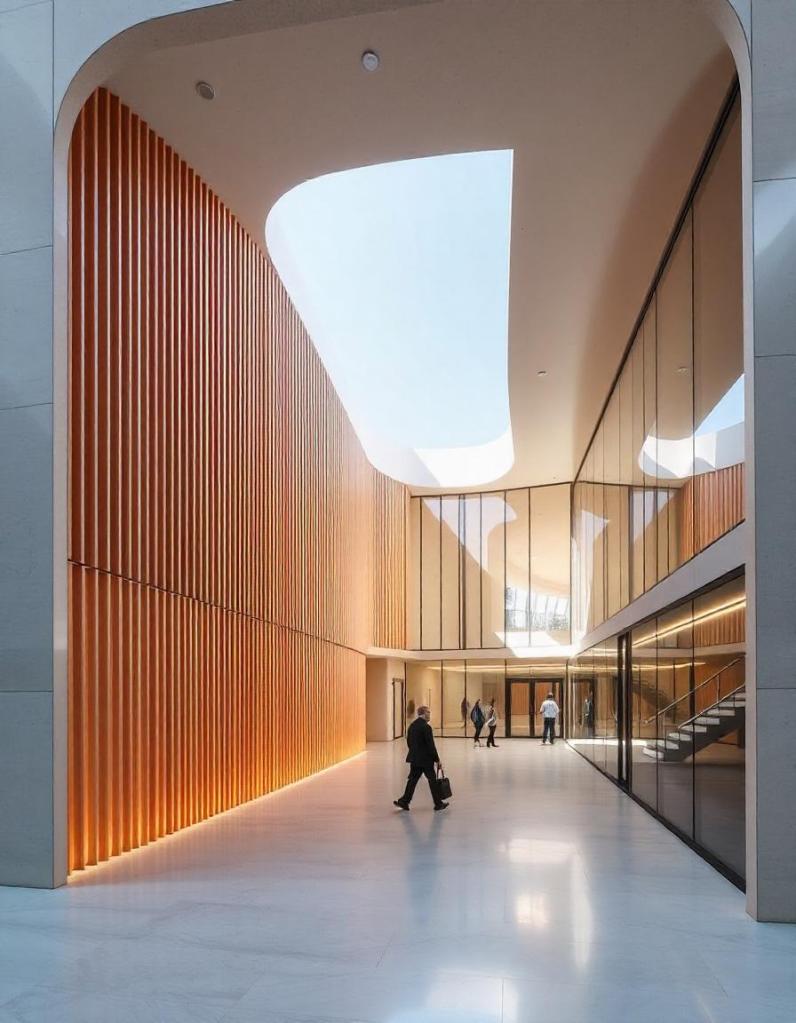
This is an example of how universal design respects both heritage and accessibility, proving that ethical design can elevate spaces and make them accessible for everyone without compromising their cultural significance.
The Future of Ethical Architecture
As we move forward, architects and designers must take on the responsibility of creating equitable spaces that honor both history and human dignity. Universal design is not just a set of guidelines—it’s a mindset that prioritizes respect and empathy for all users. By focusing on inclusivity in our designs, we are not just creating better buildings—we are building a more just and compassionate society.
As the demand for inclusive design grows, so does the ethical obligation of architects to incorporate universal design principles into every project. By designing for dignity, we ensure that our spaces reflect the values of fairness, respect, and equity for all.
#UniversalDesign #DesignForDignity #EthicsInArchitecture #InclusiveSpaces #ArchitecturalEthics #AccessibleArchitecture #BuildingWithRespect #DesignForAll

 Design and Build Data