Universal design has long been about creating spaces that cater to everyone, regardless of ability, age, or background. As the world continues to evolve, so must the ways we design these spaces. By anticipating future needs, we can create truly inclusive environments that accommodate both present and future generations. This article explores emerging trends in universal design and how designers can lead the way toward a more accessible and equitable world.
1. Technology-Integrated Design: The Smart Future
With the rise of smart technology, the integration of AI and IoT (Internet of Things) is set to revolutionize universal design. Imagine homes and public spaces where voice-controlled systems, automated doors, and smart lighting adapt to the needs of users in real-time. Designers are already incorporating motion sensors, assistive tech, and wearable devices to create environments that anticipate user needs before they even express them.
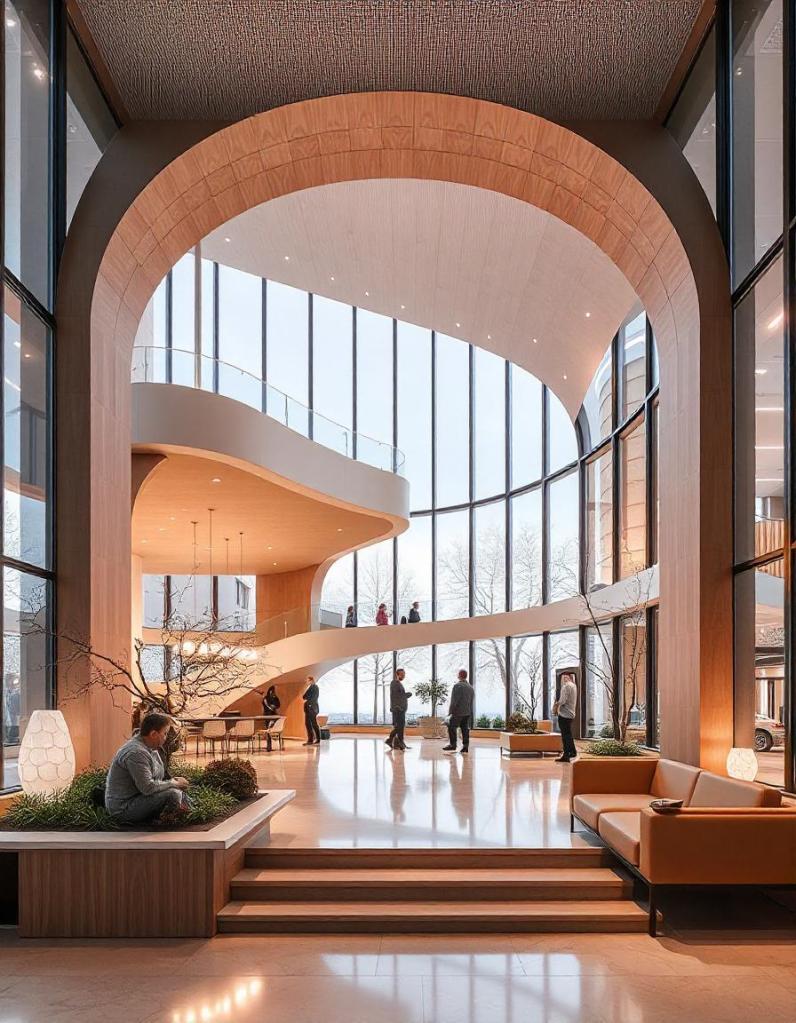
This level of interaction ensures a seamless, accessible experience for everyone, especially individuals with disabilities, by making spaces smarter and more intuitive.
2. Aging Population & Multi-Generational Spaces
As the global population ages, there is an increasing demand for designs that cater to seniors and the elderly. Future trends in universal design will focus on multi-generational living spaces. This means creating homes, workplaces, and public areas that can comfortably accommodate different age groups, from toddlers to the elderly, without sacrificing aesthetics or usability.

Expect to see more step-free access, adaptable kitchens, and ergonomic furniture in homes, and age-friendly outdoor spaces that promote physical activity and interaction. The future of universal design will emphasize aging in place, where homes are designed to support individuals throughout their lives.
3. Sustainable & Inclusive Designs
As environmental concerns grow, there is a push for designs that are not only inclusive but also sustainable. Future spaces must not only serve the needs of their occupants but also be environmentally responsible. Designers are now merging sustainability and inclusivity, focusing on materials that reduce carbon footprints while ensuring all users can benefit from the space.
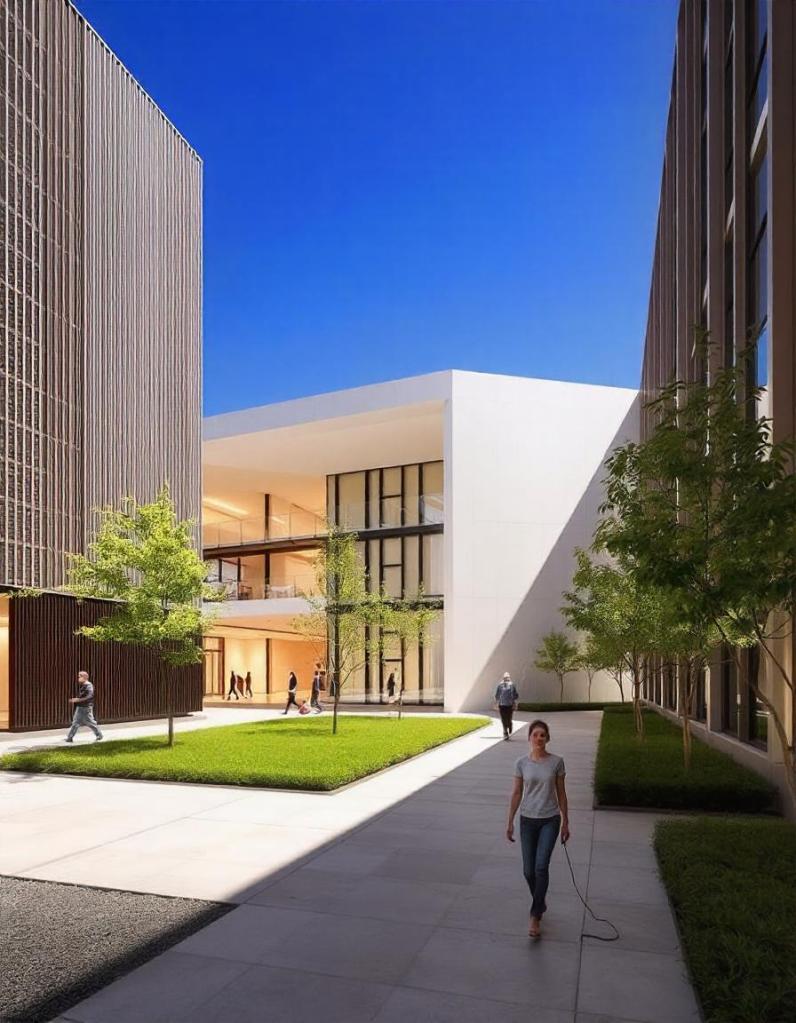
Passive design principles like natural lighting, efficient ventilation, and solar-powered assistive technologies will make buildings more inclusive and eco-friendly. The trend is moving toward spaces that are as good for people as they are for the planet.
4. Mental Health & Well-being in Design
The growing awareness around mental health has reshaped the way we think about space. Future trends in universal design will prioritize environments that support cognitive diversity and emotional well-being. This includes creating sensory-friendly spaces for individuals with autism, anxiety, or PTSD, and designing environments that promote relaxation and mental clarity.
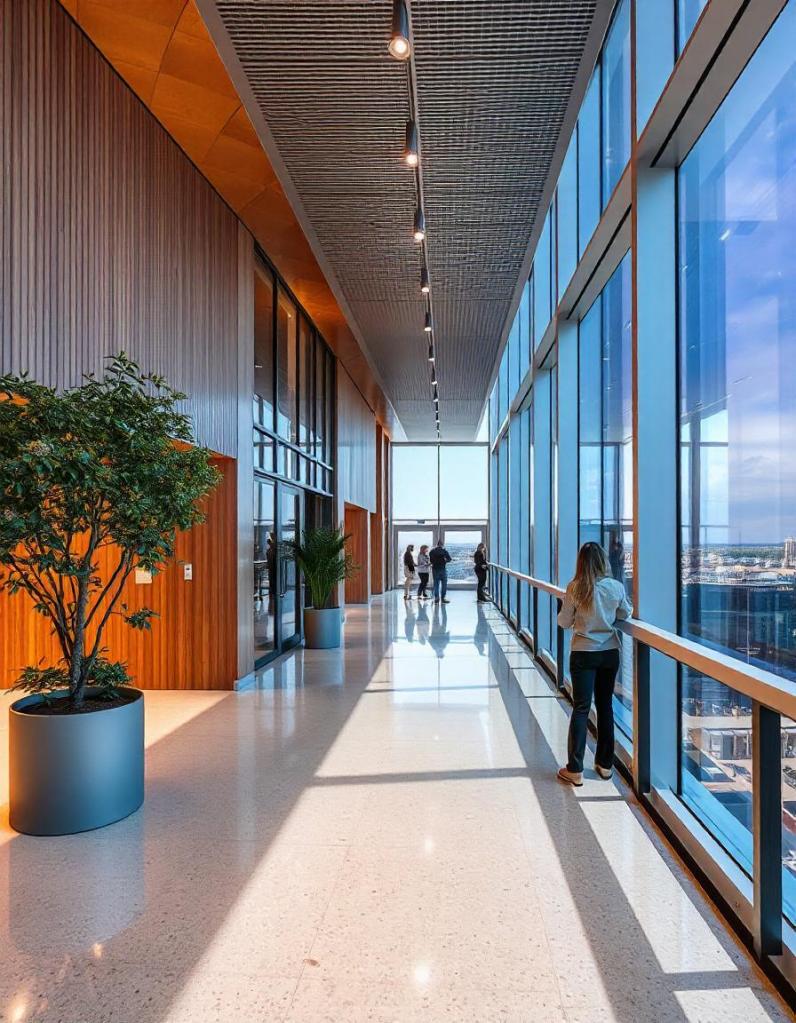
Biophilic design, which integrates nature into indoor spaces, will also become a significant component of universal design, helping to improve mental health by fostering a connection to nature.
5. Flexibility & Adaptability in Public Spaces
The future of public spaces lies in their ability to adapt to changing needs. Universal design will see an increase in modular and multi-functional spaces that can transform based on user requirements. For instance, a public plaza could be used for various purposes—community gatherings, markets, and recreational spaces—without needing structural changes.
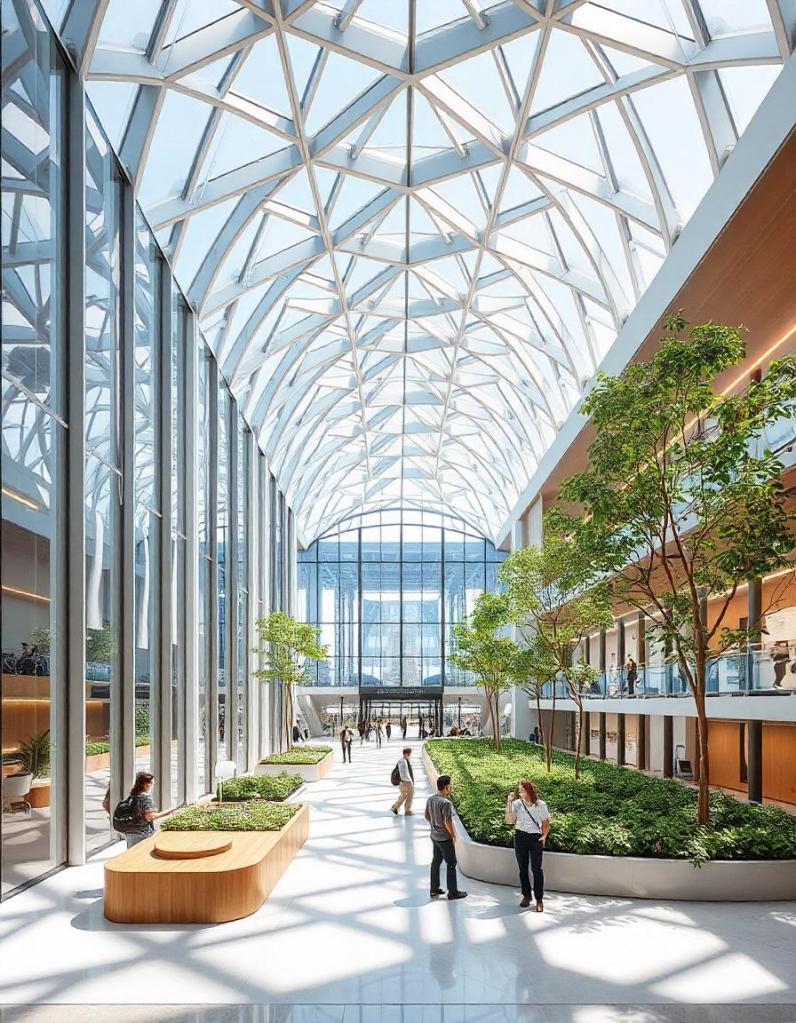
This flexibility ensures that public spaces remain relevant and usable as societal needs evolve. Future designs will focus on creating spaces that grow and adapt alongside their communities.
Looking Ahead: The Role of Designers in Shaping the Future
Designers have a critical role in shaping the future of universal design. By staying informed on emerging trends, they can create spaces that not only meet the current needs but also anticipate the needs of future generations. As we continue to address global challenges like aging populations, environmental sustainability, and mental health, designers must lead the way in creating truly inclusive spaces that prioritize dignity, respect, and accessibility.
Conclusion
Universal design is not a static field—it’s one that constantly evolves to meet the needs of an ever-changing world. By embracing trends like technology integration, multi-generational spaces, sustainable design, and mental health-focused environments, designers can create spaces that are both inclusive and future-proof. The key to successful universal design lies in its ability to anticipate future needs, ensuring that the spaces we create today remain accessible and relevant for generations to come.
#UniversalDesign #InclusiveArchitecture #FutureOfDesign #SustainableDesign #SmartSpaces #MentalHealthDesign #AdaptableSpaces #DesignForEveryone

 Design and Build Data