The shift towards human-centered design (HCD) in architecture has revolutionized how we think about buildings and spaces. Rather than focusing on the physical structure alone, this approach ensures that the design process caters to the emotional, physical, and social needs of the end users. By integrating these principles, architects are creating environments that go beyond functionality and aesthetics, delivering spaces that elevate user well-being and enhance the overall experience.
What Is Human-Centered Design in Architecture?
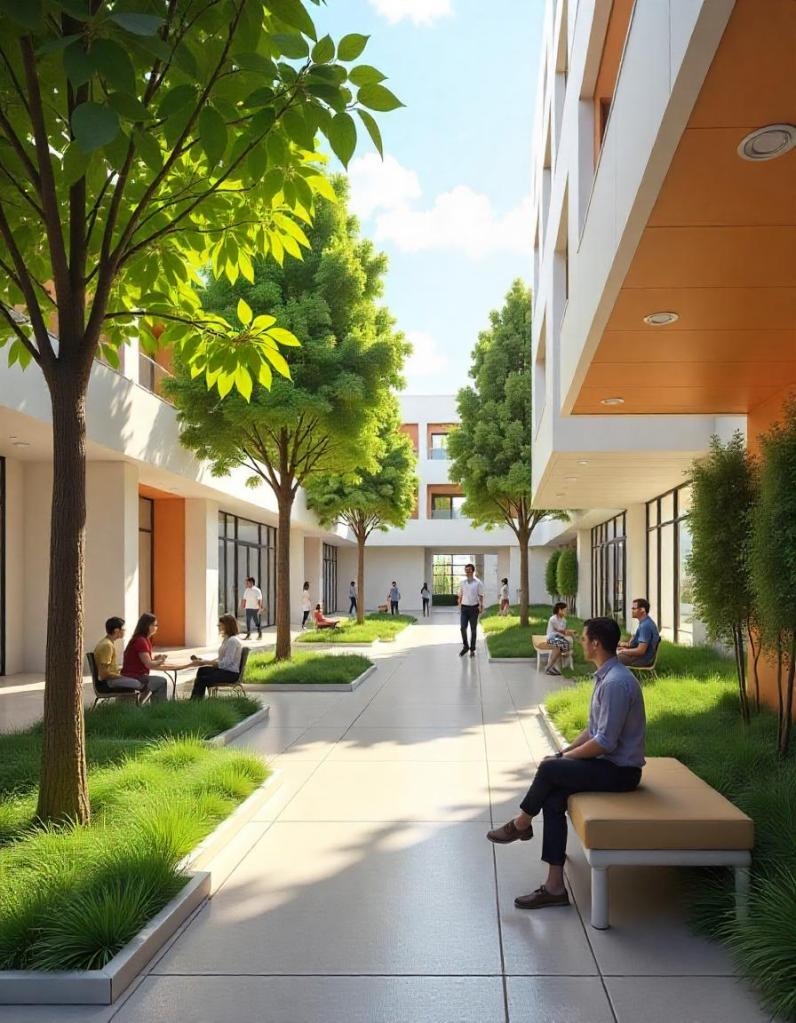
Human-centered design emphasizes the importance of creating spaces tailored to the users’ needs, activities, and emotions. In architecture, this involves conducting user research, employing empathy, and continuously gathering feedback throughout the design process. By doing so, architects can produce designs that resonate with people on a deeper level, creating environments that foster comfort, inclusivity, and adaptability.
Core Principles of Human-Centered Design in Architecture
- Empathy and User-Centric Solutions
At the heart of human-centered design is empathy. This involves gaining a deep understanding of the users’ needs, behaviors, and challenges. Architects achieve this through various research methods, including interviews, surveys, and direct observation. By placing the user at the center of the process, architects ensure that the final design responds to specific human needs, enhancing usability and comfort. - Flexibility and Adaptability
Human-centered design encourages flexibility in the design process, ensuring that spaces can evolve with changing user needs. For example, workplaces and educational buildings are often designed with flexible layouts to accommodate future modifications. This adaptability allows spaces to serve various functions over time, making them more sustainable and long-lasting. - Inclusivity and Accessibility
In human-centered architecture, inclusivity is crucial. This is achieved by integrating universal design principles, which ensure that spaces are accessible to everyone, regardless of age, ability, or background. Features such as ramps, tactile pavements, wider doorways, and visual cues make it easier for individuals with disabilities or other limitations to navigate spaces. Beyond physical accessibility, human-centered design also encourages social inclusivity, creating spaces that promote interaction and community engagement. - Sustainability and Well-being
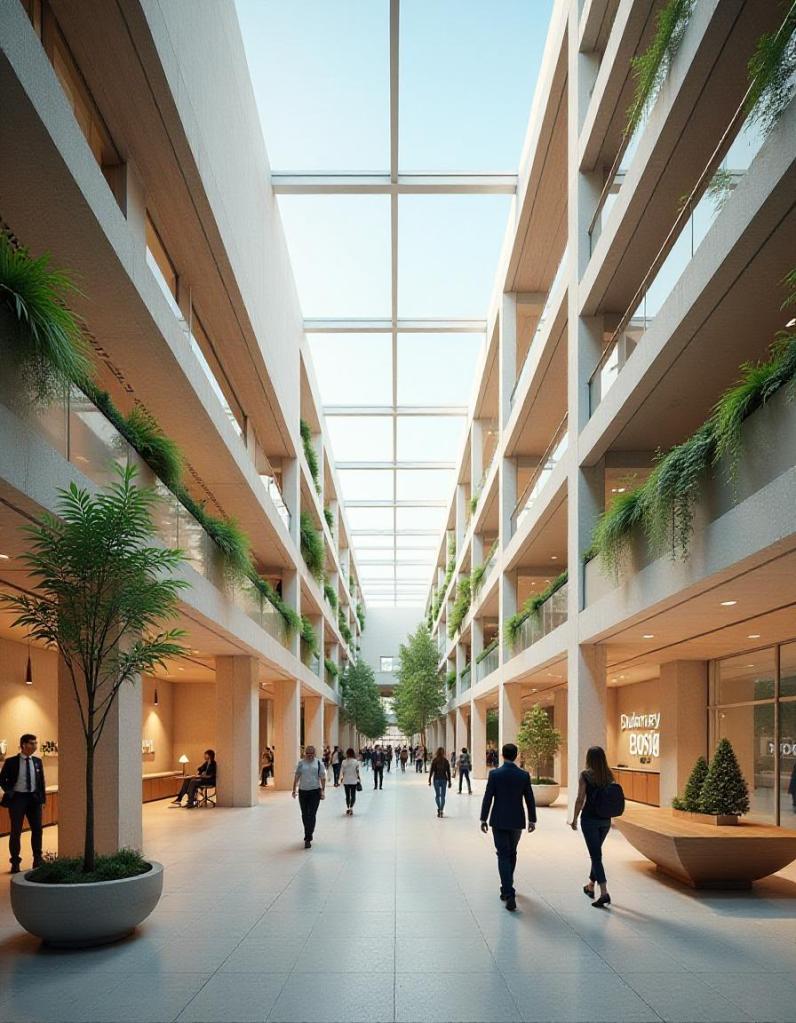
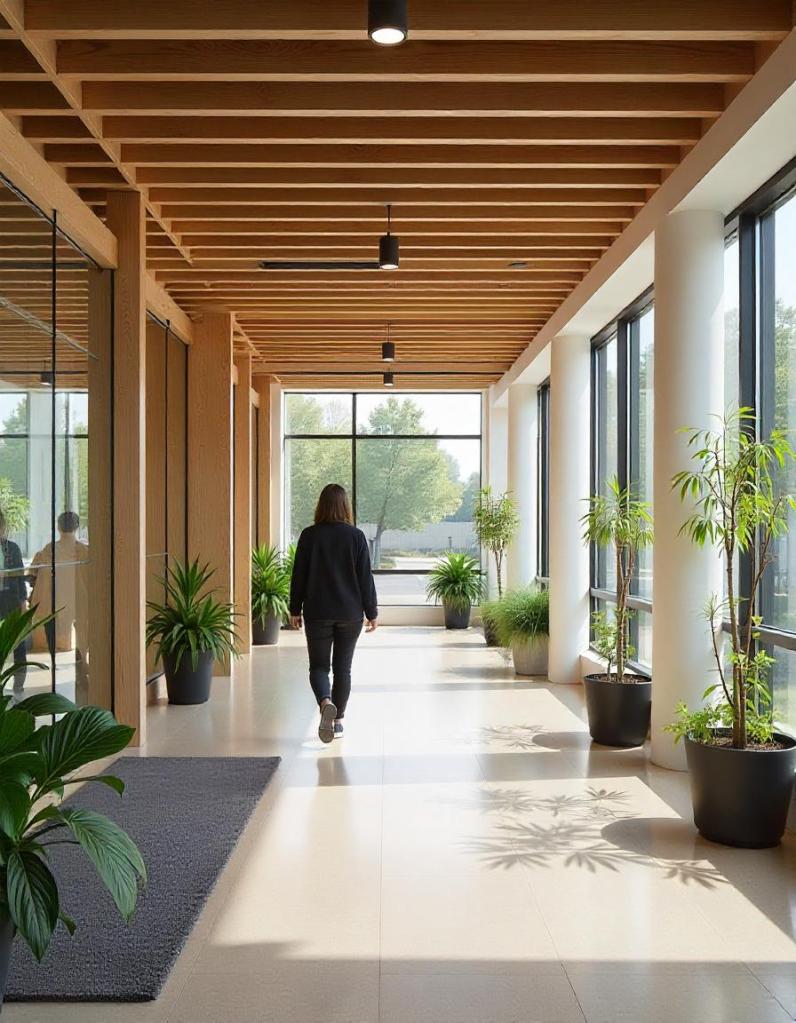
Human-centered design also closely aligns with sustainability, particularly in terms of environmental well-being. Incorporating natural elements such as light, greenery, and water into architectural designs promotes biophilic benefits, enhancing the well-being of building occupants. Buildings that prioritize natural ventilation, passive cooling systems, and energy efficiency improve both environmental sustainability and the mental and physical health of users.
Applying Human-Centered Design in Different Building Typologies
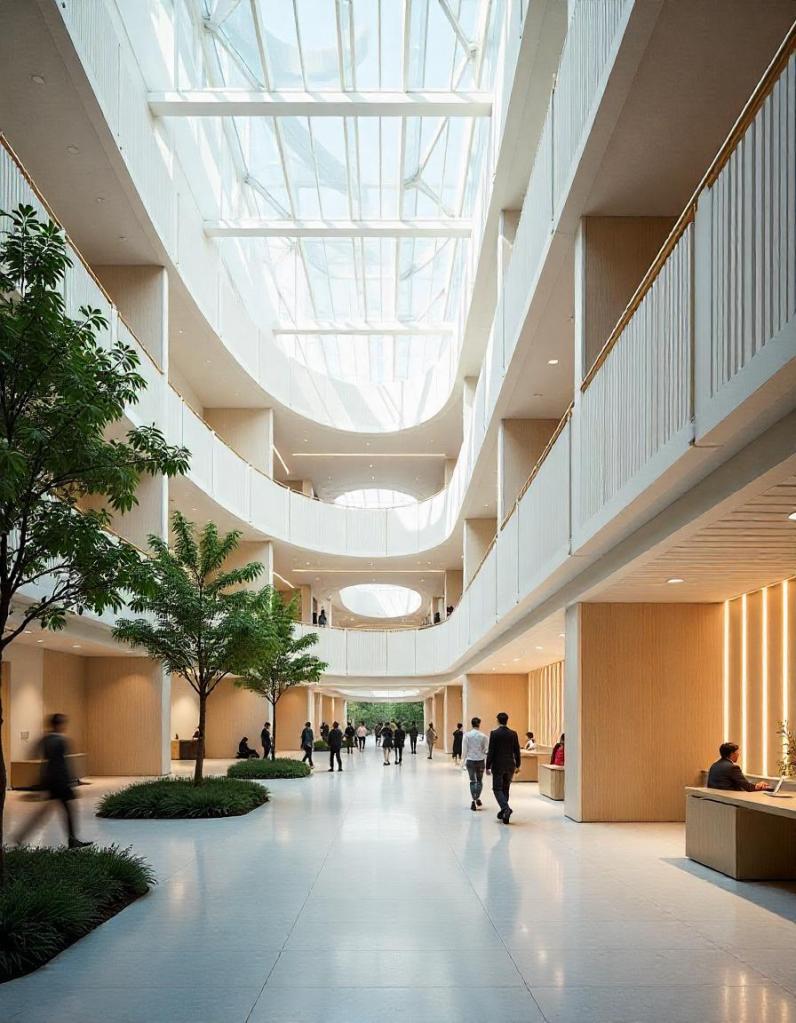
Human-centered design principles can be applied across various building types, each requiring a unique approach to address user needs effectively.
- Residential Architecture
Homes designed with a human-centered approach focus on the well-being, comfort, and emotional satisfaction of the occupants. Biophilic design elements, such as incorporating natural light and greenery, help create a calming environment that reduces stress. Personalization is key in residential architecture, with open layouts and smart home technologies allowing homeowners to adapt spaces to their changing needs. - Workplace Design
Offices that follow human-centered design principles create environments that support employee well-being and productivity. Collaborative spaces, relaxation areas, and ergonomic furniture are becoming standard features in modern workplaces. By incorporating these elements, architects ensure that employees feel comfortable and motivated, fostering a healthy and engaging work environment. - Healthcare Facilities
Hospitals and clinics are prime examples of how human-centered design can significantly impact user experience. By designing spaces that prioritize patient care and comfort, architects can reduce stress for both patients and staff. Elements like natural lighting, intuitive layouts, and quiet, private areas create a more positive and calming environment. Human-centered design in healthcare also focuses on wayfinding, ensuring that the building’s layout is easy to navigate, which is particularly important in high-stress settings like emergency rooms. - Public Spaces and Urban Design
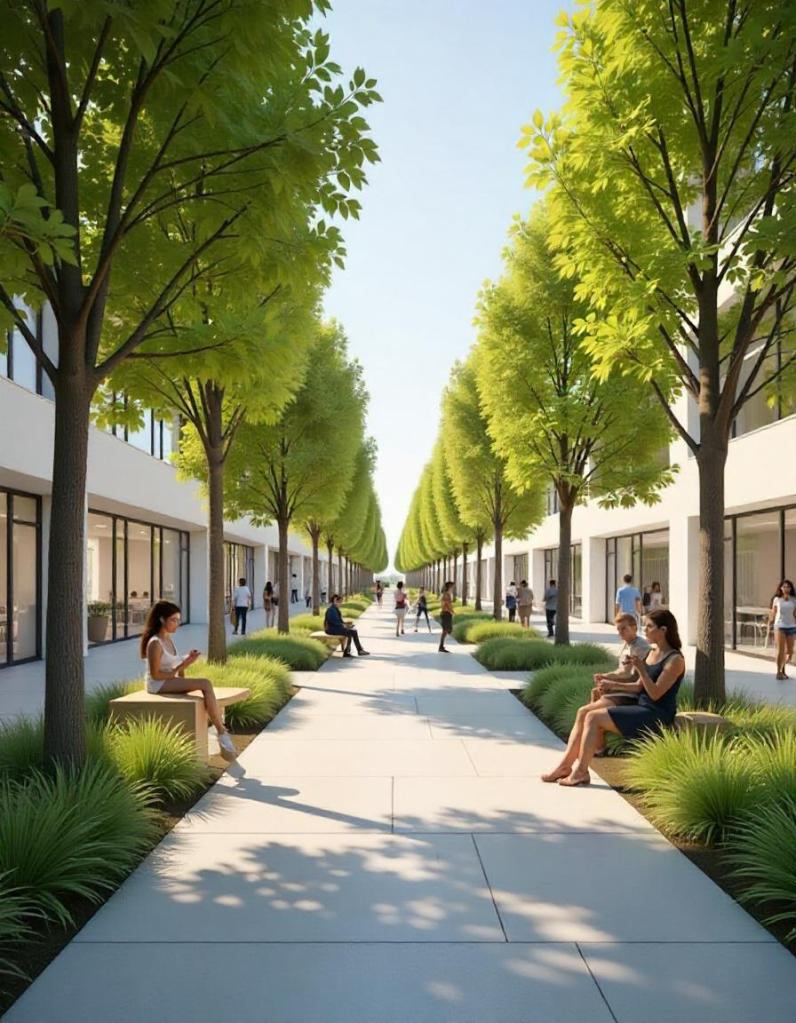
In urban design, human-centered principles create public spaces that are inclusive, accessible, and encourage social interaction. Parks, plazas, and pedestrian-friendly streetscapes designed with a human-centered focus invite communities to gather, interact, and build social connections. Designing these spaces to be accessible to all ensures that they are truly public and inclusive, fostering a sense of belonging in urban environments.
Technology’s Role in Human-Centered Design
Advancements in technology are significantly enhancing human-centered design in architecture. Tools such as virtual reality (VR), smart building systems, and data-driven design are helping architects better understand and respond to user needs.
- Virtual Reality (VR) and User Testing
VR allows users to immerse themselves in a digital version of a building before it’s constructed, offering valuable insights and feedback. This technology enables architects to refine designs based on real-time user experiences, ensuring that the final space will meet the needs and expectations of its users. - Smart Buildings and Automation
Smart technologies are making buildings more responsive to user needs by automating environmental controls such as lighting, heating, and air quality. These systems create more comfortable and energy-efficient environments by adjusting conditions based on occupancy, time of day, and weather conditions. - Data-Driven Design
Data analytics can inform design decisions by providing insights into how people interact with spaces. By analyzing foot traffic, usage patterns, and other behavioral data, architects can optimize layouts to improve flow, functionality, and user experience.
The Future of Human-Centered Design in Architecture
As human-centered design continues to evolve, it will play an even more critical role in shaping our built environment. Future trends may include:
- Neurodiverse Architecture:
Designing spaces that accommodate individuals with neurodiverse conditions such as autism, ADHD, or sensory processing disorders, creating more inclusive environments for all. - Adaptive Reuse:
Reimagining existing buildings to meet new user needs rather than demolishing and rebuilding, aligning with both sustainability and human-centered design principles. - Biophilic Cities:
Expanding biophilic design principles on a city-wide scale, incorporating nature into urban areas to improve residents’ well-being and overall quality of life.
Conclusion
Human-centered design in architecture is fundamentally about creating spaces that enhance human well-being, comfort, and experience. By focusing on the user, architects can design buildings that are more adaptable, inclusive, and sustainable. As this design approach continues to shape the future of architecture, we can expect buildings and spaces that not only serve functional purposes but also enrich the lives of those who inhabit them.
#HumanCenteredDesign #ArchitectureDesign #UserExperience #BiophilicDesign #SmartBuildings #FlexibleSpaces #SustainableArchitecture #InclusiveDesign #NeurodiverseArchitecture

 Design and Build Data
Hi! Trying to grow my blog. Follow for follow back? Sincerely, Mikayla Scotlynd Littrell (MetsMadness the blog)😄
LikeLike