In an increasingly digital world, the integration of data-driven insights into architectural design has revolutionized the way we understand and create spaces. Data-driven design leverages information from analytics to make informed decisions about the layout, flow, and functionality of buildings, leading to more efficient, user-friendly environments.
Traditionally, architecture relied heavily on an architect’s experience and intuition to create functional spaces. While this approach has yielded iconic buildings, it often lacked the ability to objectively measure how users interacted with these spaces post-occupancy. Data-driven design fills this gap by providing concrete insights into user behavior, allowing architects to optimize their designs for greater efficiency and user satisfaction.
This article delves into how data-driven design works, its benefits, and how it is transforming architectural practices to enhance the built environment.
What is Data-Driven Design in Architecture?
Data-driven design refers to the use of quantitative data and analytics to inform architectural and urban design decisions. Through the collection and analysis of data such as foot traffic, usage patterns, and behavioral trends, architects can gain valuable insights into how spaces are used and experienced. This allows for the optimization of designs to better meet the needs of users.
Common sources of data in architecture include:
- Sensors and IoT Devices: Smart sensors can track movement patterns, energy usage, temperature fluctuations, and more within a building.
- Surveys and User Feedback: Collecting qualitative and quantitative data from building occupants provides insights into how spaces function in practice.
- Social Media and Public Data: Analyzing social media check-ins, geotagged posts, and public records of building usage.
- Big Data Analysis: Using massive datasets to understand patterns in human behavior on a broader scale.
- Historical Data: Leveraging existing datasets from similar projects or the building’s previous iterations.
By compiling and analyzing this data, architects and designers can develop spaces that are more responsive to user needs and behaviors.
The Role of Behavioral Data in Design Optimization
Understanding how users interact with space is key to improving both the functionality and aesthetic value of a building. Data on user movements, occupancy rates, and time spent in specific areas can reveal important patterns, leading to informed design changes that benefit both users and building operators.
Foot Traffic Analysis
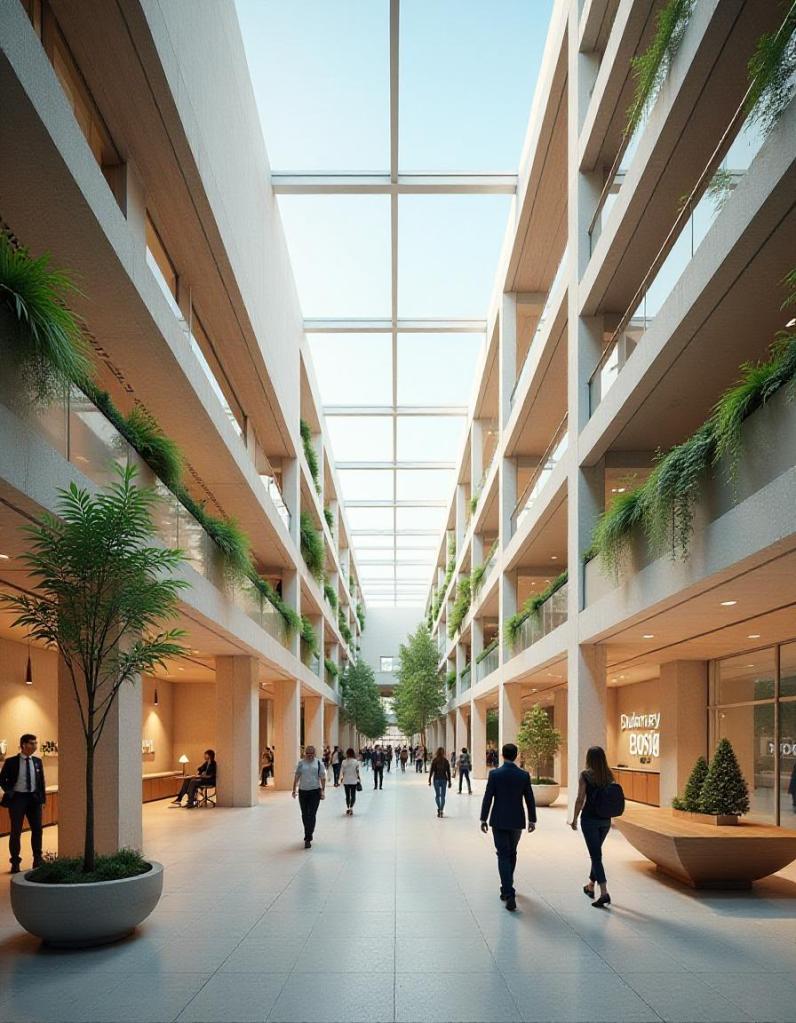
One of the most significant types of data used in architecture is foot traffic analysis. By tracking how people move through spaces—such as corridors, rooms, or public areas—designers can optimize the layout to facilitate better flow. For example, areas that frequently experience bottlenecks or overcrowding can be redesigned to alleviate congestion, enhancing overall user comfort.
Case Study: Retail Spaces
In retail architecture, understanding foot traffic patterns is critical to optimizing store layouts. Retailers can analyze data to determine which areas attract the most customers and how product placement influences buying decisions. With this insight, architects can design store layouts that not only improve customer experience but also boost sales.
Usage Patterns
Data-driven design also involves analyzing usage patterns—the ways in which different areas of a building are utilized over time. This information helps architects make decisions about the allocation of space and resources, ensuring that underutilized areas are repurposed or redesigned to increase efficiency.

For instance, in an office building, data might show that certain meeting rooms are underused, while others are constantly in demand. This information can lead to redesigns that balance the space more effectively, such as creating more collaborative areas or smaller meeting rooms.
Behavioral Data
Behavioral data is another crucial component of data-driven design. By studying how people behave within a space—whether they tend to linger, walk quickly, or avoid certain areas—architects can fine-tune the layout to better suit user needs. This data can come from a variety of sources, including video surveillance, motion sensors, and wearable technology that tracks movements.
Benefits of Data-Driven Design
Data-driven design offers numerous benefits for architects, developers, and users alike. By optimizing spaces based on real-world data, this approach enhances efficiency, sustainability, and user experience.
1. Improved User Experience
At the heart of data-driven design is the goal of improving the user experience. Whether it’s a retail store, an office, or a public park, spaces that are optimized using data are more likely to meet the needs and preferences of users. This can lead to increased user satisfaction and greater engagement with the space.
For example, an airport that uses data to monitor passenger flow can adjust its design to reduce wait times and improve overall passenger comfort. Similarly, a university campus might use data to redesign walkways and seating areas to create a more inviting atmosphere for students.
2. Enhanced Functionality
By understanding how different areas of a building are used, architects can create designs that are more functional and efficient. Data-driven insights can highlight areas that need improvement, whether that’s a poorly placed entrance, a lack of natural light, or inadequate seating in a public space. This leads to a more efficient use of space and resources.
Case Study: Smart Office Buildings
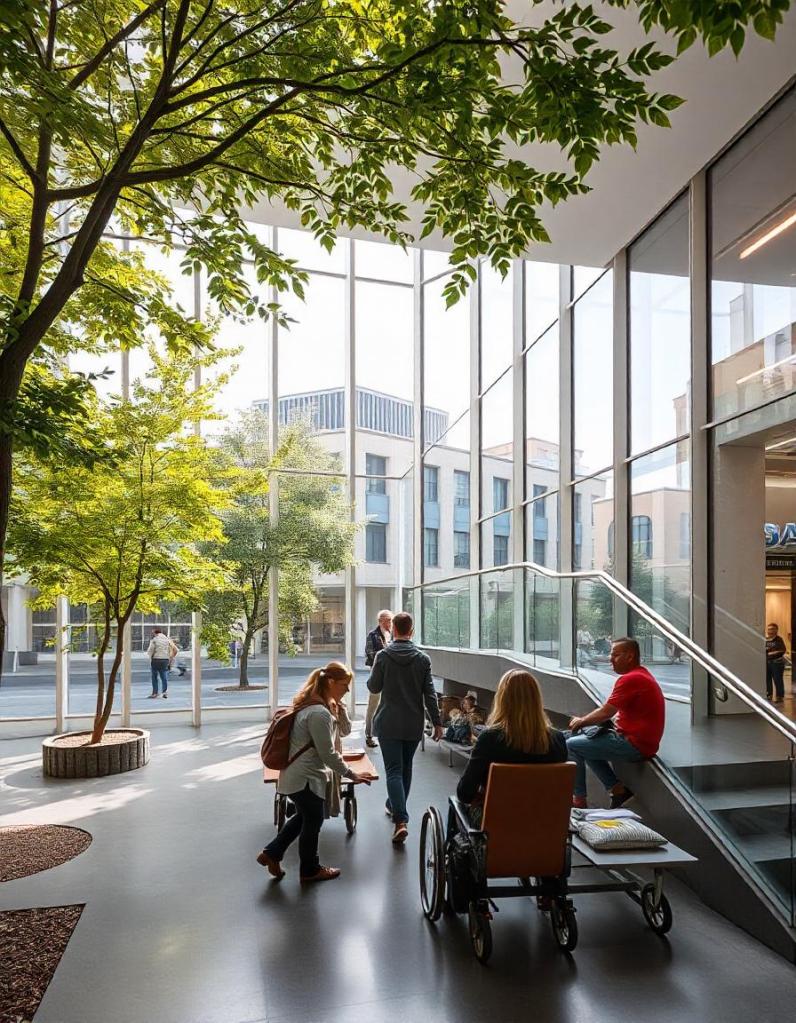
In smart office buildings, sensors can monitor factors like occupancy levels, temperature, and energy usage in real-time. Architects can use this data to optimize the layout, ensuring that workspaces are not only comfortable but also energy-efficient.
3. Increased Sustainability
Data-driven design also plays a crucial role in making buildings more sustainable. By analyzing data on energy consumption, water usage, and waste production, architects can identify opportunities to reduce the building’s environmental footprint. This can involve everything from installing energy-efficient lighting to redesigning the building’s layout to make better use of natural light.
In addition, data on occupancy patterns can be used to optimize heating and cooling systems, ensuring that energy is not wasted on unoccupied spaces.
4. Predictive Maintenance
Data-driven architecture extends beyond the design phase into building operation. By monitoring the condition of structural components, mechanical systems, and utilities, architects and facility managers can predict when maintenance is needed, preventing costly repairs or system failures. Predictive analytics helps in prolonging the life of a building by ensuring timely interventions.

Implementing Data-Driven Design: Tools and Techniques
Implementing data-driven design requires the right tools and techniques to collect, analyze, and interpret data. Some of the most important tools used in data-driven architecture include:
- Building Information Modeling (BIM): BIM integrates data into the design process, allowing architects to create digital models that incorporate data on materials, energy performance, and more. These models can be used throughout the building’s lifecycle, from design to construction to maintenance.
- IoT Devices and Sensors: Smart sensors can track a wide range of data points, from foot traffic to air quality. This data is then analyzed to inform design decisions.
- Data Visualization Tools: Data-driven design often relies on visual representations of data, such as heat maps or flow diagrams, to help architects understand patterns and trends. Tools like Tableau or Power BI are commonly used for this purpose.
- AI and Machine Learning Algorithms: AI and machine learning can analyze large datasets to identify patterns that humans might overlook. These technologies are increasingly being used in architecture to optimize building layouts and improve energy efficiency.
Challenges and Ethical Considerations in Data-Driven Design
While data-driven design offers significant benefits, it also presents challenges and ethical considerations.
1. Data Privacy
Collecting data on how people use spaces raises concerns about privacy. It’s important for architects and developers to ensure that they are collecting data in a way that respects user privacy and complies with regulations such as the General Data Protection Regulation (GDPR).
2. Data Interpretation
Interpreting data correctly is crucial to the success of data-driven design. If data is misinterpreted, it can lead to flawed design decisions that negatively impact user experience.
3. Balancing Data with Creativity
While data can provide valuable insights, it’s important to remember that architecture is also a creative field. Over-reliance on data may stifle creativity and lead to designs that are overly functional but lacking in aesthetic or cultural value.

Conclusion: The Future of Data-Driven Design
As technology continues to evolve, data-driven design will become an increasingly important tool in architecture. By providing insights into how people interact with spaces, data analytics can help architects create buildings that are more functional, sustainable, and user-friendly.
However, it’s important to strike a balance between data and creativity. While data-driven design offers many benefits, it should be used as one tool among many, helping architects make more informed decisions without losing sight of the artistic and cultural aspects of architecture.
In the future, we can expect to see more buildings that are not only beautiful but also designed to meet the needs of their occupants in smarter, more efficient ways.
#DataDrivenDesign #ArchitectureAnalytics #SmartBuildings #SustainableDesign #BehavioralData #FootTrafficAnalysis #ArchitectureInnovation #UserExperienceInDesign #AIInArchitecture #BIM

 Design and Build Data