In today’s world, creating inclusive environments that cater to people of all abilities is a fundamental principle in architectural design. Human-centered design emphasizes the need for accessibility, ensuring that spaces are not just functional but welcoming for everyone, regardless of age, physical abilities, or sensory needs. As societies strive for inclusivity, accessible architecture plays a key role in making public and private spaces usable and comfortable for everyone.
What is Human-Centered Design?
Human-centered design focuses on designing environments with the users’ needs at the forefront. It prioritizes functionality, comfort, and inclusivity to accommodate people of all abilities. This approach in architecture ensures that every individual can interact with the built environment with ease, promoting equality and autonomy.
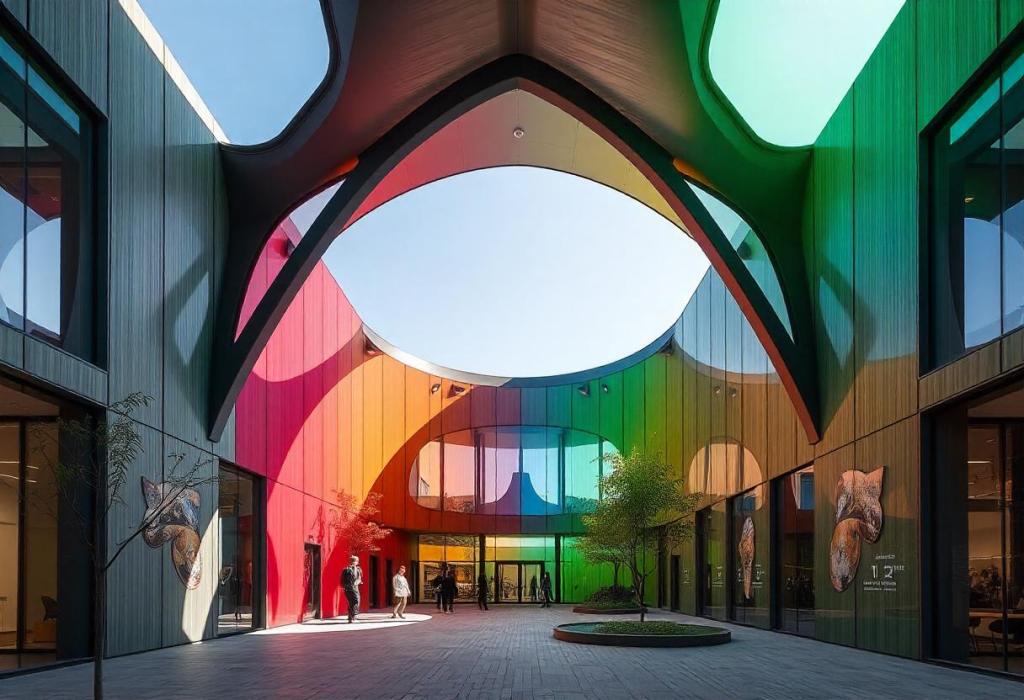
When we think of accessible architecture, it goes beyond just adding ramps or elevators. It’s about creating universal design elements that seamlessly integrate accessibility into the fabric of the building, ensuring inclusivity in every space.
Universal Design: A Framework for Inclusivity
Universal design is the cornerstone of human-centered design, aiming to create spaces that are usable by all people, without the need for adaptation. It eliminates barriers by providing features that accommodate everyone, regardless of physical, sensory, or cognitive abilities. The following are key elements of universal design in accessible architecture:

1. Ramps and Accessible Pathways
One of the most recognizable elements of universal design is the integration of ramps alongside staircases. Ramps provide access for wheelchair users, individuals with mobility impairments, and parents with strollers. Accessible pathways should have gentle slopes, non-slip surfaces, and handrails to assist users with varying mobility needs.
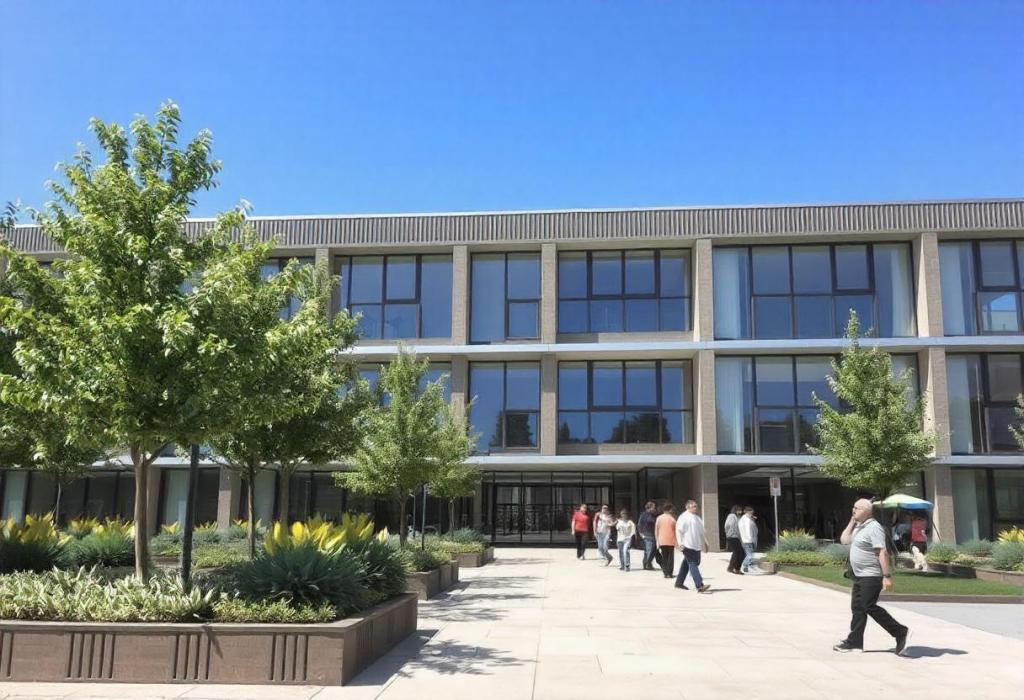
2. Sensory Spaces
Inclusive design takes into account the needs of people with sensory sensitivities, such as those with autism or sensory processing disorders. Sensory spaces are areas that provide a calm, controlled environment, free from overwhelming stimuli. These spaces are equipped with soft lighting, neutral colors, and tactile features that offer comfort and help reduce sensory overload.
3. Adaptable Environments
Adaptable design refers to spaces that can change and adjust to suit different needs. For example, in a workplace or public building, furniture that is adjustable in height, such as desks or counters, allows individuals in wheelchairs to have the same experience as their able-bodied counterparts. Flexible workspaces also accommodate various working styles, catering to the needs of neurodiverse individuals.
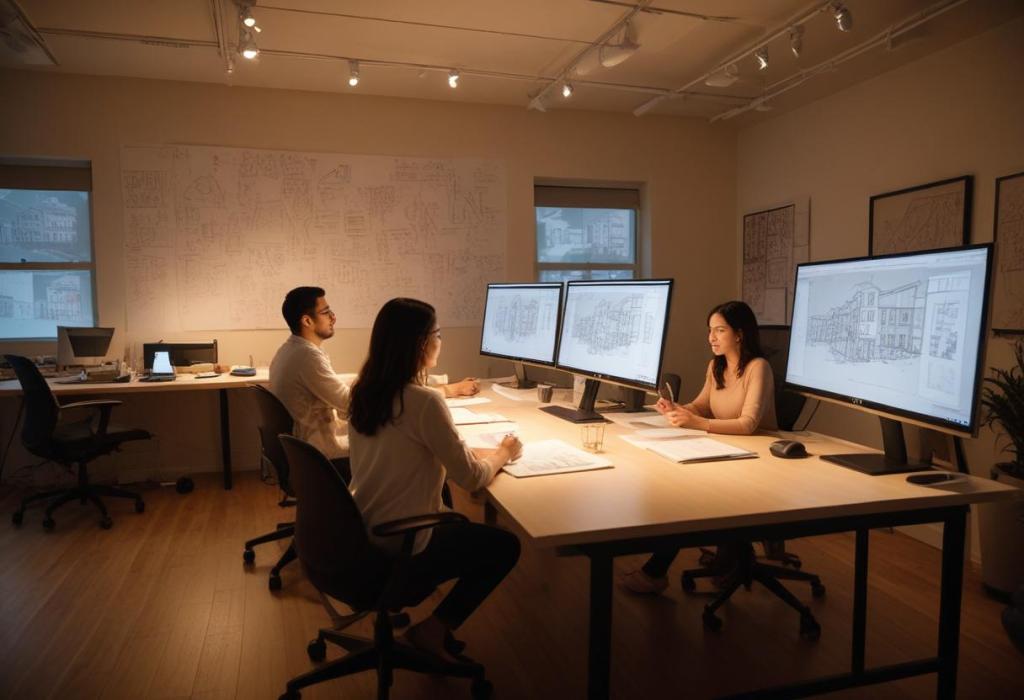
Enhancing Accessibility Through Technology
Advancements in smart technology and the Internet of Things (IoT) have significantly enhanced accessibility in architecture. Smart lighting, voice-activated systems, and automated doors are examples of how human-centered design incorporates technology to make spaces more accessible.
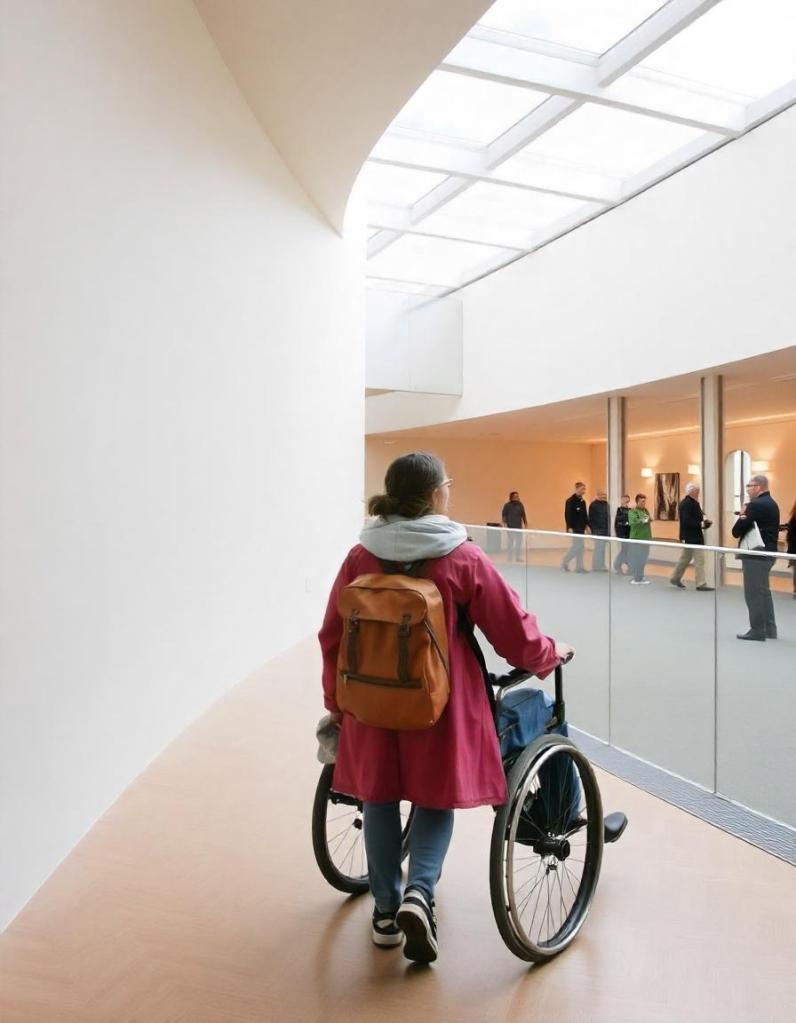
For instance, touch-free interfaces are particularly helpful in public spaces like airports and hospitals, where accessibility and hygiene are critical. These technologies allow individuals with mobility impairments or vision difficulties to navigate spaces more independently.
Prioritizing Accessibility from the Start
One of the key principles of human-centered design is considering accessibility from the outset of a project rather than retrofitting a space after it’s built. By incorporating universal design principles early on, architects ensure that accessibility is fully integrated into the building’s layout and design, rather than appearing as an afterthought.
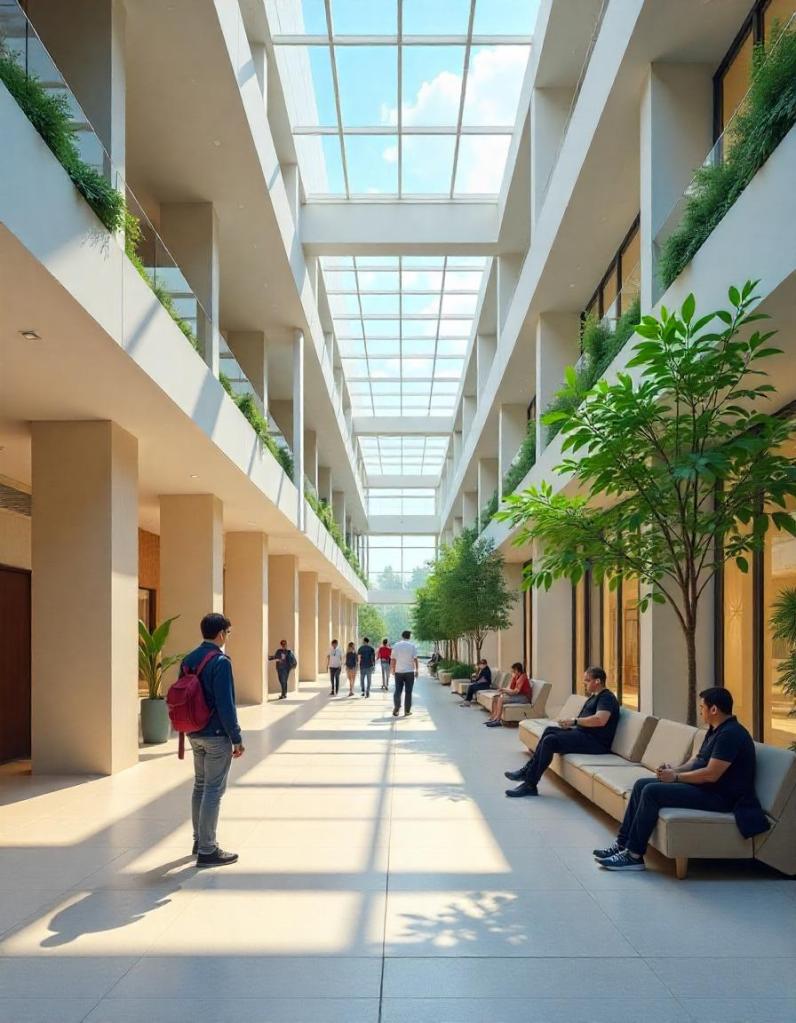
Example: Public Buildings
In public buildings such as museums, libraries, or government offices, architects must ensure that not only are entrances accessible, but that all facilities—bathrooms, signage, seating, and emergency exits—are usable by people of all abilities. Braille signage, tactile paving, and accessible restrooms with grab bars and sufficient space for maneuvering are all essential elements in ensuring true inclusivity.
The Social Impact of Inclusive Design
Inclusive design is about more than just functionality; it sends a message of equality and belonging. When people of all abilities can access and use the same spaces without feeling singled out or needing special accommodations, it promotes a sense of community and inclusivity. Human-centered design ensures that everyone, regardless of ability, can participate fully in society.
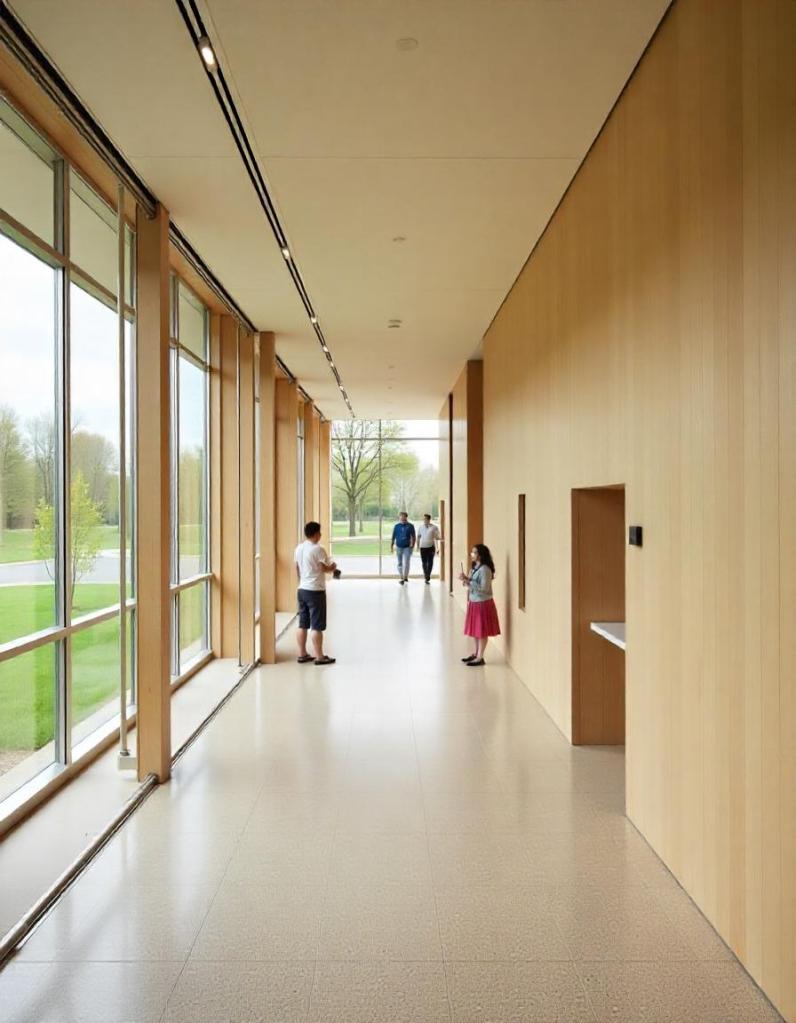
Moreover, buildings that embrace accessible architecture demonstrate a commitment to social responsibility, enhancing the reputation of businesses and public institutions alike. It also improves the quality of life for individuals with disabilities, providing them with greater independence and opportunities for engagement.
Conclusion: Designing a More Inclusive Future
The role of human-centered design in creating accessible architecture is vital for fostering inclusivity. By incorporating universal design elements like ramps, sensory-friendly spaces, and adaptable environments, architects can ensure that buildings are welcoming and functional for all users. As technology continues to evolve, the possibilities for enhancing accessibility will expand, making it easier than ever to design spaces that meet the needs of everyone.
By prioritizing inclusivity from the start, we can create environments where everyone, regardless of ability, feels empowered and valued.

 Design and Build Data