Eco design, or sustainable architecture, has emerged as an essential discipline within the architectural profession, driven by the urgent need to mitigate climate change and reduce the ecological footprint of the built environment. This approach integrates advanced technologies and innovative methodologies to create buildings that are not only energy-efficient but also socially and economically sustainable, promoting environmental stewardship throughout a structure’s lifecycle.
1. Understanding Eco Design in Architecture
Eco design focuses on minimizing a building’s environmental impact by considering its entire lifecycle, from material selection and construction techniques to energy consumption and waste management during operation. The overarching objective is to harmonize buildings with the natural environment while maintaining or enhancing occupant comfort and operational efficiency.
Key elements of eco design include:
- Sourcing low-embodied energy materials to minimize carbon emissions.
- Life-cycle analysis (LCA) to assess the long-term environmental impact of construction materials.
- Optimized building orientation and site-specific designs that leverage local environmental conditions.
- Advanced Building Management Systems (BMS) for efficient energy use and climate control.
2. Core Principles of Eco Design
Sustainable architecture adheres to several key principles to ensure reduced resource consumption and enhanced ecological integration:
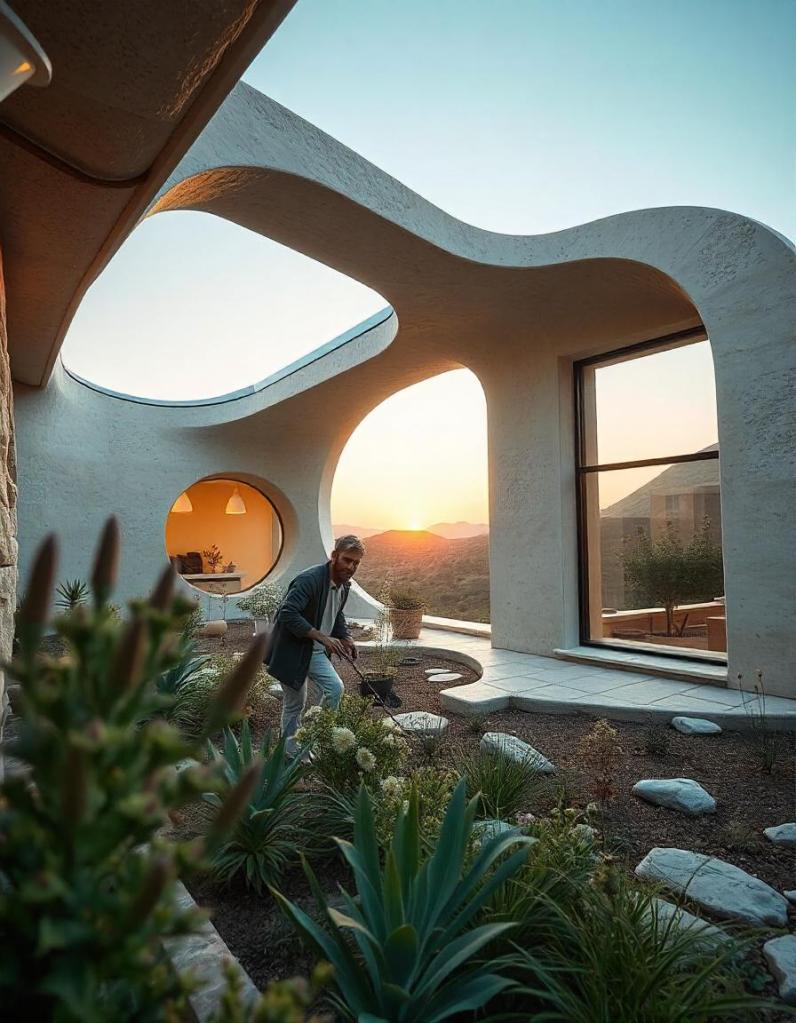
- Energy Efficiency: Passive design strategies—such as thermal massing, advanced insulation techniques, and high-performance glazing—are foundational. Passive solar design optimizes the use of natural light and solar gain, while innovations like photovoltaic façades further enhance energy independence by generating renewable energy on-site.
- Water Efficiency: Incorporating greywater recycling systems, rainwater harvesting, and xeriscaping for landscape management reduces freshwater consumption and enhances the overall sustainability of the building. Low-flow plumbing fixtures and water-efficient irrigation systems contribute to the building’s water footprint reduction.
- Material Selection: The focus is on materials with low embodied energy, like recycled steel, cross-laminated timber (CLT), and rammed earth, all of which offer superior sustainability profiles. Material selection is informed by cradle-to-cradle principles, ensuring that products can be reused or recycled at the end of their lifecycle.
- Minimizing Environmental Impact: By employing prefabricated construction methods and modular building techniques, architects can significantly reduce onsite waste and energy use. Local sourcing of materials minimizes transportation emissions, while low-VOC (volatile organic compounds) paints and finishes improve indoor air quality.
3. Innovative Eco-Friendly Technologies
Sustainable architecture increasingly integrates cutting-edge technologies to enhance building performance, reduce energy consumption, and optimize resource use:

- Building-Integrated Photovoltaics (BIPV): Photovoltaic panels are incorporated directly into the building envelope, including façades and roofs, blending aesthetic considerations with renewable energy generation.
- Green Roofs and Living Walls: These features enhance insulation, reduce urban heat island effects, and support biodiversity. Green infrastructure can manage stormwater runoff while also providing an additional layer of thermal insulation, improving the building’s energy efficiency.
- Geothermal HVAC Systems: Utilizing the stable underground temperature, geothermal heat pumps provide an efficient and renewable method for heating and cooling buildings. This reduces the building’s dependency on fossil fuels and ensures a lower carbon footprint.
- Advanced Building Automation Systems (BAS): These systems use real-time data from sensors to regulate lighting, heating, ventilation, and air conditioning (HVAC), as well as other building operations. Automated systems ensure the building uses only the energy required at any given moment, significantly cutting down waste.
4. Benefits of Eco Design in Architecture
Eco design offers far-reaching benefits, extending beyond environmental conservation to include economic, social, and health advantages:

- Environmental Impact: Reducing carbon emissions, lowering energy use, and implementing waste management strategies directly contribute to combating climate change and resource depletion. Net-zero energy buildings (NZEB) and carbon-neutral structures are the ultimate benchmarks in sustainable architecture.
- Economic Gains: Although the upfront costs for eco-designed buildings may be higher, the life-cycle cost analysis (LCCA) demonstrates considerable savings due to lower operational costs, energy savings, and reduced maintenance expenses. Moreover, green certifications like LEED (Leadership in Energy and Environmental Design) or BREEAM (Building Research Establishment Environmental Assessment Method) often increase property value and marketability.
- Occupant Health and Well-being: By improving indoor air quality with air purification systems and maximizing natural ventilation, eco-designed buildings enhance the overall health of occupants. Natural daylighting strategies and the use of non-toxic materials ensure a healthier indoor environment that promotes both physical and mental well-being.
5. Challenges of Implementing Eco Design
While eco design provides numerous benefits, it also faces technical and regulatory challenges:

- High Initial Costs: The upfront capital investment in green technologies like solar PV systems, geothermal heat pumps, and high-performance building materials can be significant. However, government subsidies, tax incentives, and reduced long-term operating costs often offset these initial expenditures.
- Technical Expertise: Sustainable architecture requires specialized knowledge in green building codes, energy modeling, and sustainable urban planning. The learning curve for integrating new technologies can be steep, requiring continuous professional development for architects and engineers.
- Regulatory Barriers: In some jurisdictions, building codes or zoning laws may not yet accommodate innovative sustainable design practices, slowing down the adoption of eco design principles.
6. The Future of Eco Design in Architecture
Looking ahead, the future of eco design is shaped by emerging technologies and evolving environmental challenges. The next frontier in eco design is regenerative architecture, which not only minimizes harm but also seeks to restore and improve natural ecosystems. Biophilic design and nature-based solutions will become more prominent, integrating natural systems into urban environments.

Buildings of the future will likely rely on artificial intelligence (AI) to optimize energy performance in real-time, while 3D printing and robotic construction methods will reduce construction waste and improve precision in sustainable building practices.
Conclusion
Eco design in architecture is critical to addressing global environmental challenges. By prioritizing energy efficiency, sustainable material use, and cutting-edge green technologies, eco-designed buildings can help create a more sustainable, healthy, and equitable future. As the architectural industry continues to innovate, eco design will play a leading role in shaping the cities and communities of tomorrow.
#EcoDesign #SustainableArchitecture #GreenBuilding #RenewableEnergy #EnergyEfficiency #NetZero #SmartBuildings #LEED #GreenTechnology #SustainableLiving

 Design and Build Data