As the world increasingly shifts towards renewable energy, Building-Integrated Photovoltaics (BIPV) has emerged as a groundbreaking innovation in sustainable architecture. Unlike traditional solar panels that are mounted on top of a building, BIPV seamlessly integrates photovoltaic materials into a building’s structure, serving both as functional building components and renewable energy generators. This dual-purpose technology has gained significant traction due to its ability to blend aesthetics with energy efficiency, offering a future-forward solution for sustainable urban development.
What is BIPV?
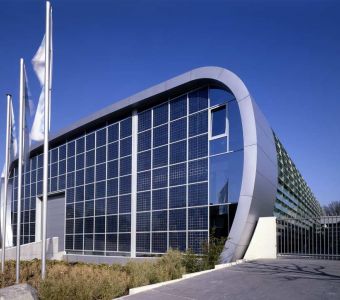
Building-Integrated Photovoltaics (BIPV) refers to the integration of photovoltaic materials into the outer layers of buildings, such as facades, roofs, windows, and skylights. These materials convert sunlight into electricity while serving as a vital part of the building’s envelope, eliminating the need for additional, stand-alone solar installations. BIPV systems can be made from various types of solar cells, including thin-film, monocrystalline, and polycrystalline technologies, depending on the design and energy requirements of the building.
Key Benefits of BIPV
1. Aesthetic Integration:
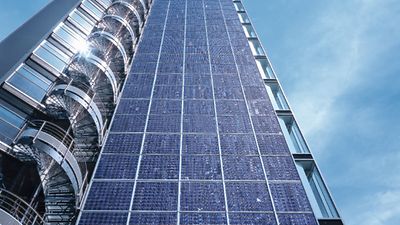
One of the most significant advantages of BIPV is its ability to enhance building aesthetics. Unlike traditional solar panels, which can be bulky and visually intrusive, BIPV systems can blend seamlessly into a building’s design. This allows architects and developers to maintain clean, modern aesthetics while meeting energy efficiency goals. BIPV can be customized to match different styles, colors, and materials, ensuring the design is both functional and visually appealing.
2. Energy Efficiency and Cost Savings:
BIPV systems generate renewable energy on-site, reducing the building’s reliance on fossil fuels. By converting sunlight into electricity, these systems significantly lower energy bills and reduce greenhouse gas emissions. In many cases, BIPV can contribute to net-zero energy buildings, where the energy generated equals the energy consumed. Over time, the cost savings from reduced energy consumption offset the initial investment in BIPV technology, making it a cost-effective solution in the long term.

3. Space Optimization:
Traditional solar panels require additional space, often leading to complex installation challenges on rooftops. BIPV, on the other hand, integrates directly into the building’s existing surfaces, eliminating the need for extra structural support or dedicated solar areas. This makes BIPV particularly valuable in urban environments where space is at a premium.
4. Sustainability and Environmental Impact:
As an environmentally friendly technology, BIPV supports the broader goals of sustainable architecture by reducing carbon footprints and promoting energy independence. By using renewable energy sources and reducing the need for conventional building materials, BIPV minimizes resource consumption and waste. This technology aligns with green building certifications like LEED (Leadership in Energy and Environmental Design), helping projects meet strict environmental standards.

BIPV Applications in Architecture
BIPV can be applied in various ways across different building components:
- BIPV Roofing:
BIPV materials can replace conventional roofing materials, such as tiles or shingles, and generate electricity while protecting the building from the elements. These systems are ideal for sloped roofs in residential and commercial buildings. - BIPV Facades:
Photovoltaic modules can be incorporated into curtain walls, cladding, or other vertical surfaces. This is particularly useful for high-rise buildings where rooftop space is limited. The facades can produce energy while providing insulation and weather protection. - BIPV Skylights and Windows:
Specialized photovoltaic glass can be used in windows and skylights, allowing natural light to enter while generating energy. This innovation is perfect for maximizing daylighting in office buildings or homes while reducing energy costs.
Challenges and Considerations
While BIPV offers numerous advantages, it is not without challenges. One of the primary barriers is cost. The initial investment for BIPV materials and installation can be higher than traditional building materials and standalone solar panels. However, when factoring in the long-term energy savings and reduced maintenance, the return on investment (ROI) can be significant.
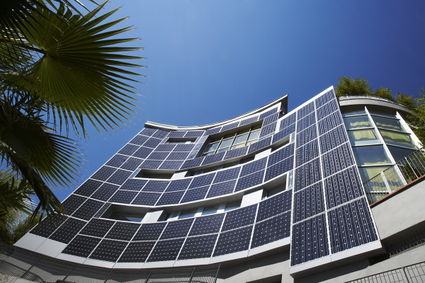
Another consideration is efficiency. Although BIPV systems provide the dual function of building materials and energy generators, they may not be as efficient as conventional solar panels in some cases. Architects and engineers must carefully assess the building’s orientation, climate, and shading to optimize BIPV performance.
Lastly, regulatory and code compliance can be a hurdle, as BIPV technology may not be explicitly addressed in all local building codes. It’s essential to consult with local authorities and professionals experienced in sustainable architecture to ensure compliance with regulations.
Future Trends in BIPV
The future of BIPV looks promising as advancements in photovoltaic technology continue to enhance its performance and affordability. Emerging materials like organic photovoltaics (OPV) and perovskite solar cells are expected to improve efficiency and offer more design flexibility. These materials are lightweight and can be applied to various building surfaces, opening up new possibilities for BIPV integration.
In addition, governments around the world are implementing policies and incentives that promote the adoption of renewable energy technologies like BIPV. As sustainability becomes a central focus of urban planning, BIPV will likely become a standard feature in new construction projects, contributing to the rise of smart cities and net-zero energy buildings.
Conclusion
Building-Integrated Photovoltaics (BIPV) is a game-changer in the world of sustainable architecture. By seamlessly integrating renewable energy generation into building designs, BIPV offers an efficient, aesthetically pleasing, and eco-friendly solution for modern construction. As the technology evolves and becomes more accessible, BIPV will play a crucial role in shaping a more sustainable and energy-efficient future for urban environments.
Ready to explore how BIPV can transform your next project? Consider incorporating this cutting-edge technology into your designs for a greener, more efficient tomorrow.
#BIPV #SustainableArchitecture #GreenBuilding #RenewableEnergy #SolarPower #EnergyEfficiency #BuildingDesign #SmartBuildings #NetZero

 Design and Build Data