The construction industry has long been criticized for its environmental impact, from excessive material waste to high carbon emissions. However, recent innovations in biodegradable building materials are paving the way for a more sustainable future. These materials, which include mycelium, bamboo, and hempcrete, are not only eco-friendly but also offer aesthetically pleasing and functional solutions for modern architecture. By integrating biodegradable materials into construction, architects can contribute to circular architecture, a concept that emphasizes sustainability, reusability, and minimal waste.
What is Circular Architecture?
Circular architecture is a design approach focused on reducing waste and reusing materials throughout a building’s lifecycle. In contrast to traditional construction methods that follow a linear path—extract, build, use, and dispose—circular architecture emphasizes a closed-loop system. Materials are chosen for their ability to be recycled, repurposed, or biodegraded at the end of their life cycle, reducing the environmental footprint.
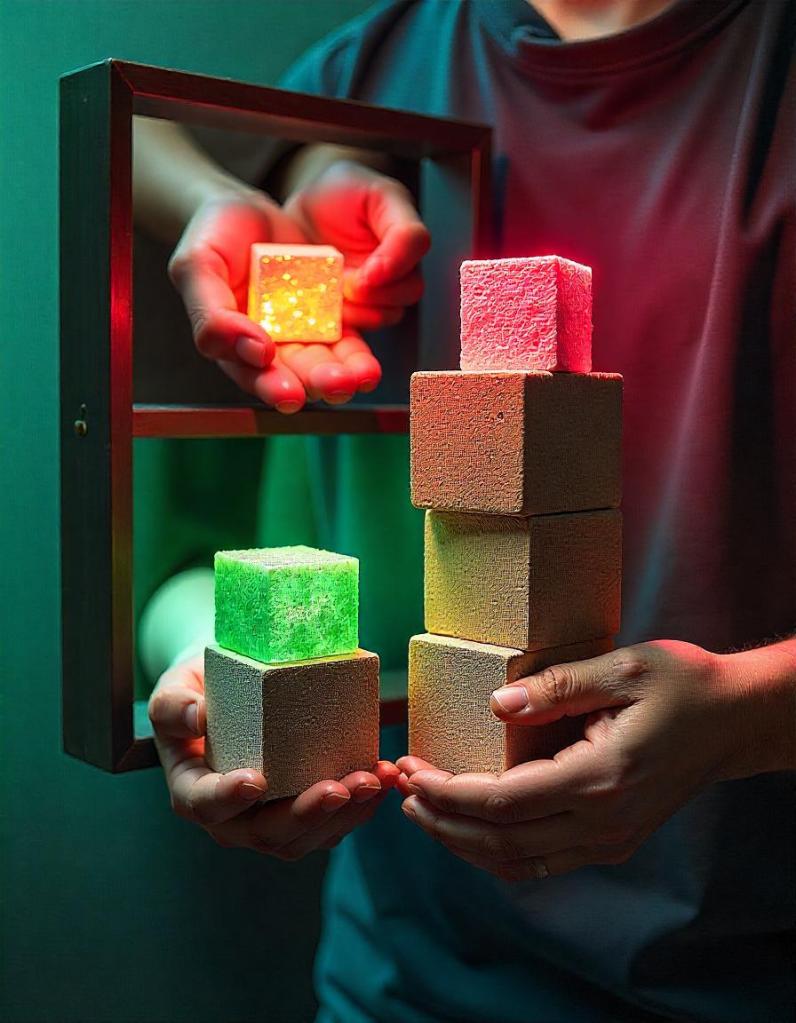
Biodegradable building materials are at the core of this approach, as they decompose naturally without harming the environment. Let’s explore some of the most innovative materials driving this shift towards sustainability.
1. Mycelium: The Living Building Material
Mycelium, the root structure of fungi, is quickly gaining attention as a revolutionary building material. It grows by feeding on organic matter, and once harvested, it can be molded into various forms. Mycelium is lightweight, durable, and has impressive insulating properties, making it ideal for insulation panels, bricks, and even furniture.
One of the standout benefits of mycelium is that it’s 100% biodegradable. Once a building made from mycelium reaches the end of its lifespan, the material can naturally decompose without leaving behind harmful residues. Mycelium can also be grown with minimal resources, contributing to its sustainability.
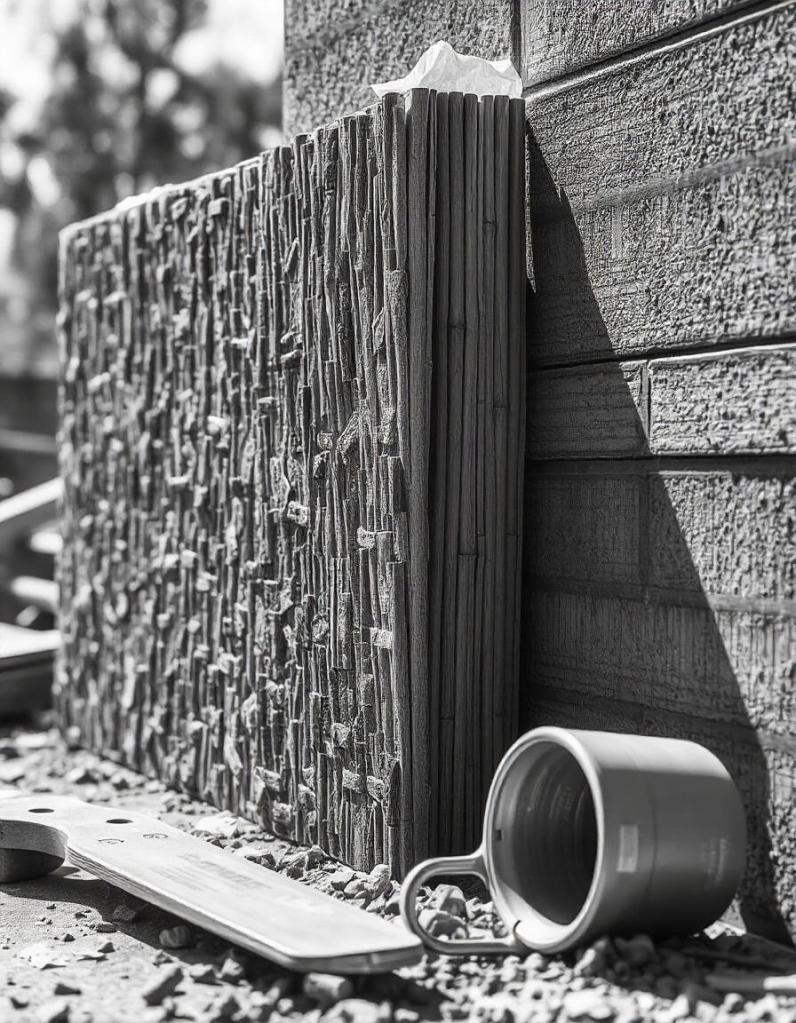
In addition to its environmental benefits, mycelium adds a unique, organic aesthetic to architectural designs. It brings an earthy, natural feel to interior and exterior surfaces, aligning with the growing trend of biophilic design, which focuses on connecting occupants with nature.
2. Bamboo: The Renewable Building Staple
Bamboo has been used for centuries in construction, particularly in Asia, due to its fast growth and high strength. Unlike traditional timber, bamboo regenerates quickly, making it one of the most renewable resources in architecture. It can grow up to 3 feet per day and reaches maturity in just 3-5 years.
Architects are increasingly turning to bamboo for its versatility and aesthetic appeal. It can be used for structural components, flooring, walls, and even scaffolding. Bamboo’s natural strength rivals steel in tensile strength, and its flexibility makes it resistant to earthquakes, which is a significant advantage in areas prone to seismic activity.
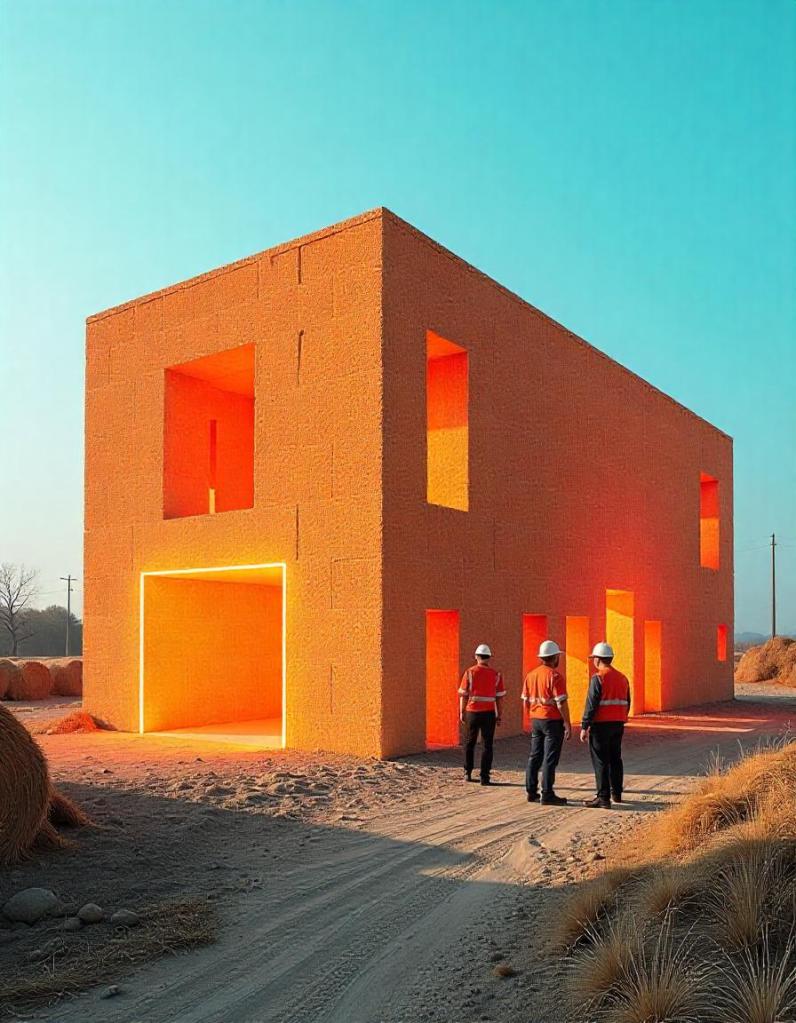
Moreover, bamboo is biodegradable, meaning it can decompose naturally once its lifecycle is complete. This makes it a perfect candidate for circular architecture. While bamboo has traditionally been used in rural or tropical settings, it is now being integrated into modern designs worldwide, offering a stylish and sustainable alternative to conventional materials.
3. Hempcrete: The Carbon-Negative Marvel
Hempcrete, made from hemp fibers mixed with lime, is another biodegradable material making waves in sustainable architecture. Unlike traditional concrete, which has a high carbon footprint, hempcrete is carbon-negative, meaning it absorbs more CO2 than it emits during its production. This property makes it a powerful tool in the fight against climate change.
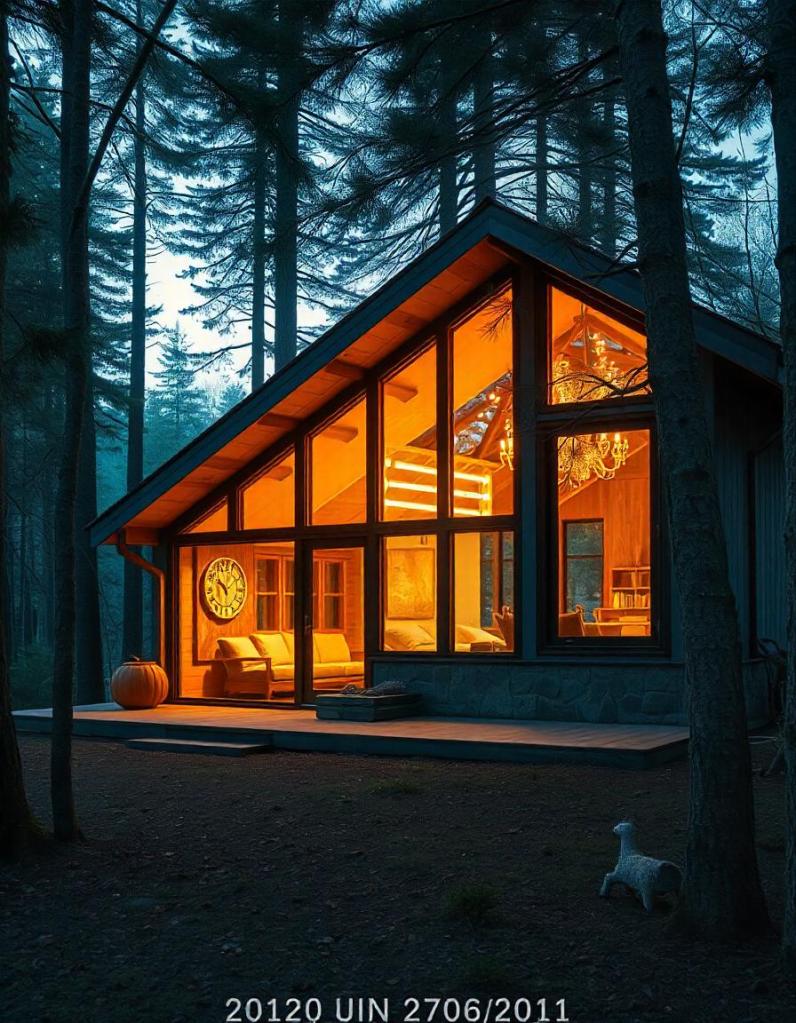
Hempcrete is lightweight, fire-resistant, and offers excellent insulation, making it an ideal material for energy-efficient homes. Its porous nature also allows it to “breathe,” regulating humidity levels and improving indoor air quality.
As a biodegradable material, hempcrete breaks down naturally at the end of its life, further reducing waste. It’s an excellent example of how circular architecture can benefit both the environment and building performance. Although hempcrete is still not as widely used as traditional concrete, its growing popularity suggests that it may soon become a staple in sustainable building practices.
Key Benefits of Biodegradable Building Materials
1. Waste Reduction
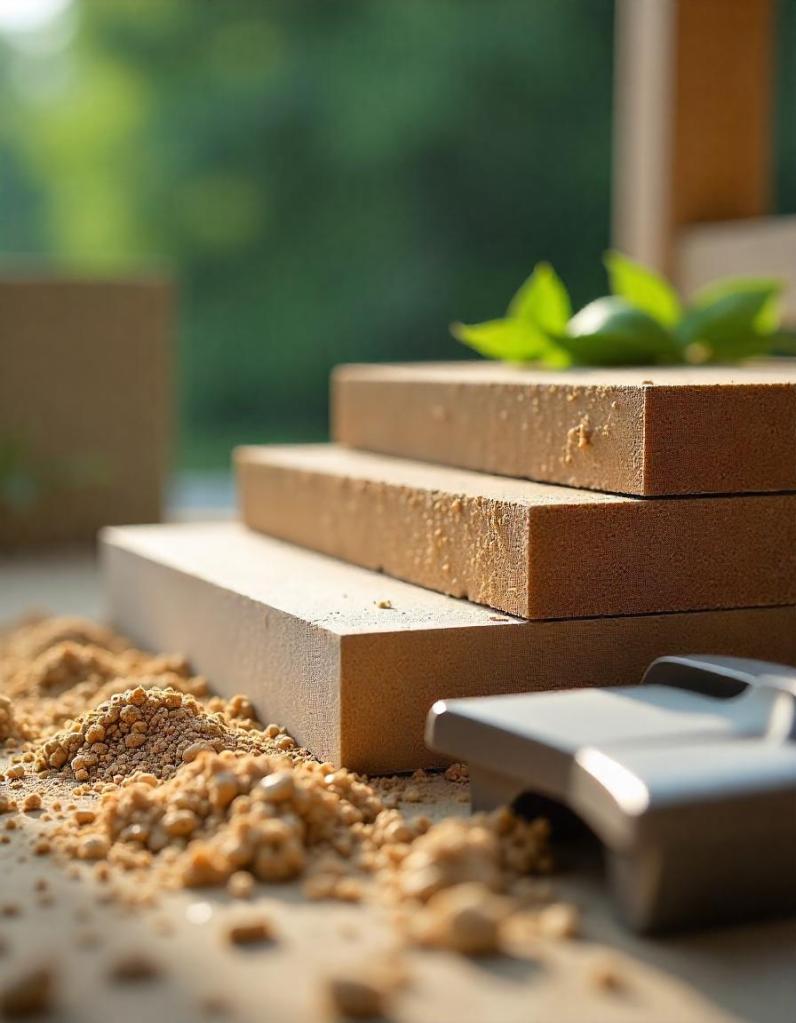
One of the most significant advantages of biodegradable materials is their ability to reduce construction waste. Since these materials decompose naturally, they help minimize the environmental impact associated with traditional building waste.
2. Lower Carbon Footprint
Many biodegradable materials, like hempcrete, absorb carbon dioxide during their production, resulting in a lower overall carbon footprint. This feature helps mitigate the environmental damage caused by conventional construction practices.
3. Healthier Indoor Environments
Biodegradable materials often contribute to healthier living spaces. For instance, mycelium and hempcrete provide natural insulation, which can regulate temperature and humidity, promoting better indoor air quality and reducing energy consumption.
4. Aesthetic and Design Flexibility
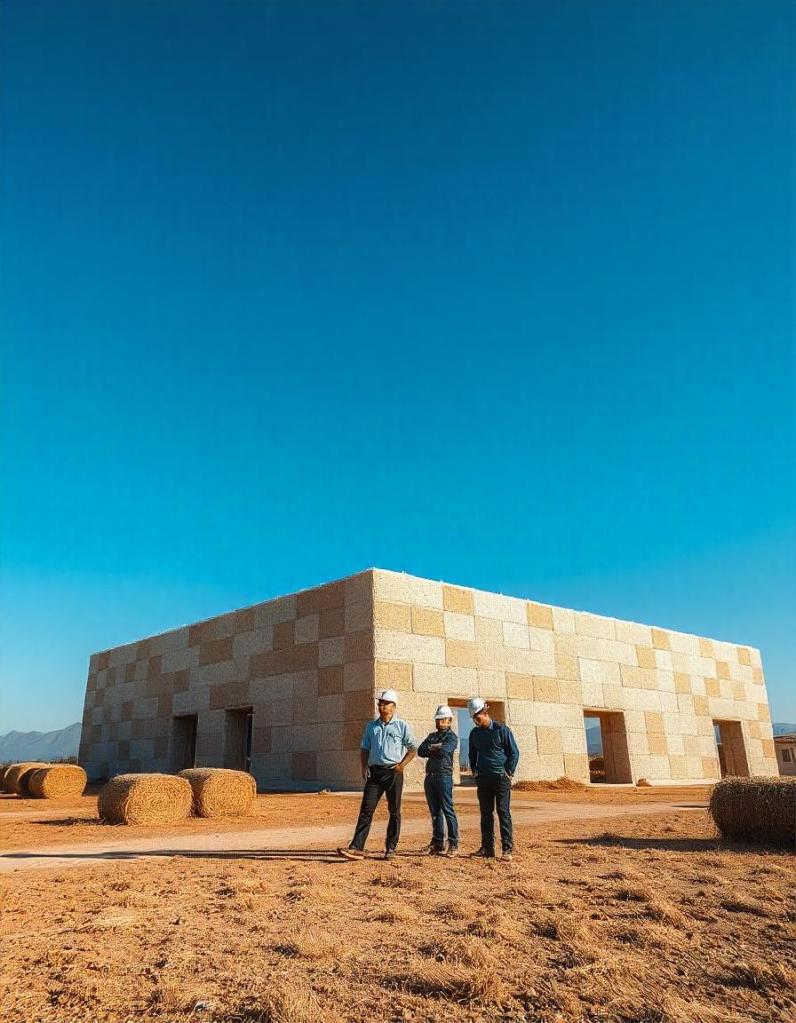
These materials offer unique visual characteristics that allow architects to experiment with organic designs. Biodegradable materials can give buildings a natural look while aligning with biophilic and sustainable design principles.
5. Sustainable Sourcing
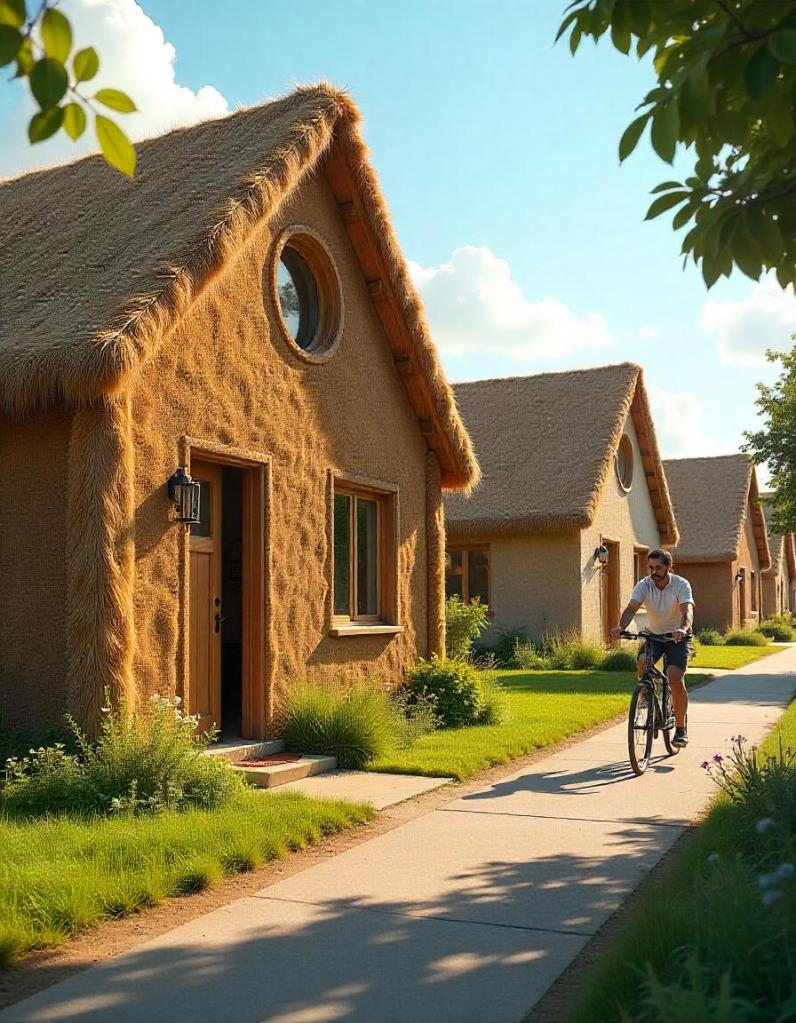
Many biodegradable materials, like bamboo and hemp, are rapidly renewable and can be harvested sustainably. This ensures that sourcing these materials has a minimal ecological impact compared to traditional materials like concrete and steel.
Challenges in Adopting Biodegradable Materials
While the benefits of biodegradable building materials are clear, their widespread adoption faces several challenges. For example, the production processes and supply chains for materials like mycelium and hempcrete are still in their early stages and may not be as readily available as traditional materials.
In addition, current building codes in many countries need to evolve to accommodate these innovative materials. These challenges, however, are likely to diminish as awareness of sustainable building practices grows and demand for eco-friendly materials increases.
The Future of Biodegradable Materials in Circular Architecture
As the global focus on sustainability and reducing carbon footprints intensifies, biodegradable materials are expected to play a more prominent role in construction. Innovations in material science and the growing trend of circular architecture suggest that biodegradable materials will become more mainstream in the coming years.
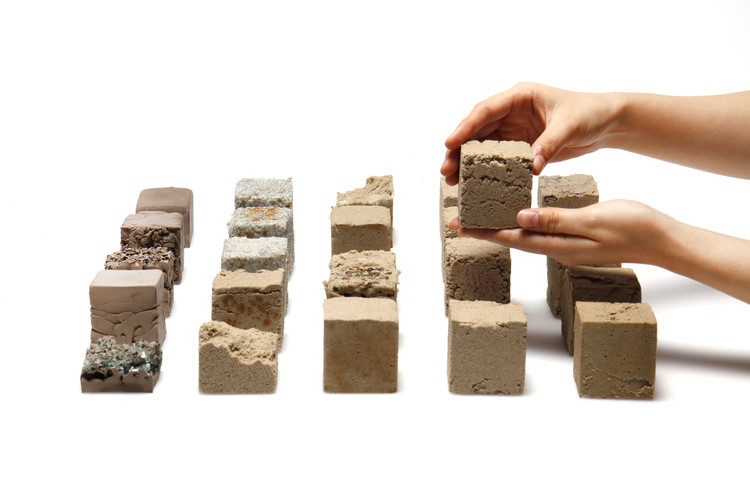
The combination of environmental sustainability, cost-effectiveness, and design flexibility makes biodegradable materials a viable solution for both residential and commercial buildings. As the industry continues to explore ways to reduce waste and carbon emissions, biodegradable materials will be at the forefront of this movement toward a more sustainable future.
Conclusion
Biodegradable building materials represent a critical shift in how architects and builders approach construction. By utilizing materials such as mycelium, bamboo, and hempcrete, the industry can significantly reduce its environmental footprint and contribute to a circular, sustainable future. These materials offer the dual benefit of being both eco-friendly and functional, making them a cornerstone of the evolving world of circular architecture.
Incorporating biodegradable materials into construction practices is not just a trend but a necessary step toward a greener, more sustainable future.
#BiodegradableMaterials #SustainableArchitecture #EcoBuilding #CircularDesign #GreenConstruction

 Design and Build Data