The construction industry is one of the largest contributors to global carbon emissions, largely due to the extensive use of traditional concrete. This material, a staple in modern construction, accounts for about 8% of the world’s CO2 emissions. As the world races towards reducing its carbon footprint and achieving net-zero carbon emissions, a groundbreaking innovation is gaining momentum: carbon-negative concrete.
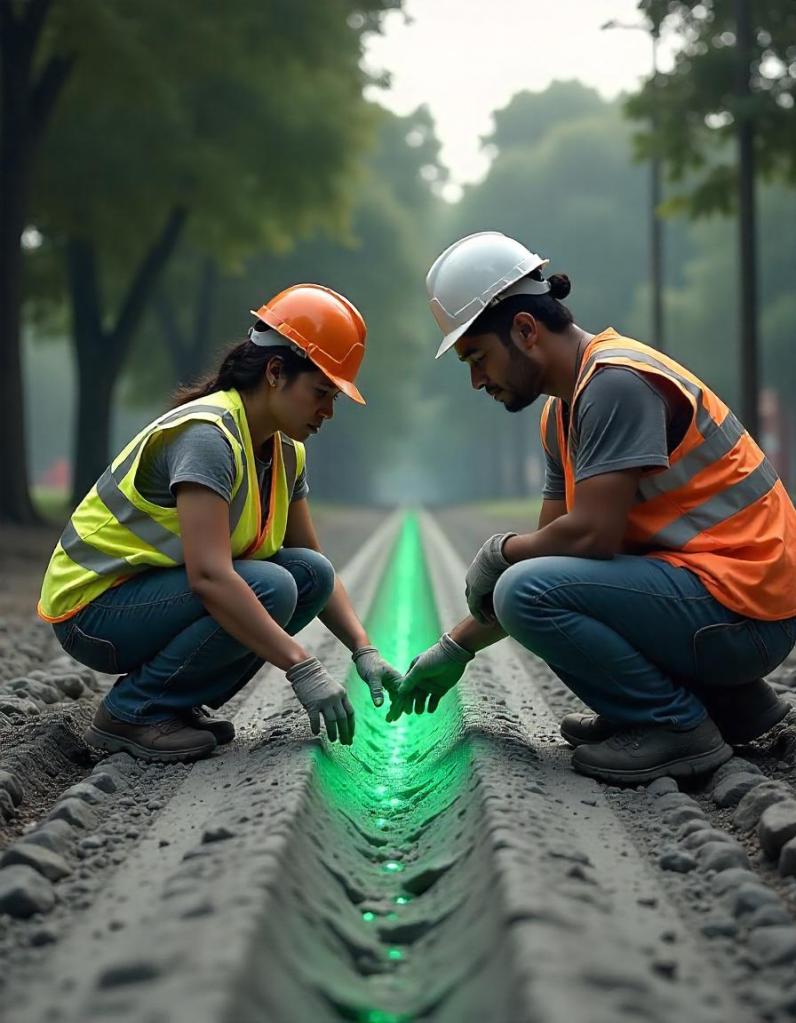
Unlike conventional concrete, which emits carbon dioxide during its production, carbon-negative concrete has the ability to absorb CO2 from the atmosphere, turning the construction sector from a major polluter to a contributor to climate solutions. This article explores the potential of carbon-negative concrete to revolutionize sustainable construction, how it works, and its role in helping the industry achieve net-zero goals.
What is Carbon-Negative Concrete?
Carbon-negative concrete is a new generation of concrete materials designed to have a negative carbon footprint. This means that instead of releasing carbon dioxide (CO2) during production, it absorbs more CO2 over its lifespan than it emits, effectively removing carbon from the atmosphere.
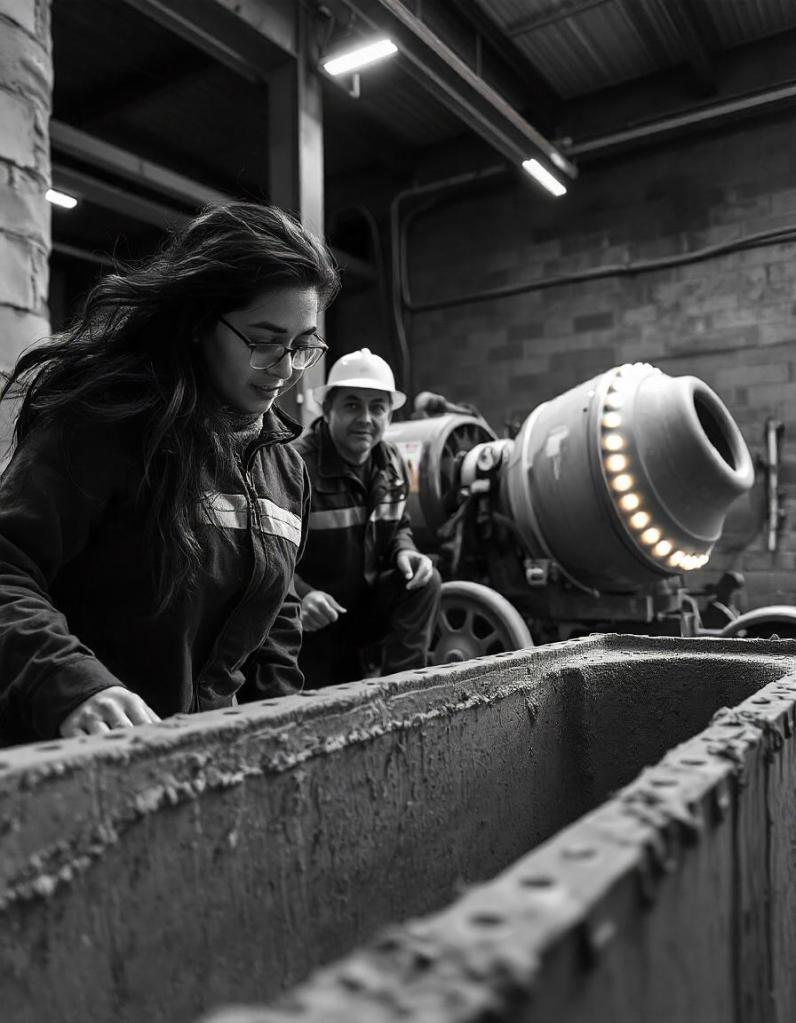
Traditional concrete production involves heating limestone at high temperatures, which releases significant amounts of CO2. In contrast, carbon-negative concrete is made with alternative low-carbon materials, such as industrial by-products (e.g., fly ash and slag) or innovative cement substitutes that have the ability to absorb CO2. Some formulations also incorporate natural processes like mineral carbonation, which locks CO2 into the material over time.
How Carbon-Negative Concrete Works
The key to carbon-negative concrete lies in its ability to capture and sequester carbon. Various technologies and approaches are used to achieve this:
1. CO2 Curing
One of the most common methods involves injecting CO2 into freshly mixed concrete during the curing process. This is known as CO2 curing. During this process, the CO2 reacts with calcium hydroxide in the concrete, forming calcium carbonate. This reaction not only strengthens the concrete but also permanently stores CO2 within the material. By absorbing more CO2 than is emitted during its production, the concrete becomes carbon-negative.
2. Carbon-Absorbing Aggregates
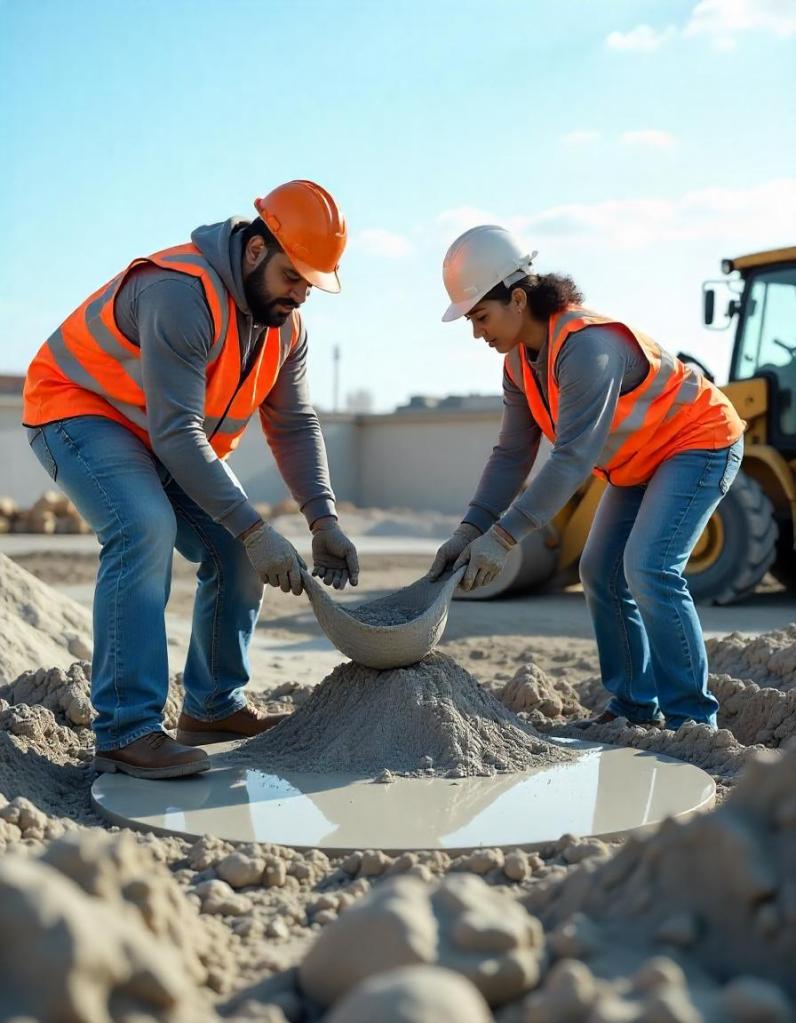
Another approach involves using aggregates that can absorb CO2. For instance, aggregates made from industrial by-products like steel slag or certain types of recycled concrete can capture CO2 from the atmosphere. These aggregates are combined with cement or other binding materials to form carbon-negative concrete.
3. Innovative Cement Alternatives
Companies are also developing new types of cement alternatives that generate minimal emissions during production. Materials like geopolymers, made from waste products, and biomass-based cement, which absorbs CO2 during the curing process, are leading the charge toward carbon-negative building materials.
The Role of Carbon-Negative Concrete in Net-Zero Construction
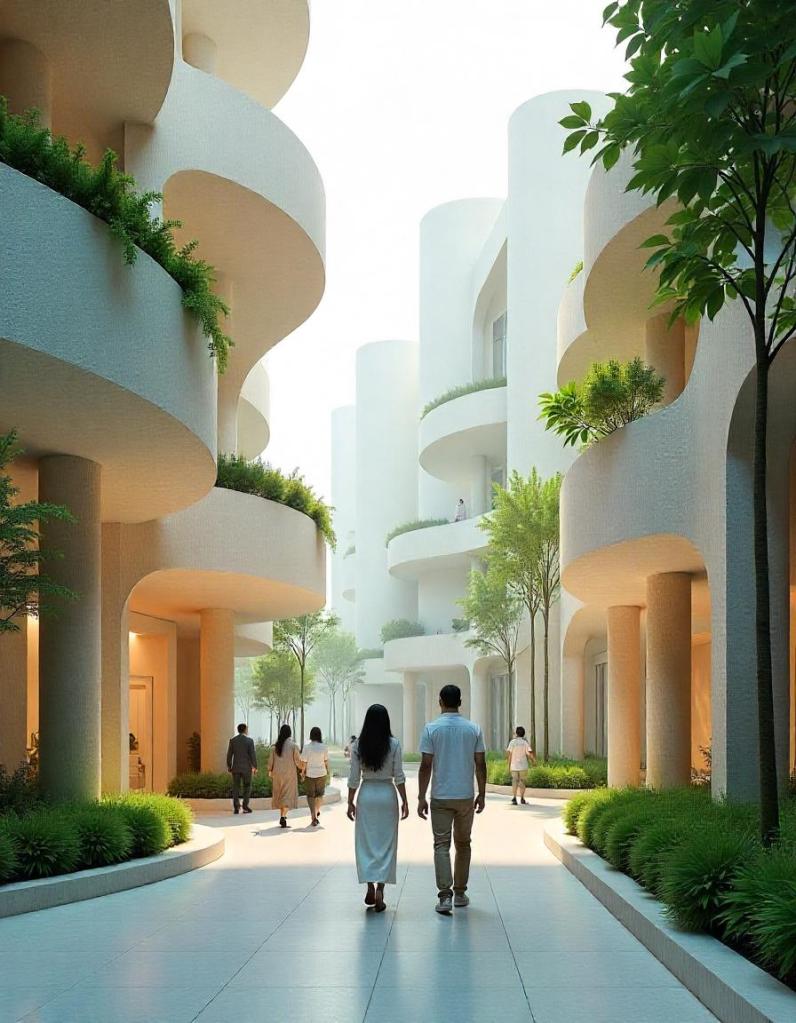
The construction industry is under immense pressure to reduce its carbon emissions and contribute to global efforts to combat climate change. Net-zero construction aims to ensure that the total amount of greenhouse gases produced by the construction and operation of buildings is reduced to as close to zero as possible, with any remaining emissions offset by removing CO2 from the atmosphere.

Carbon-negative concrete offers a path to achieving this goal by addressing the industry’s largest source of emissions: the production of traditional concrete. Its ability to absorb CO2 during its lifecycle directly reduces the overall carbon impact of buildings, infrastructure, and other construction projects.
1. Reducing Carbon Emissions in Construction
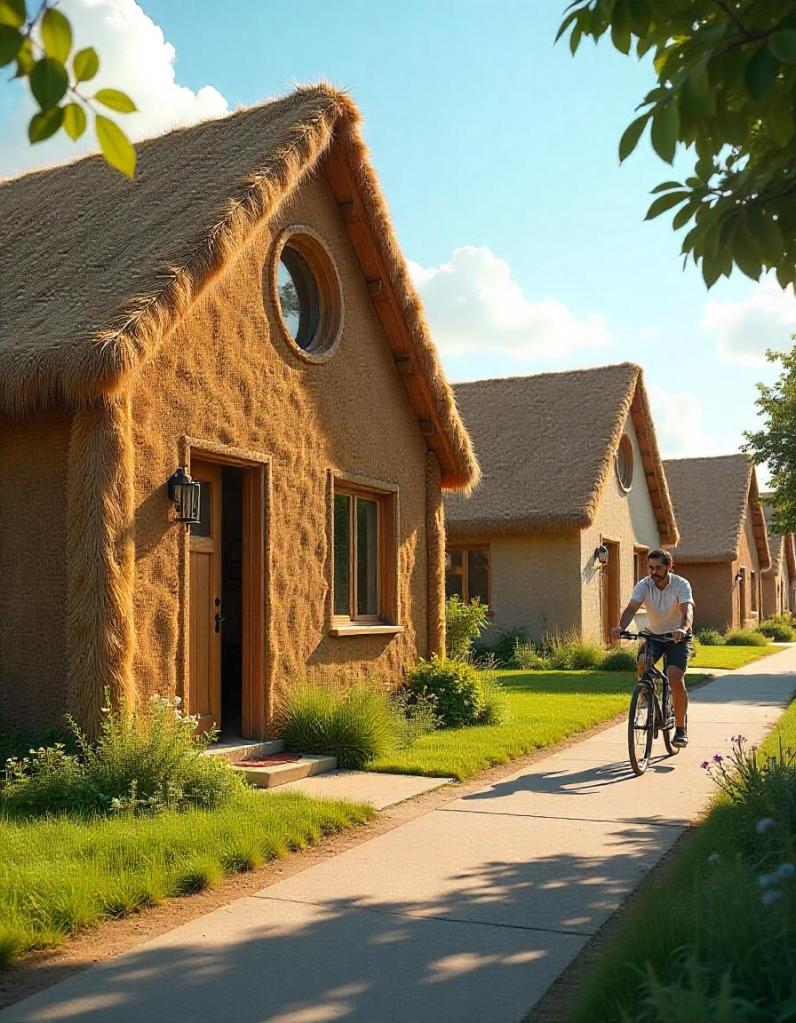
The use of carbon-negative concrete in new construction projects can significantly lower the embodied carbon—the total CO2 emissions associated with building materials—from the production phase. By replacing traditional concrete with carbon-negative alternatives, the industry can reduce emissions during the construction phase, bringing net-zero construction closer to reality.
2. Offsetting Operational Emissions
Buildings are not just responsible for emissions during construction; they continue to emit CO2 during their operational phase through energy consumption for heating, cooling, and lighting. Carbon-negative concrete offers a solution by sequestering CO2 over the lifespan of the building. This can help offset some of the carbon emissions generated during the building’s operation, contributing to a net-zero carbon balance.
3. Contributing to Sustainable Infrastructure
Carbon-negative concrete isn’t limited to buildings. It can also be used in sustainable infrastructure projects, such as roads, bridges, and public transportation systems. Infrastructure built with carbon-negative concrete helps cities and communities reduce their overall carbon footprints while promoting environmentally friendly urban development.
Benefits of Carbon-Negative Concrete
1. Significant CO2 Reduction
Carbon-negative concrete offers one of the most effective solutions for reducing the construction industry’s carbon footprint. By absorbing CO2, it helps reverse the environmental impact of traditional concrete production.
2. Improved Durability
The mineral carbonation process that sequesters CO2 in carbon-negative concrete also increases the material’s strength and durability. This leads to longer-lasting buildings and infrastructure with lower maintenance costs.

3. Energy Efficiency
Using carbon-negative concrete can contribute to the energy efficiency of buildings by improving insulation and thermal performance. This reduces energy consumption during the building’s lifecycle, further cutting down on carbon emissions.
4. Circular Economy Opportunities
Carbon-negative concrete promotes a circular economy in construction by utilizing industrial waste products and recycled materials. This reduces the need for virgin raw materials and minimizes construction waste.
Challenges in Widespread Adoption
While the benefits of carbon-negative concrete are clear, several challenges remain in scaling up its use:
- Cost: The production of carbon-negative concrete can be more expensive than traditional concrete due to the use of innovative technologies and materials. However, as demand grows and technologies advance, costs are expected to decrease.
- Regulatory Barriers: Building codes and standards may need to evolve to accommodate new materials like carbon-negative concrete, which may not be covered under existing regulations.
- Supply Chain Issues: The availability of low-carbon materials and carbon-sequestering technologies can vary regionally, making widespread adoption more difficult in some areas.
The Future of Carbon-Negative Concrete
As the world strives to meet ambitious climate goals, the construction industry must play a pivotal role in reducing greenhouse gas emissions. Carbon-negative concrete is set to revolutionize the way buildings and infrastructure are designed, constructed, and maintained, paving the way for a future where net-zero construction is the norm.
Continued research and investment in carbon-sequestering technologies will be essential to bringing carbon-negative concrete to the mainstream. As the material becomes more widely available and cost-effective, it will offer a viable solution for architects, builders, and developers looking to create sustainable, low-carbon buildings.
By adopting carbon-negative concrete on a larger scale, the construction industry can significantly reduce its environmental impact and take a major step toward achieving net-zero emissions.
Conclusion
Carbon-negative concrete represents a groundbreaking shift in the construction industry’s approach to sustainability. By absorbing CO2 rather than emitting it, this innovative material has the potential to drastically reduce the sector’s carbon footprint. As we move toward a future defined by net-zero construction, carbon-negative concrete will play an essential role in creating environmentally friendly buildings and infrastructure.
With its combination of sustainability, durability, and carbon-sequestration capabilities, carbon-negative concrete is not just a solution for today but a critical step toward a greener, more sustainable future.
Hashtags: #SustainableConstruction #CarbonNegativeConcrete #NetZero #GreenBuilding #EcoFriendlyMaterials #CarbonSequestration

 Design and Build Data