Water is one of the most vital resources on Earth, and as global populations grow and climate change intensifies, ensuring water sustainability has become increasingly important. In the world of eco-friendly architecture, water-efficient design has emerged as a critical aspect of sustainable building practices. This involves implementing innovative systems and techniques that minimize water consumption and reduce the overall environmental impact of buildings. Solutions like rainwater harvesting, greywater recycling, and low-flow fixtures are transforming modern architectural practices, promoting water conservation and environmental sustainability.
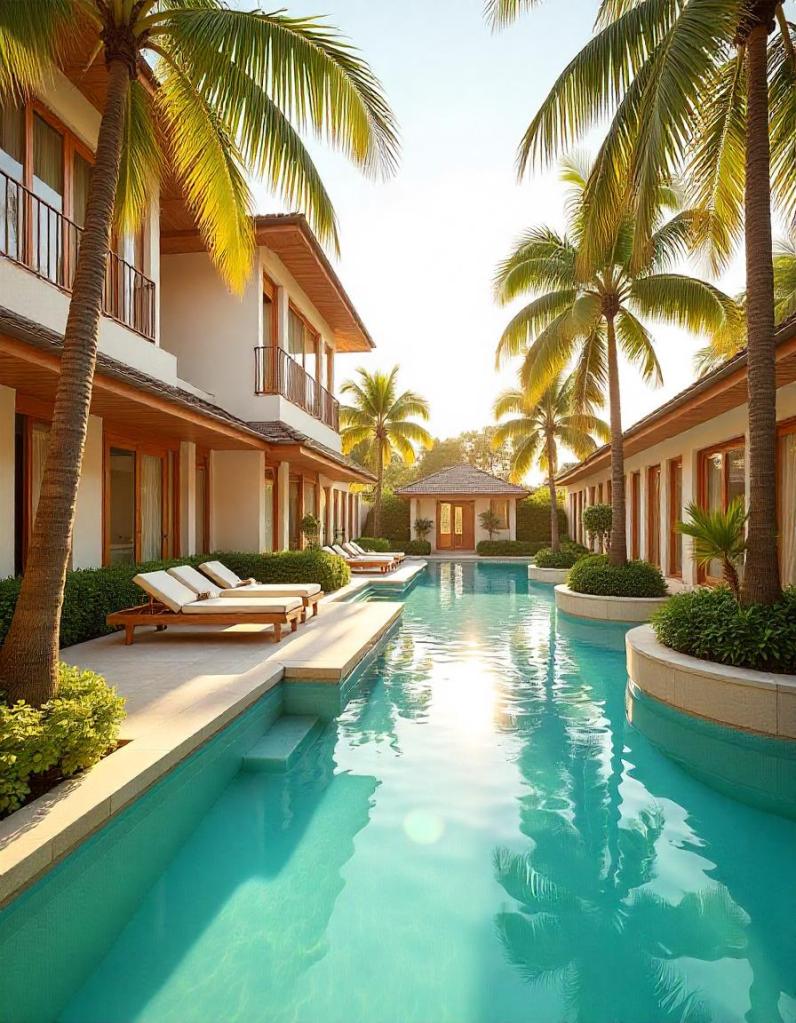
Why Water Efficiency Matters in Architecture
Water efficiency is not just a trend; it’s a necessity. As more regions around the globe experience water scarcity, architects and builders must adopt designs that prioritize the conservation of this precious resource. In urban areas, buildings are significant consumers of water, and the demand is only increasing as populations grow. By integrating water-efficient technologies into building design, we can reduce water consumption, lower utility costs, and lessen the environmental footprint of construction projects.
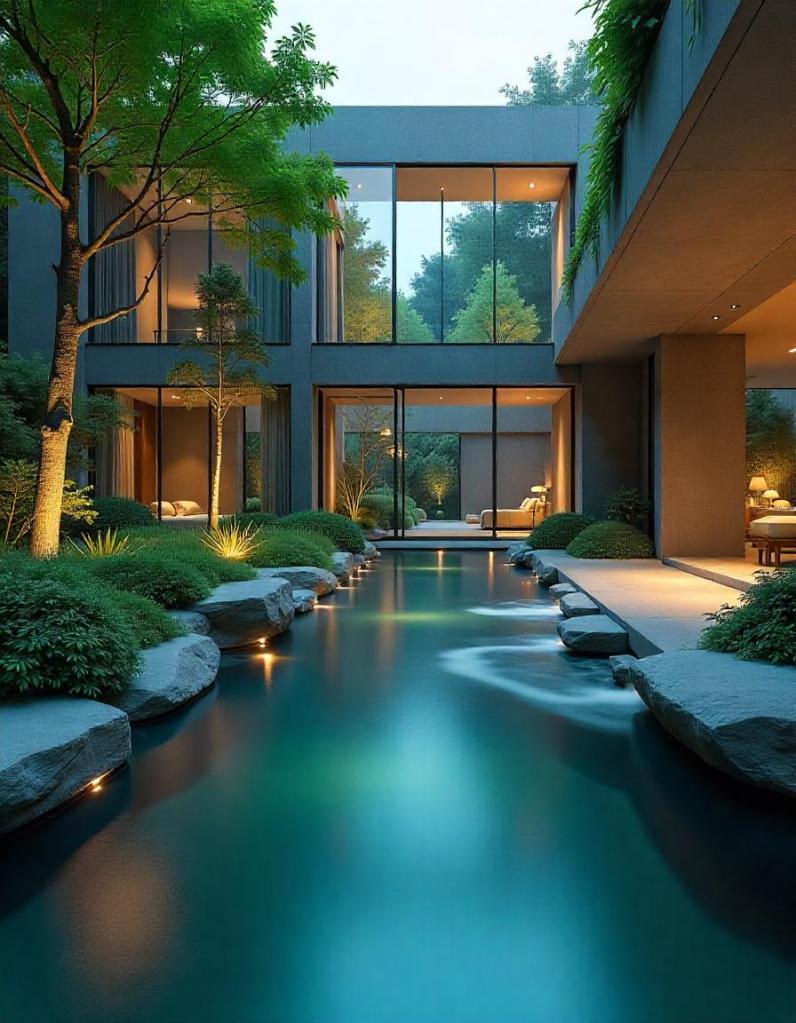
Sustainable water management systems are essential not only for saving water but also for reducing the energy required to treat and transport it. By using water more efficiently in buildings, we directly reduce carbon emissions and the strain on local water sources.
Key Water-Efficient Design Features
1. Rainwater Harvesting Systems
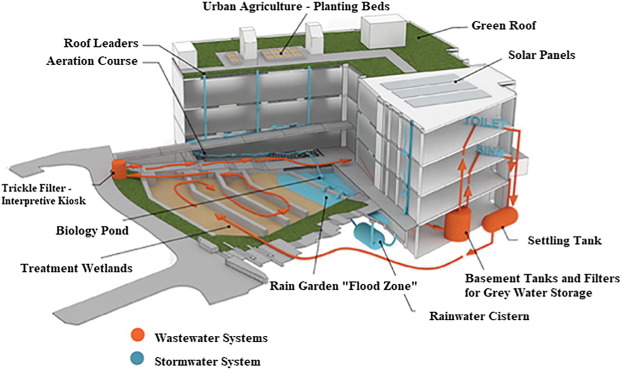
Rainwater harvesting is one of the most effective methods for reducing water demand in buildings. This system collects and stores rainwater from rooftops and other surfaces, which can be reused for non-potable applications such as irrigation, toilet flushing, or even cooling systems in commercial buildings. This reduces the need for potable water, conserving local supplies and reducing runoff.
Rainwater harvesting systems are becoming more common in sustainable architecture because of their cost-effectiveness and environmental benefits. These systems can be incorporated into both residential and commercial buildings, making them versatile and accessible.
2. Greywater Recycling
Another key innovation in water-efficient architecture is greywater recycling. Greywater refers to wastewater generated from sources like sinks, showers, and washing machines—basically, water that isn’t heavily contaminated and can be treated and reused for non-potable purposes. Instead of sending this water down the drain, greywater recycling systems treat it and reuse it for things like landscape irrigation and toilet flushing.

This reduces the demand for fresh water, while also cutting down on the volume of wastewater that needs to be treated by municipal facilities. In buildings where water consumption is high, such as hotels, offices, or apartment complexes, greywater systems can significantly lower water usage, contributing to a sustainable design.
3. Low-Flow Fixtures
Low-flow fixtures have become a standard feature in eco-friendly architecture. These fixtures—such as low-flow faucets, showerheads, and toilets—are designed to use significantly less water than traditional models. By installing these in homes and commercial buildings, water consumption can be reduced by up to 30%.
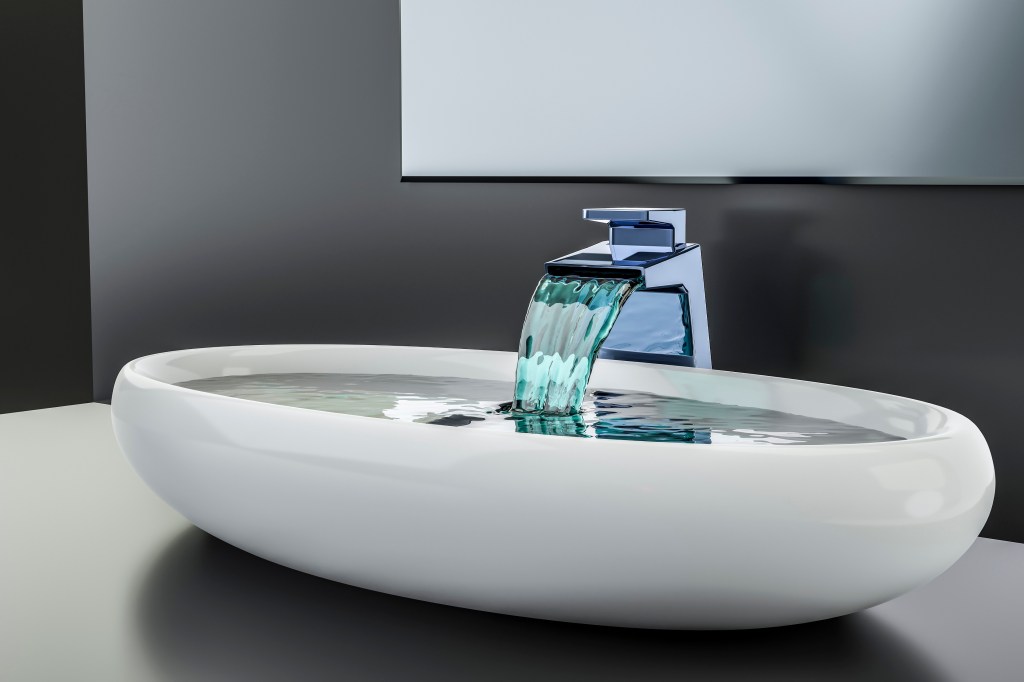
Low-flow toilets, for example, use about 1.28 gallons per flush, compared to older models that use around 3.5 gallons. Similarly, low-flow showerheads reduce water flow from the standard 2.5 gallons per minute to about 1.5 gallons, providing an easy way to conserve water without compromising functionality or comfort. The use of low-flow fixtures is a simple, yet highly effective method for reducing water consumption and promoting sustainability in architecture.
Designing for Water Efficiency: Best Practices
Incorporating water-efficient technologies into building designs involves more than just choosing the right fixtures or systems. Architects and developers must take a holistic approach, integrating multiple water-saving strategies to achieve the greatest impact. Below are some best practices for designing water-efficient buildings:
- Smart Landscaping (Xeriscaping): Choose drought-tolerant plants and efficient irrigation systems to reduce the need for water in landscaping. Incorporating rain gardens and permeable surfaces can also help manage stormwater and reduce runoff.
- Efficient Irrigation Systems: Drip irrigation and automated irrigation systems equipped with sensors that measure soil moisture can help reduce water waste in outdoor spaces. These systems ensure that plants receive only the water they need, preventing over-irrigation.
- Dual-Plumbing Systems: Incorporating dual plumbing allows buildings to separate potable water from greywater, making it easier to recycle and reuse water where appropriate.
- Water-Efficient Appliances: In addition to low-flow fixtures, installing water-efficient appliances like dishwashers and washing machines that use less water per cycle can further reduce water consumption.
- Water Audits and Monitoring: Installing smart water meters and conducting regular water audits help to track water usage and identify areas where improvements can be made.
Benefits of Water-Efficient Design
Incorporating water efficiency into architectural design brings numerous benefits, both for the environment and for building occupants. Here are some key advantages:
- Reduced Water Bills: By minimizing water consumption, building owners can significantly reduce utility costs. Over time, the savings from water-efficient systems can outweigh their initial installation costs, making these investments cost-effective.
- Environmental Conservation: Reducing the demand for freshwater helps conserve local water sources, ensuring that they remain available for future generations. This is especially important in drought-prone regions where water scarcity is a growing concern.
- Energy Savings: Efficient water use also translates into energy savings, as less energy is required to pump, treat, and distribute water. This reduces the overall carbon footprint of a building, contributing to sustainable development goals.
- Enhanced Building Value: Buildings with water-efficient systems are more attractive to environmentally conscious buyers and tenants, potentially increasing property value and marketability.
The Future of Water Efficiency in Architecture
As water scarcity becomes an increasing concern in many parts of the world, water-efficient architecture is no longer an option; it’s a necessity. The future of sustainable building will require architects, developers, and urban planners to prioritize water efficiency from the initial design phase, integrating cutting-edge technologies that minimize water use without compromising functionality or comfort.
Moreover, as governments continue to introduce stricter regulations and incentives around water conservation, buildings that incorporate water-efficient designs will be better positioned to meet evolving standards and gain certifications like LEED (Leadership in Energy and Environmental Design).
Conclusion
Water efficiency is a critical component of sustainable architecture. By integrating systems like rainwater harvesting, greywater recycling, and low-flow fixtures into building designs, architects can significantly reduce water consumption and promote long-term sustainability. These innovations not only conserve vital water resources but also contribute to energy savings, lower operational costs, and enhance the overall value of a building.
As the planet faces increasing pressure from climate change and population growth, water-efficient architecture will play a crucial role in shaping the future of sustainable urban development. The question is no longer whether we can afford to implement these technologies, but whether we can afford not to.
#WaterEfficiency #SustainableArchitecture #RainwaterHarvesting #GreywaterRecycling #LowFlowFixtures #EcoFriendlyDesign #GreenBuilding #WaterConservation #LEED #SustainableDesign

 Design and Build Data