In an era defined by rapid technological innovation, smart buildings are no longer just futuristic concepts. They’re becoming mainstream, reshaping our expectations of the spaces we live and work in. These buildings are designed with cutting-edge automation systems and data-driven insights, creating environments that are efficient, adaptable, and, most importantly, centered around user comfort. From responsive lighting to intelligent climate control, these technologies are setting new standards in architecture, enhancing human comfort and redefining what it means to have a “smart” space.
This article delves into the exciting field of smart buildings, exploring how these advancements contribute to user comfort, improve environmental efficiency, and promote a healthier and more productive lifestyle for occupants.

What is a Smart Building?
A smart building integrates various systems, technologies, and devices to interact and optimize the indoor environment autonomously. While traditional buildings operate on fixed schedules or manual adjustments, smart buildings rely on sensors, IoT (Internet of Things) devices, and software algorithms that collect and analyze data in real-time. The goal? To create responsive spaces that not only conserve energy but also enhance occupant well-being. Key features typically include:
- Automated Lighting: Lighting systems that adjust brightness and color temperature based on the time of day, occupancy, and available natural light.
- Climate Control: HVAC systems equipped with sensors that monitor temperature, humidity, and air quality, adjusting in real-time to maintain a comfortable environment.
- Energy Management: Data-driven monitoring of energy consumption to optimize usage, track patterns, and make adjustments, ultimately reducing waste and promoting sustainability.
- Security & Safety: Integrated systems including surveillance, access control, and emergency response, providing a secure and controlled environment for occupants.
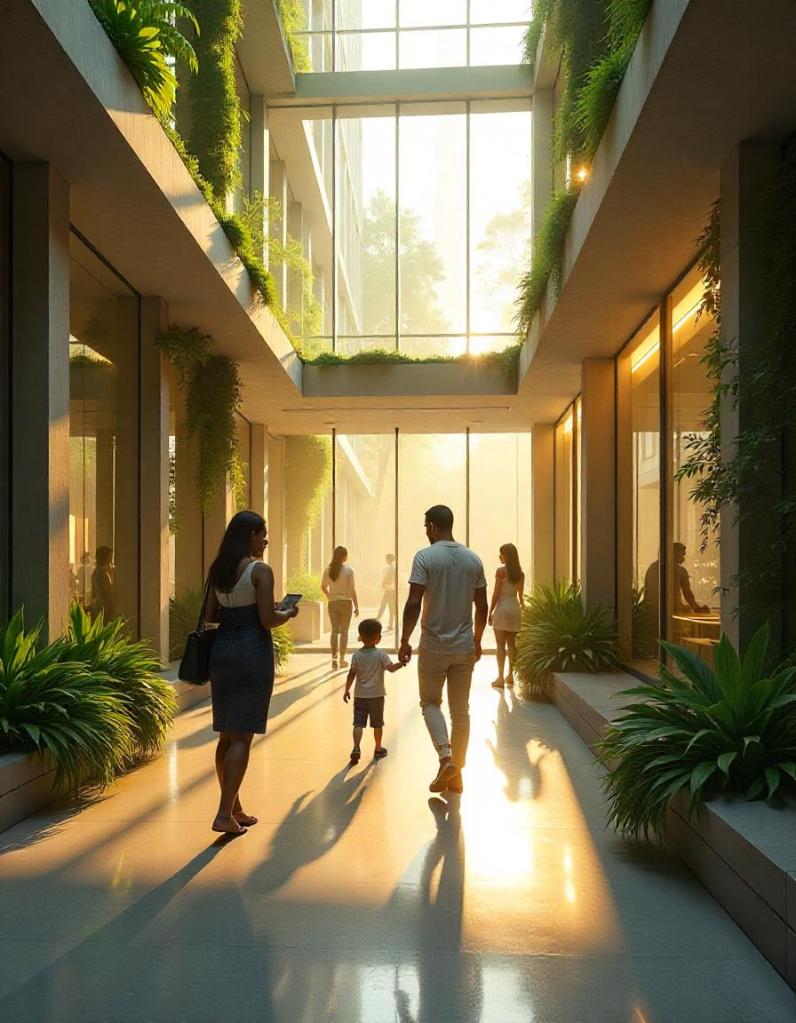
These systems work together to respond to occupants’ needs almost instantaneously, eliminating discomfort and significantly improving the overall indoor experience. For example, a smart building can adjust heating and lighting as occupants move from room to room or dim lights in response to increasing natural daylight, ensuring an optimal balance between artificial and natural light.
The Role of Automation in Human Comfort
Automation lies at the heart of smart building functionality, transforming static environments into adaptive ones. Through AI algorithms and machine learning, these buildings continuously learn from the behaviors, preferences, and needs of occupants. This personalization is key in achieving higher levels of comfort.

Personalized Environmental Controls
Imagine an office space where each workstation can adjust its settings based on the preferences of individual users. For instance, sensors can detect if a room is crowded and automatically adjust the temperature to counteract the increase in heat. This kind of real-time responsiveness minimizes discomfort and allows for an environment tailored to the unique needs of each person.
Lighting that Supports Well-being
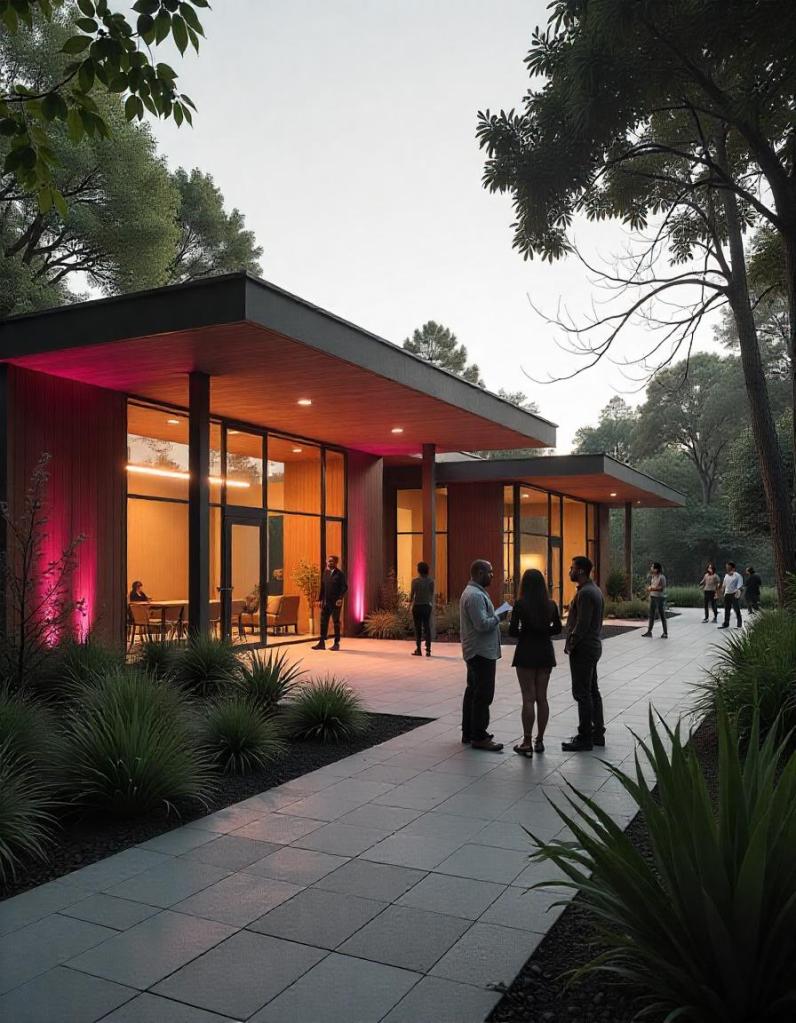
Studies show that lighting has a profound impact on mood, productivity, and sleep patterns. Smart lighting systems are designed to align with our circadian rhythms by adjusting light intensity and color temperature throughout the day. This type of lighting, known as “human-centric lighting,” can boost alertness during work hours and create a calming effect as the day winds down. By mimicking natural light, smart buildings foster a healthier, more balanced environment for occupants.
Benefits of Smart Buildings for Human-Centric Design
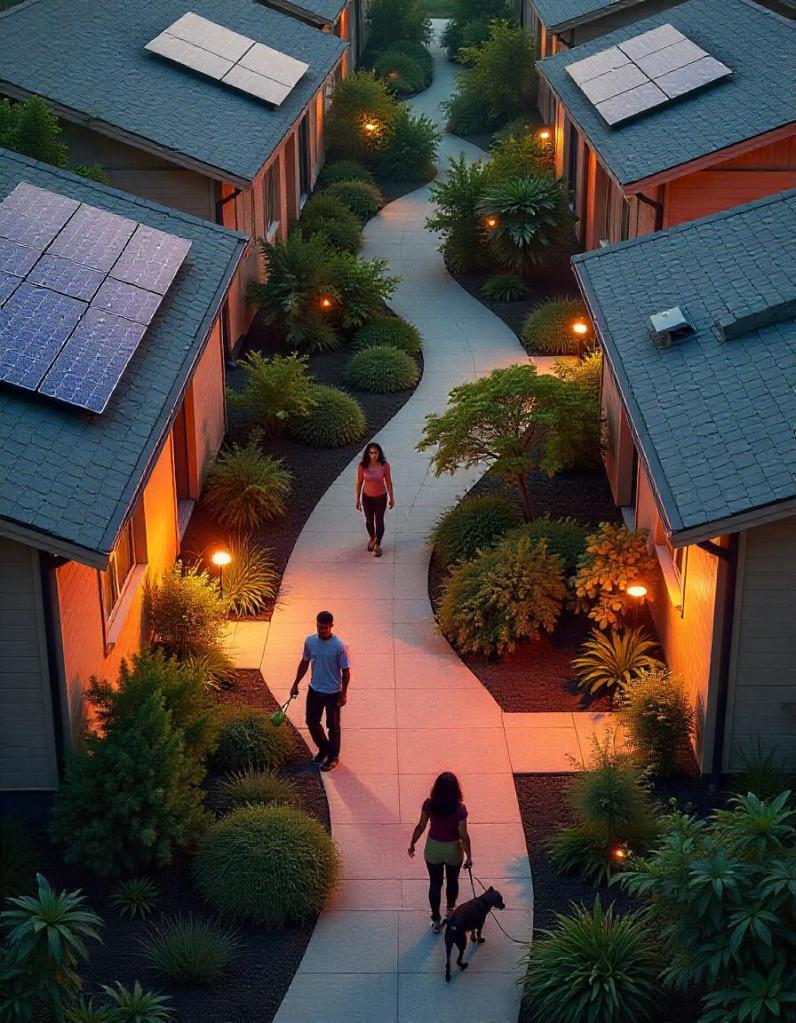
The design of smart buildings goes beyond functionality, focusing on enhancing human experience and well-being. Through thoughtful design and the integration of advanced technologies, smart buildings bring numerous benefits, particularly in terms of:
- Improved Air Quality and Health: Smart HVAC systems are equipped with sensors that track and regulate indoor air quality. These systems detect levels of carbon dioxide, pollutants, and allergens, adjusting ventilation to keep air clean and fresh. This results in fewer health complaints and greater comfort, especially in commercial and urban environments where air quality can be compromised.
- Energy Savings without Compromising Comfort: Through data analysis, energy consumption can be optimized while maintaining user comfort. For instance, buildings might reduce heating or cooling in unoccupied areas, channeling resources to where they’re most needed. This creates a balanced environment that meets user needs without excessive energy use, contributing to sustainability efforts.
- Flexible and Adaptive Spaces: Many smart buildings are designed with multifunctional spaces that can adapt based on usage. For example, a room equipped with movable partitions and smart controls can shift from a workspace to a conference room, adjusting lighting and sound settings automatically. This adaptability supports diverse activities within a single area, enhancing productivity and maximizing space.
- Enhanced Productivity and Satisfaction: By addressing comfort proactively, smart buildings minimize distractions and physical discomfort. Studies show that employees working in well-regulated environments with good lighting and air quality report higher satisfaction and productivity, making these spaces especially valuable in workplaces and public buildings.
Energy Efficiency and Environmental Impact
Sustainability is at the core of smart building design. By conserving resources and managing energy consumption effectively, these buildings support global environmental goals while offering long-term savings to building owners. Smart buildings utilize:
- Energy-Efficient Equipment: Smart buildings incorporate energy-efficient HVAC systems, lighting, and appliances that use less electricity while maintaining performance.
- Automated Energy Management: Using predictive analytics, smart systems anticipate peak energy usage and adjust operations to avoid waste. For example, cooling systems might adjust during the hottest parts of the day or lighting systems might dim in empty spaces, lowering the building’s carbon footprint.
- Resource Conservation: In addition to energy, smart buildings monitor and regulate water usage, helping reduce consumption without impacting user experience.
Real-World Examples of Smart Buildings
Some notable examples of smart buildings include:
- The Edge in Amsterdam: Often cited as one of the world’s most sustainable buildings, The Edge is a fully automated office that leverages data to create a personalized user experience, from temperature control to desk allocation.
- Apple Park in Cupertino: Apple’s headquarters utilizes natural ventilation, with a circular design that promotes natural air circulation, reducing dependency on HVAC systems. The building automatically adjusts based on weather patterns, creating a consistent indoor climate.
- One Central Park in Sydney: A residential and commercial complex, One Central Park incorporates a vertical garden with green walls that naturally regulate temperature and air quality. The building’s heliostat system maximizes natural light while reducing the need for artificial lighting.
Looking Ahead: The Future of Smart Buildings and Human Comfort
The field of smart buildings is only set to grow as new technologies emerge. AI and IoT will continue to advance, enabling buildings to anticipate user needs based on data patterns and real-time feedback. For architects and designers, this shift represents a tremendous opportunity to integrate technology in ways that elevate the user experience.

In the future, buildings may utilize data on individual health and behavior, enabling an even higher level of customization. Imagine spaces that adjust not only to environmental factors but also to your stress level, health needs, or personal preferences for relaxation.
Conclusion
Smart buildings are revolutionizing the way we experience indoor environments, making spaces more than just places to occupy—they are now tailored ecosystems that respond to our needs. With the combined focus on comfort, energy efficiency, and adaptability, these structures promise a future where buildings actively contribute to our well-being and environmental sustainability.
As we continue to design and build with a focus on smart technologies, the emphasis on human comfort will reshape how we live, work, and interact within these spaces.

 Design and Build Data