Public spaces are more than open areas in our cities; they are places for interaction, leisure, culture, and community life. The success of any public space depends not just on aesthetics but on its relevance and utility to the community it serves. To create spaces that truly resonate, the design process must be community-driven, inviting residents to participate in shaping environments that meet their needs and reflect their values. Let’s explore the value of community engagement in public space design and how this approach leads to spaces that are embraced, maintained, and cherished by the people who use them.
Why Community Engagement is Essential in Public Space Design
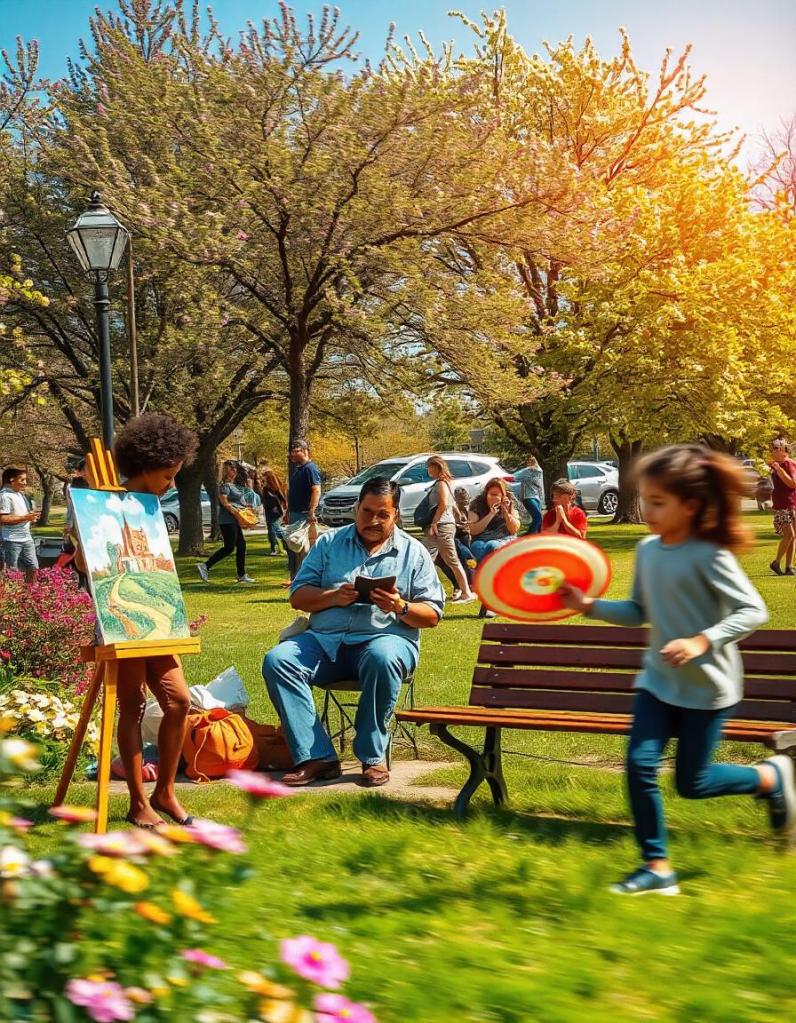
Designing public spaces with community input ensures that the final outcome is aligned with the daily lives, needs, and preferences of local people. This approach empowers communities, fosters a sense of ownership, and often results in spaces that are more inclusive and accessible for everyone. Community engagement is a crucial strategy for building spaces that are valued and well-used by residents, creating vibrant areas that enhance urban life and cohesion.
1. Fostering Trust and Collaboration with the Community
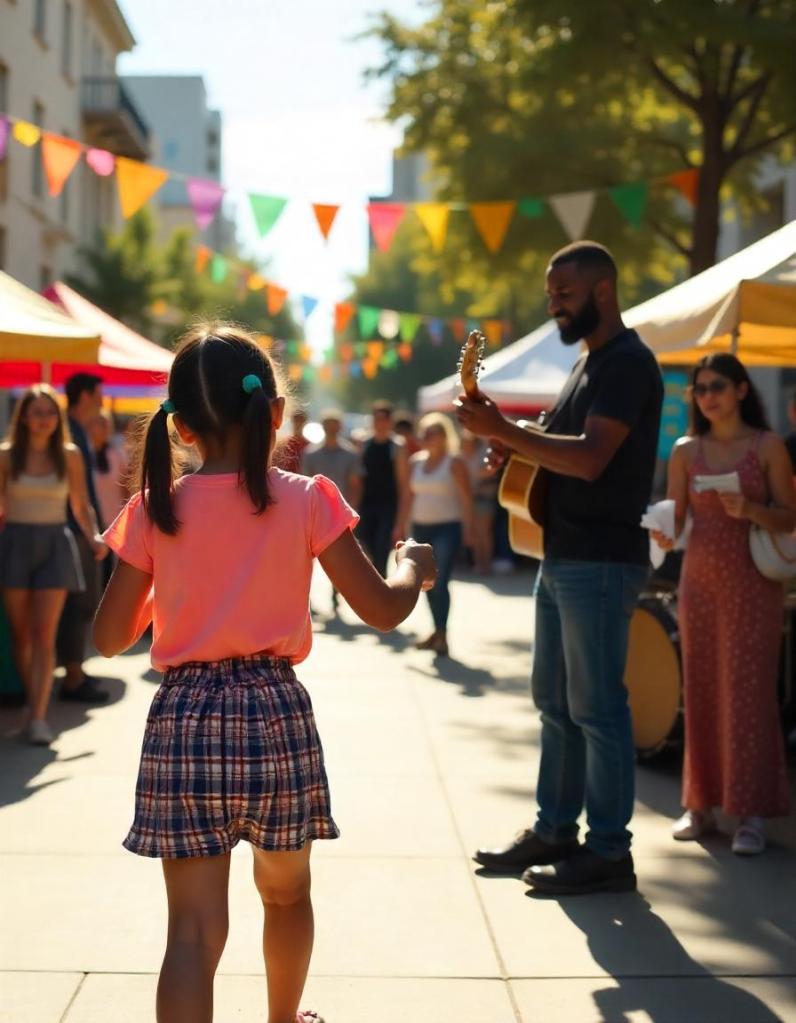
One of the main benefits of engaging communities is that it builds trust and promotes collaboration. Engaging local residents, leaders, and stakeholders in discussions early in the process allows designers to understand and incorporate local insights. Regular meetings, workshops, and feedback sessions encourage a partnership between the design team and the community, empowering residents to share ideas and voice concerns.

Incorporating their insights ensures that the design addresses specific needs. This process often yields ideas that are more locally relevant than an external team might otherwise anticipate—such as preferred seating arrangements, shaded walkways, or safe gathering areas. By prioritizing these needs, the space becomes genuinely relevant and appreciated.
2. Designing for Practical Needs and Everyday Lives
A successful public space must serve the practical needs of the people who use it daily. Community-driven design captures insights into routines, behaviors, and needs that might otherwise go unnoticed. This can involve everything from identifying preferred pedestrian paths to observing where locals congregate, relax, or socialize.

For example, a public plaza designed with community input might include elements such as play areas, shaded seating for elders, and open spaces for cultural events. This functional design allows the space to integrate seamlessly into the community’s lifestyle, encouraging regular use and meaningful engagement. By addressing practical needs, designers create spaces that not only look beautiful but serve a purpose in people’s lives.
3. Ensuring Inclusivity and Accessibility for All
Public spaces should be welcoming to everyone, regardless of age, ability, or background. Community engagement helps ensure that diverse voices are represented, leading to a design that’s more inclusive and accessible. It’s essential to invite a wide variety of community members—children, elders, differently-abled residents, and people from different socioeconomic backgrounds—to participate in the design process.
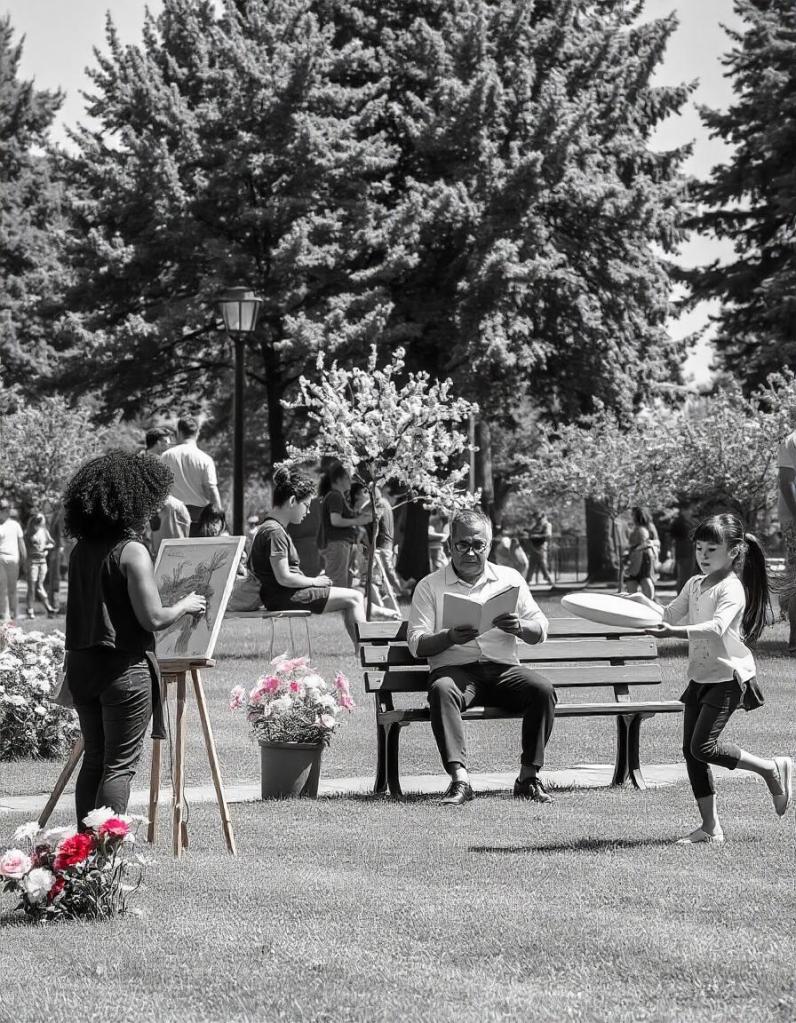
An inclusive approach can lead to features like ramps, wide pathways, seating options for different age groups, and playgrounds that accommodate all abilities. These thoughtful details make a space accessible and enjoyable for everyone, supporting the goal of creating a public area that reflects the whole community.
The Benefits of Community-Driven Design in Public Spaces
Spaces that actively involve the community from the beginning are far more likely to become cherished, well-used places. Here’s why:
- Increased Sense of Ownership: When residents are involved in the design process, they feel a stronger sense of pride and responsibility for the space. This ownership often translates into better care and maintenance, as people are more likely to respect and protect spaces they helped create.
- Enhanced Cultural Relevance: Spaces designed with community input reflect local culture, heritage, and traditions. This cultural relevance creates a stronger emotional connection between the community and the space, making it a meaningful part of people’s lives.
- Improved Usage and Foot Traffic: When a public space genuinely serves its community, it naturally attracts more visitors. A well-designed space that meets community needs sees consistent foot traffic and active engagement, enhancing urban life and supporting social interactions.
Steps to Engage Communities in Public Space Design
Designing a successful public space with community input can be accomplished through several key strategies:
- Organize Inclusive Workshops: Host workshops that welcome people from all demographics, ensuring that everyone has an opportunity to contribute. This inclusivity enriches the design and ensures that it resonates across different segments of the community.
- Conduct Surveys and Interviews: Collect feedback on specific design elements and understand the unique needs of the community. This direct input can influence essential aspects like seating, lighting, and pathways.
- Implement Prototype Spaces: Temporary mock-ups or installations allow people to experience the space and provide real-time feedback. This feedback can be invaluable for making final adjustments.
- Maintain Open Dialogue: Engaging with the community shouldn’t end after construction. Continued dialogue helps address any emerging issues, gather feedback, and adapt the space to evolving needs over time.
The Future of Public Spaces: Designing with the Community in Mind
Community-driven design transforms public spaces from simple areas into vibrant, beloved parts of the urban landscape. By prioritizing community needs and fostering ongoing engagement, designers and planners create public areas that support connection, accessibility, and inclusivity. This approach ensures that public spaces truly serve their communities, creating environments where people of all ages and backgrounds can gather, relax, and connect.
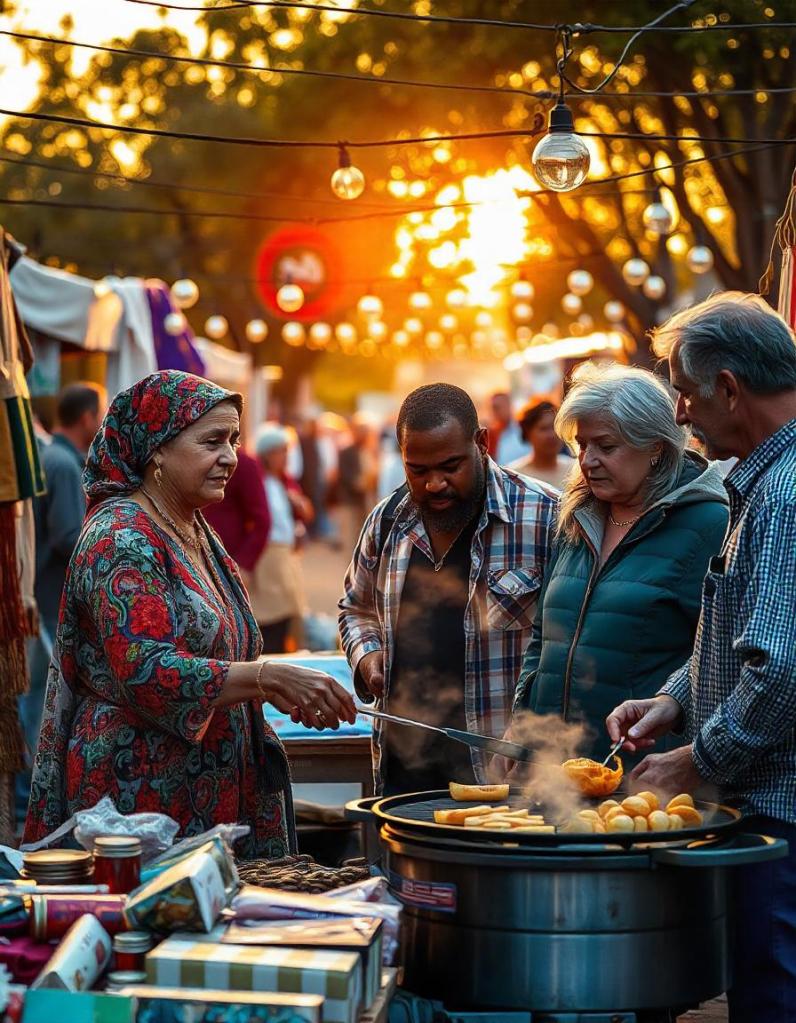
As more cities adopt community-driven practices, public spaces will evolve to become more responsive to the people who use them. From parks and plazas to waterfronts and town squares, these areas have the potential to enrich urban life and make communities more connected and resilient.
Final Thoughts on Community-Centered Public Spaces
Designing public spaces isn’t just about filling gaps in the cityscape; it’s about creating areas that enhance lives, foster interactions, and build a shared sense of belonging. By engaging communities in the design process, we can ensure that these spaces are not only functional and beautiful but genuinely cherished.
#CommunityDrivenDesign #PublicSpaces #UrbanEngagement #InclusiveDesign #SustainableCities #ArchitectureForAll

 Design and Build Data