When crafting an architectural proposal, balancing compelling storytelling with precise technical data can make a significant difference in how it resonates with clients. While clients appreciate the technical depth that architecture demands, they also connect with a story—one that paints a clear picture of how a design will benefit them, their users, and the surrounding community. In this article, we’ll dive into practical tips on how to write effective, data-backed architectural proposals that capture client attention and communicate project value.

1. Start with a Strong Narrative
Every successful architectural proposal begins with a clear story that helps clients visualize the impact of the design. Instead of jumping straight into technical details, begin by presenting a strong narrative. Describe the problem or need that the design addresses and outline how your proposed solution will meet this need. For example, you could start with, “Imagine a building that not only blends seamlessly with its natural surroundings but also enhances energy efficiency through passive solar design.” This helps clients envision the project’s potential, creating an emotional connection before diving into specifics.

2. Highlight Client-Centered Benefits
Clients are interested in how the design benefits them directly—whether that’s through reduced costs, enhanced sustainability, or improved functionality. After introducing the concept, explicitly outline the tangible benefits of the design. Focus on how the project aligns with the client’s goals and values, such as promoting sustainability, cost-effectiveness, or a stronger brand image. For instance, if the project includes sustainable elements like green roofs or energy-efficient facades, highlight how these features could lead to lower operational costs over time.

3. Use Data to Support Your Story
Once the story is established, back it up with solid data. Quantifiable data helps clients understand the real-world impact of your design. Include statistics, case studies, or metrics that validate your design decisions. For example:
- “Research shows that buildings with passive solar design can reduce energy consumption by up to 30%.”
- “Studies indicate that natural lighting in workspaces improves productivity by 15%.”
Whenever possible, include data relevant to the specific needs or interests of the client to create a proposal that feels tailored and deeply relevant.

4. Visualize Your Concepts
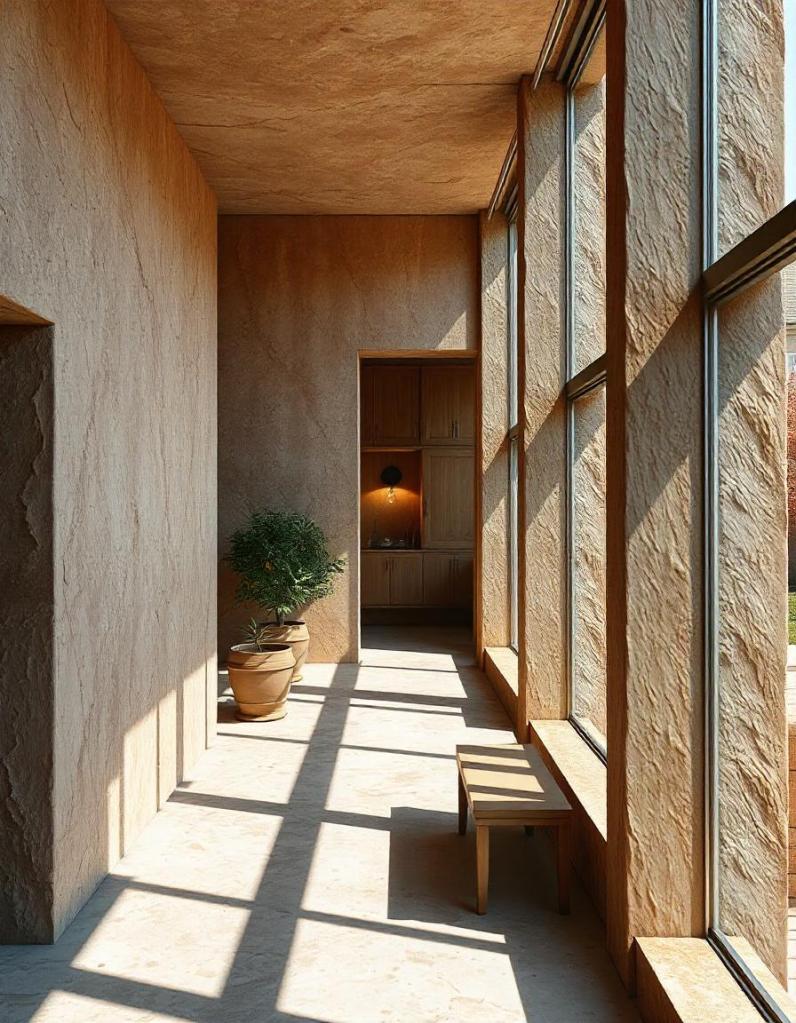
Visuals play a crucial role in telling your story. Architectural drawings, 3D renders, and diagrams can transform abstract ideas into something concrete and captivating. Incorporate these visuals strategically to complement the narrative. For example, if you’re describing an open, flexible office space, use renderings to showcase how the layout fosters collaboration and adaptability. Be sure visuals align with the client’s brand, aspirations, and the project’s overall goals, reinforcing the emotional appeal of the narrative.
5. Present Technical Details Clearly and Concisely
Technical data is essential, but it’s crucial to present it in a way that’s digestible and relevant. Use clear headings, bullet points, and short paragraphs to keep the technical section organized. Avoid overloading the proposal with jargon; instead, translate technical elements into benefits. For instance, rather than detailing every insulation material, you might write: “This high-performance insulation will ensure energy efficiency and lower heating costs, keeping the building comfortable year-round.”

6. Showcase Your Experience Through Relevant Examples
Demonstrate credibility by including case studies or examples of past projects that align with the client’s needs. Briefly describe the challenges and how your design solution addressed them, and if possible, include quantifiable results. For example: “In a recent office project, our sustainable lighting solution resulted in a 20% reduction in energy usage, helping our client meet their eco-friendly targets while reducing costs.”

7. Emphasize ROI with a Long-Term Perspective
Clients often focus on the immediate costs of a project, so it’s essential to address long-term value. Include a section that outlines the projected return on investment (ROI) of the design. Whether it’s reduced maintenance costs, energy savings, or increased property value, highlighting the financial and operational benefits over time can make a powerful case for your proposal.

8. End with a Clear Call to Action
Close the proposal with a straightforward call to action, encouraging the client to take the next step. Whether it’s scheduling a follow-up meeting, agreeing on the next stage of the project, or reviewing specific aspects of the proposal, a clear action step adds momentum and helps keep the client engaged.

Final Thoughts
Creating engaging architectural proposals is about striking the right balance between data and storytelling. By blending a clear narrative with supporting data and visuals, you can build a proposal that captures the client’s attention, demonstrates your expertise, and communicates the value of your work in a way that’s both compelling and memorable.

 Design and Build Data