In the evolving world of architecture, smart facades have become a focal point for climate-responsive design, offering a seamless blend of aesthetics and environmental adaptability. These advanced facades are engineered to react to external climatic conditions, enhancing energy efficiency while ensuring that buildings remain visually striking. As environmental concerns grow, architects and designers are increasingly exploring how smart facades can transform our relationship with built spaces, creating buildings that work with nature instead of against it.
What Are Smart Facades?
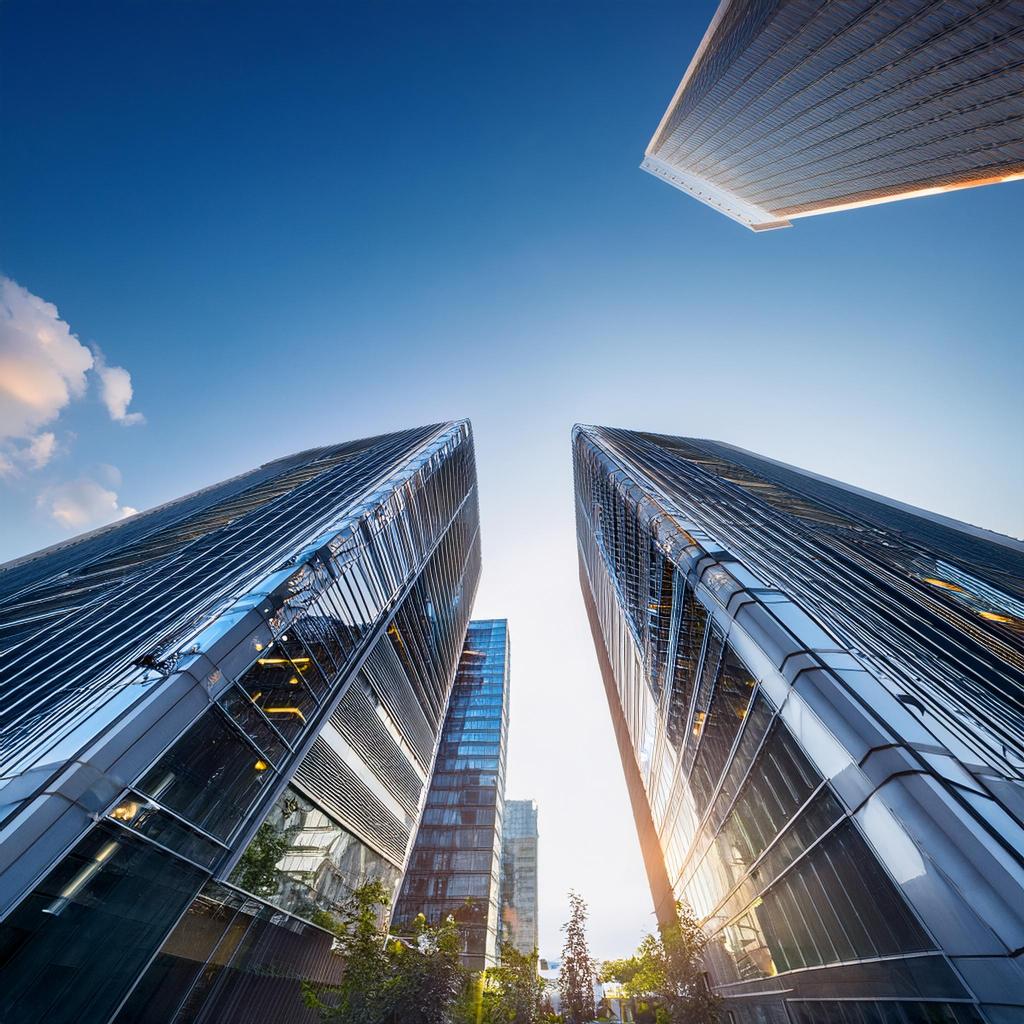
Smart facades, also known as adaptive or dynamic facades, are exterior building systems designed to respond automatically to changes in the environment. They utilize advanced materials and technologies, such as sensors, actuators, and photovoltaic cells, to monitor external conditions like sunlight, temperature, and wind. Based on these inputs, the facade adjusts itself — either through shading, insulation, or ventilation — to optimize indoor conditions without relying heavily on artificial climate control.
For example, some smart facades employ electrochromic glass that tints or clears depending on the sun’s intensity, reducing the need for air conditioning and maintaining comfortable indoor temperatures. Others have operable louvres or shades that adjust in real-time to control light penetration and reduce glare, enhancing user comfort while conserving energy.
Benefits of Smart Facades
- Energy Efficiency
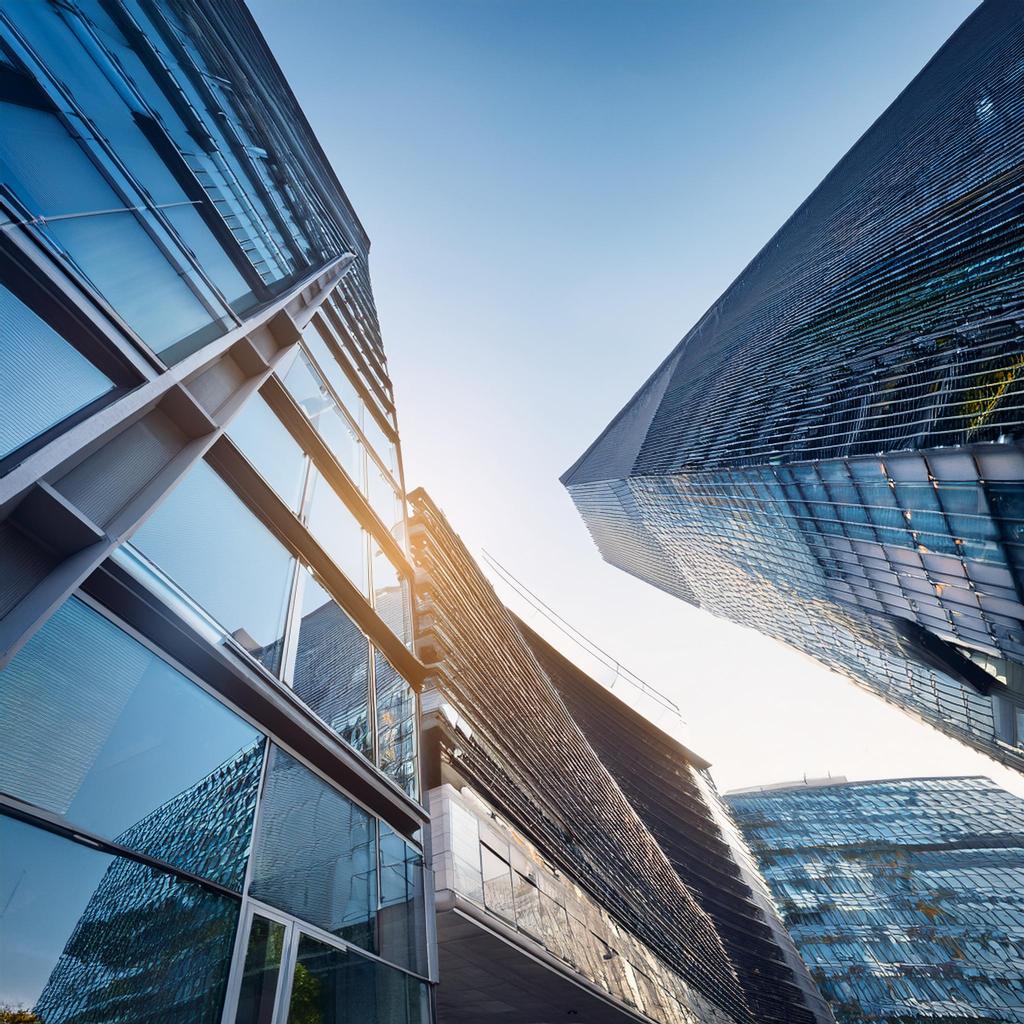
Smart facades contribute significantly to a building’s energy performance by reducing reliance on heating, ventilation, and air conditioning (HVAC) systems. During warmer months, they can minimize solar gain by adjusting shading elements or switching to tinted glass, thereby cutting down cooling needs. Conversely, in colder climates, these facades can allow more sunlight to penetrate, reducing the demand for heating. - Enhanced Indoor Comfort
Adaptive facades create a more comfortable indoor environment by automatically regulating factors like sunlight, temperature, and air quality. This ensures that occupants benefit from consistent natural lighting, reduced glare, and optimal temperatures, all of which contribute to productivity and well-being. - Aesthetic Appeal
Aside from their functional benefits, smart facades offer unique aesthetic possibilities. With movable panels, dynamic shading systems, and color-changing glass, these facades provide a visually engaging experience that can transform a building into an iconic landmark. Their changing patterns reflect the building’s interaction with its environment, adding a layer of beauty to sustainable design. - Sustainability
As climate concerns intensify, the ability of smart facades to reduce a building’s carbon footprint is increasingly valuable. By minimizing energy consumption and using sustainable materials, smart facades support green building practices and align with global sustainability goals
Examples of Smart Facade Technologies
- Electrochromic Glass
This glass adjusts its tint automatically or manually in response to sunlight, reducing the need for blinds and optimizing natural lighting. - Photovoltaic Facades
These facades integrate solar cells, generating renewable energy for the building while providing shade and insulation. - Kinetic Facades
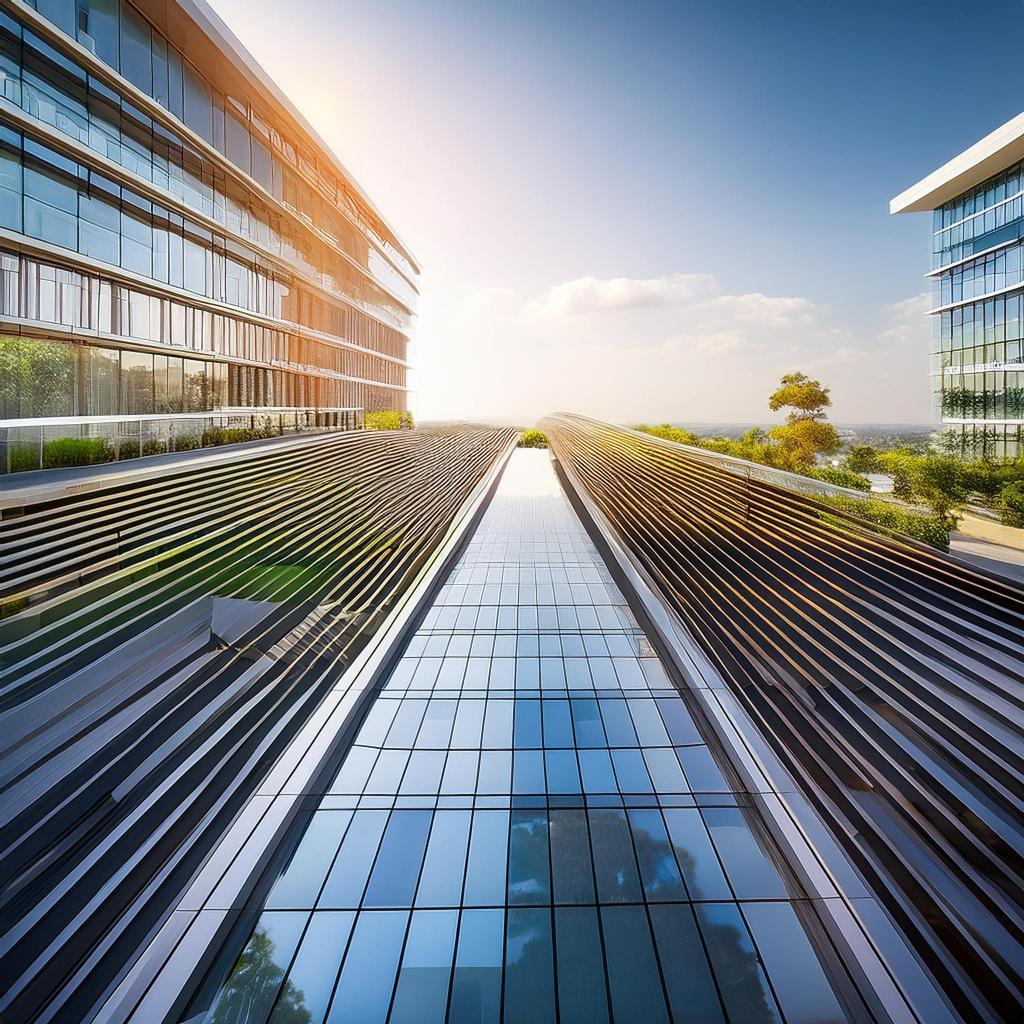
Composed of panels or screens that move in response to environmental conditions, kinetic facades adjust to sunlight, wind, and even user preferences, creating a dynamic appearance and improving energy efficiency. - Breathable Facades
These systems feature materials that control ventilation based on air quality and temperature, reducing reliance on mechanical systems for indoor air quality management.
The Future of Smart Facades
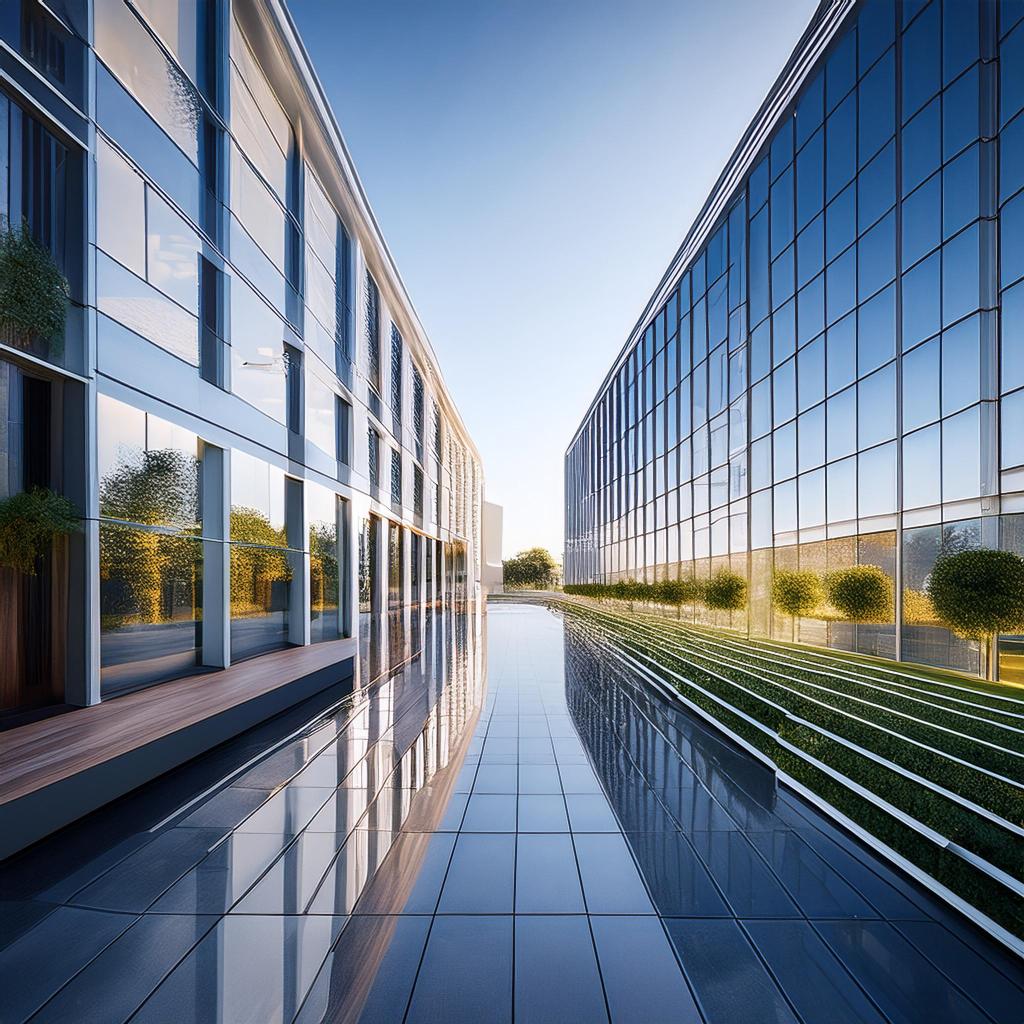
As urban centers grow and climate concerns become central to design strategies, the demand for adaptive facade systems is likely to increase. Cities with extreme climates, from hot, arid regions to colder, high-latitude areas, benefit from facades that respond intelligently to local environmental conditions. As costs of these technologies decrease and materials advance, smart facades may become the standard for high-performance building design.
Moreover, the integration of AI and IoT (Internet of Things) with facade technology opens new doors for climate-responsive design. Future smart facades could utilize machine learning to learn from daily conditions, gradually optimizing energy efficiency. Real-time data could be shared across building networks, allowing entire city blocks to react in unison to climate patterns.
Conclusion
Smart facades represent the convergence of architecture, sustainability, and technology, embodying the future of climate-responsive design. These systems not only improve a building’s energy efficiency and reduce its environmental impact but also enhance its aesthetic appeal, adding a dynamic, interactive quality that reflects the natural world. As we move toward more sustainable, resilient cities, smart facades will undoubtedly play a critical role in shaping a greener, smarter urban future.
#SmartFacade #ClimateResponsiveDesign #GreenArchitecture #SustainableDesign #BuildingInnovation #EnergyEfficiency #AdaptiveArchitecture #UrbanSustainability #DynamicFacades #EcoFriendlyBuildings

 Design and Build Data