In the modern era of architecture, data-driven design has revolutionized the way buildings are conceptualized, constructed, and managed. By using data analytics and insights gathered from technology, architects can make informed decisions that optimize energy efficiency, enhance user experience, and improve overall sustainability. This approach not only creates more intelligent buildings but also leads to spaces that respond better to the needs of occupants and the environment.
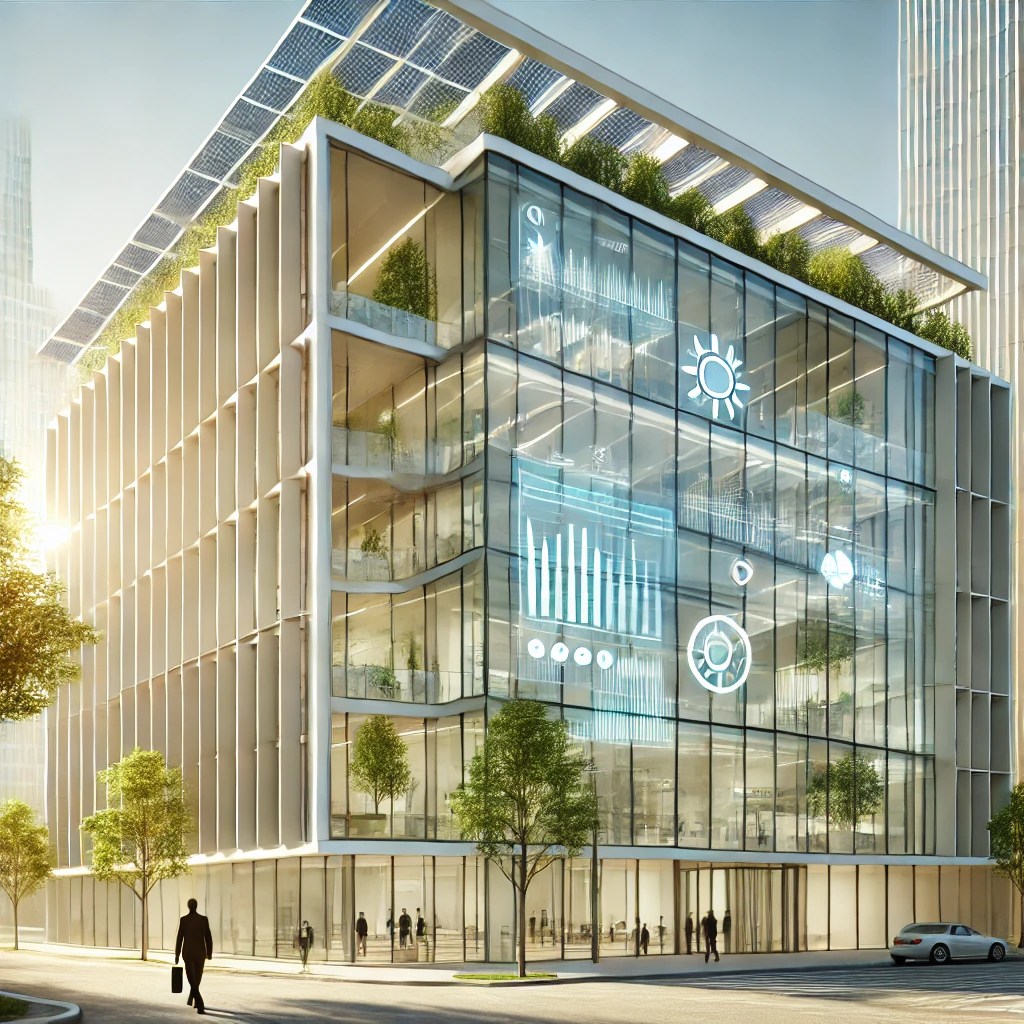
The Role of Data in Architectural Decisions
Data-driven design relies on collecting, analyzing, and interpreting large datasets related to building performance, environmental conditions, and user behaviors. This wealth of information enables architects to predict how a building will function over time and to design spaces that align with their intended purpose. Key data sources in architecture include:
- Environmental Data: Weather patterns, sunlight, and seasonal changes impact building efficiency.
- Occupancy Data: Analysis of how people use and move through spaces allows for better space optimization.
- Material Data: Insights into the properties and sustainability of materials inform choices that reduce environmental impact.

Using this data, architects can make decisions that enhance a building’s energy performance, reduce operating costs, and contribute to sustainable architecture practices.
Energy Efficiency and Sustainability
Energy efficiency is a primary focus in data-driven design. By using energy modeling software and predictive analytics, architects can design buildings that minimize energy consumption and environmental impact. For example, simulations can forecast how much natural light a building will receive, informing the design of windows, facades, and lighting systems to reduce the need for artificial lighting and improve energy efficiency.

Case Study: Smart Facades in Office Buildings
A major tech company’s headquarters in Silicon Valley incorporated a smart facade that adjusts to external environmental conditions. Using data from temperature and sunlight sensors, the facade modulates its shading and insulation properties to optimize indoor temperatures. This data-informed design decision reduced the building’s cooling load by nearly 20%, contributing to significant energy savings and a comfortable indoor environment.

Enhancing User Experience through Data
User experience is another critical area where data-driven design has had a profound impact. By analyzing user behavior within spaces, architects can understand how people interact with their environment and tailor the design to meet their needs. This can be especially important in high-traffic areas, such as offices, schools, and public buildings, where optimal layouts improve flow, reduce congestion, and enhance overall satisfaction.
Case Study: Data-Driven Office Layouts
A recent office design project in New York City used data on employee movement and space utilization to create a hybrid work environment. Sensors and feedback data revealed that employees preferred quiet zones for focused work, as well as collaborative spaces for team projects. The design team used these insights to create a layout that maximized productivity and comfort, with designated quiet areas, communal zones, and adaptable furniture arrangements.
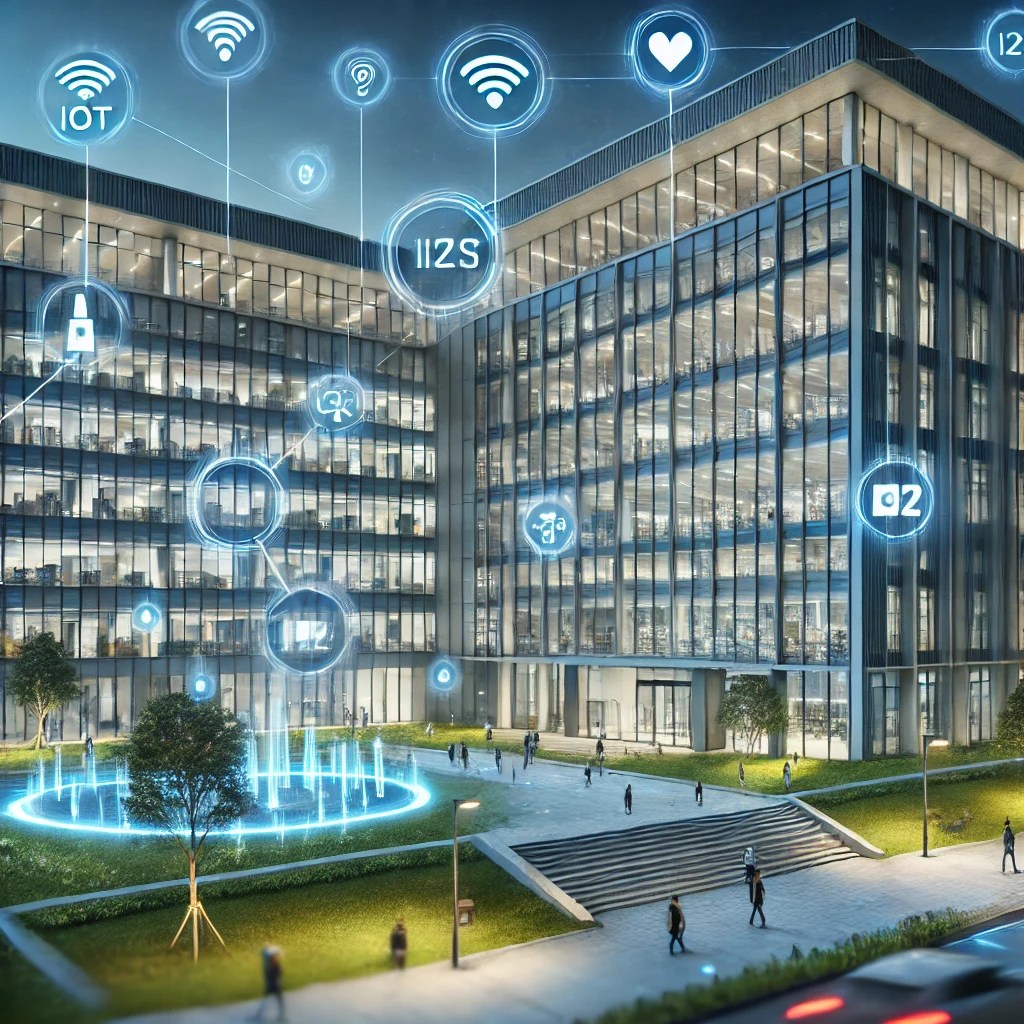
Leveraging IoT and Building Information Modeling (BIM)
The Internet of Things (IoT) and Building Information Modeling (BIM) are two technologies that drive data-driven design. IoT sensors in buildings provide real-time data on temperature, humidity, air quality, and occupancy, enabling architects to make adjustments that enhance comfort and energy efficiency. Meanwhile, BIM platforms allow for the creation of detailed 3D models that track every aspect of a building’s design and performance, from initial concept to post-construction.
Case Study: Using IoT in Smart Campus Buildings
At a university campus, IoT sensors were integrated into classroom and common areas to monitor energy use and occupancy patterns. By analyzing this data, the facility team adjusted HVAC and lighting systems based on real-time demand, leading to a 15% reduction in energy costs and a noticeable improvement in student comfort. This data-driven approach has set a standard for future campus projects focused on sustainability and user experience.
The Benefits and Future of Data-Driven Design in Architecture
The rise of data-driven architecture presents numerous advantages:
- Enhanced Energy Efficiency: Optimizing energy use not only lowers costs but also reduces the building’s carbon footprint, contributing to sustainability.
- Improved User Experience: Spaces are more responsive to the needs of occupants, leading to higher satisfaction and productivity.
- Informed Material Choices: Data enables architects to select materials that are durable, sustainable, and fit for purpose.
- Better Decision-Making: Data-backed insights allow for more precise, impactful design decisions.
As the adoption of big data and machine learning in architecture continues to grow, the future holds exciting possibilities for even smarter buildings. Advanced predictive models may soon allow architects to forecast building performance years in advance, enabling the design of adaptable structures that evolve with changing user needs and environmental conditions.
In conclusion, data-driven design is transforming the architecture industry by empowering architects to make better-informed decisions, resulting in buildings that are not only more efficient and sustainable but also more attuned to the people who use them. As more firms embrace this approach, data will become an integral tool for creating the buildings of tomorrow.

 Design and Build Data