The concept of biophilic design has gained momentum in modern architecture as a way to bring nature into urban spaces, enhancing well-being and productivity. In an era where people spend the majority of their time indoors, biophilic design provides a vital link to the natural world, fostering a deeper sense of connection, comfort, and health.
What is Biophilic Design?
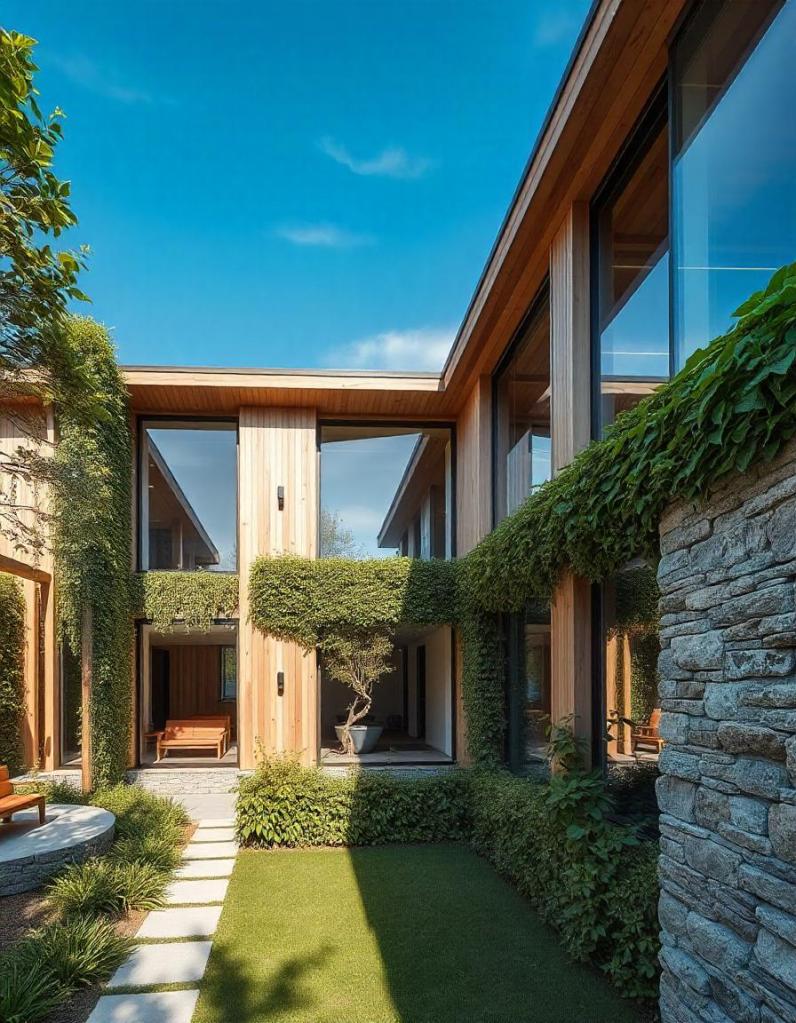
Biophilic design centers around integrating natural elements into architectural spaces to create environments that promote psychological well-being. This approach goes beyond aesthetics, focusing on design elements that mimic natural forms, lighting, and textures, all of which contribute to a restorative experience for occupants. The core of biophilic design lies in reconnecting people with nature, even in urban settings, by embedding organic elements within structures.
Key Elements of Biophilic Design
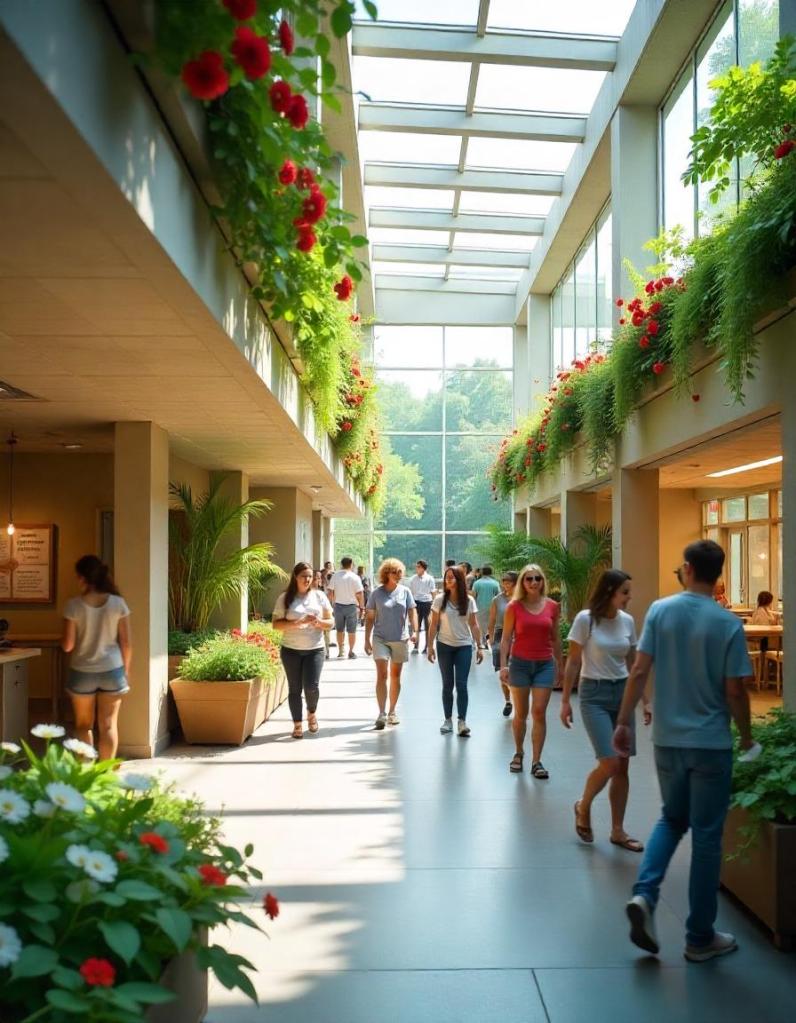
- Green Walls and Vertical Gardens Green walls, also known as living walls, are vertical gardens that bring lush greenery indoors. These walls purify the air, absorb sound, and create a serene ambiance, effectively reducing stress and fatigue among occupants. Vertical gardens are also aesthetically pleasing and inspire a connection to nature in limited spaces.
- Natural Ventilation and Fresh Air Circulation Access to fresh air is a crucial part of biophilic architecture. Natural ventilation allows air to flow through buildings, minimizing the need for artificial climate control and enhancing indoor air quality. Proper ventilation is particularly impactful in shared spaces, helping reduce indoor pollutants and creating a fresher, more invigorating environment.
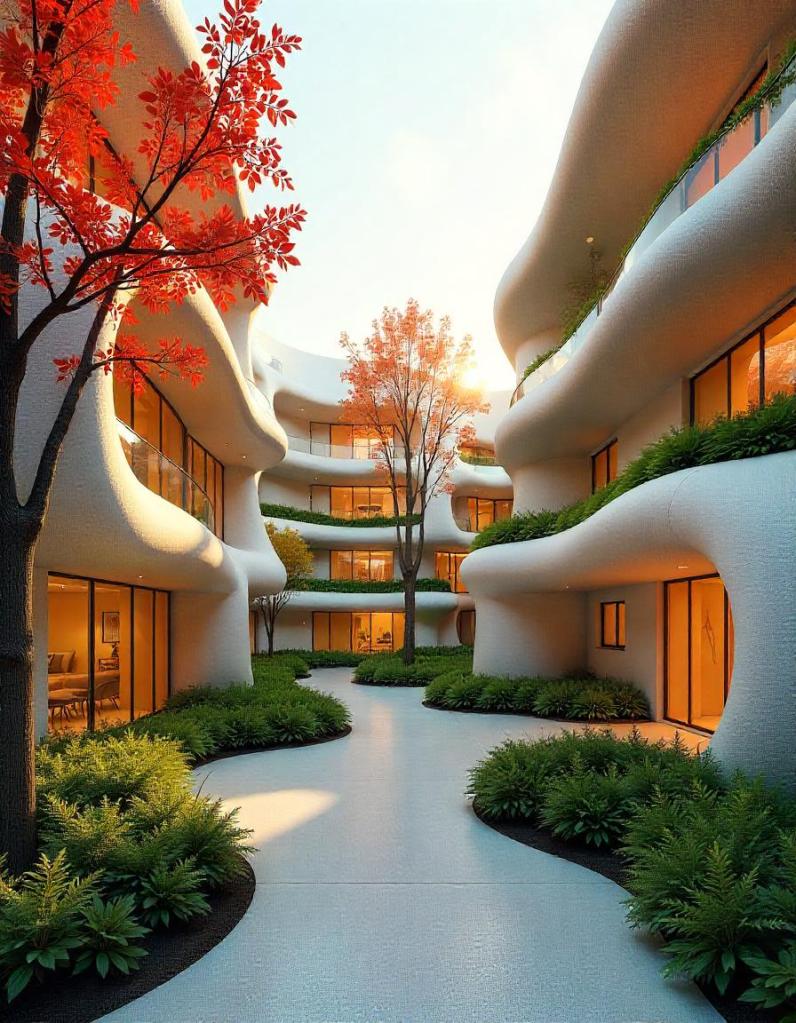
- Organic Forms and Natural Shapes The use of organic shapes and curvilinear forms inspired by nature contrasts sharply with rigid, conventional structures. These natural shapes echo landscapes found in nature, like rolling hills or flowing rivers, which can help create a soothing atmosphere. Curved elements and non-linear layouts can soften spaces, making them feel more approachable and relaxing.
- Natural Light and Biophilic Lighting Design Adequate natural lighting is essential in biophilic design. Maximizing daylight through skylights, large windows, and reflective surfaces allows natural light to permeate spaces, reducing dependence on artificial lighting. Studies have shown that exposure to natural light can improve mood, boost productivity, and regulate sleep patterns.
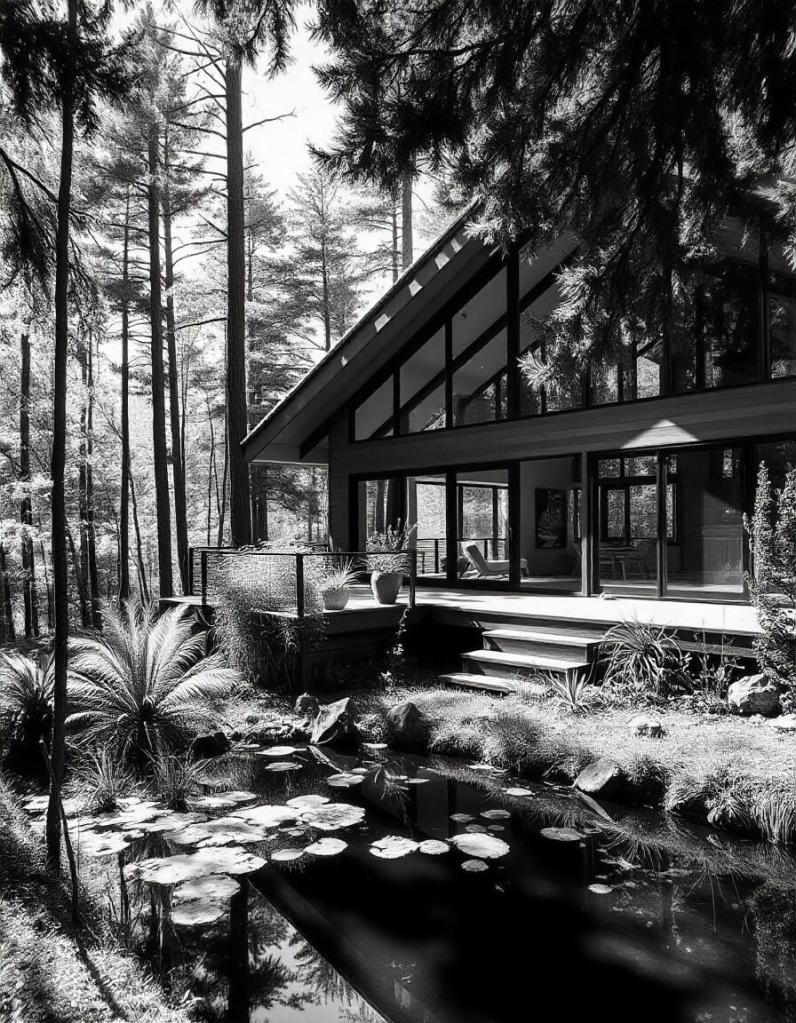
- Water Features and Nature Sounds Incorporating water features like fountains, waterfalls, or small ponds adds another sensory element to buildings. The sound and sight of water create a calming effect, reminiscent of nature. Moreover, the presence of water indoors can increase humidity levels, which is especially beneficial in dry environments.
Health and Productivity Benefits of Biophilic Design
Biophilic design is known to enhance both mental and physical health. Research indicates that exposure to nature-inspired environments reduces stress, enhances focus, and even boosts creativity. Employees working in biophilic spaces report lower stress levels, while schools utilizing natural designs observe improved cognitive function and higher academic performance in students. Additionally, patients in hospitals with access to natural views and elements often experience faster recovery rates.
- Increased Productivity: Offices with biophilic elements experience higher productivity as employees feel more connected, relaxed, and motivated in naturally inspired environments.
- Enhanced Well-being: Natural settings help decrease cortisol levels and encourage relaxation, improving overall mental well-being.
- Environmental Benefits: Green walls and indoor plants contribute to better air quality and reduced carbon dioxide levels, creating a healthier environment for all occupants.

Biophilic Design in Practice: Real-World Applications
Biophilic design is being embraced in various settings worldwide. From corporate offices with indoor gardens to apartment buildings with natural light corridors, the integration of nature is redefining the user experience in built environments.
- Google’s Bay View Campus incorporates green roofs and open-air layouts that encourage airflow and natural light, exemplifying how biophilic design improves workplace well-being.
- Singapore’s Changi Airport boasts a massive indoor garden, a waterfall, and skylights, creating a tranquil atmosphere that promotes relaxation amidst bustling travel.
- Pasona Group Headquarters in Tokyo includes indoor urban farms where employees can grow their food, merging productivity with well-being.
The Future of Biophilic Design
As urbanization increases, the demand for sustainable and biophilic architecture continues to grow. Future trends in biophilic design are expected to integrate more advanced green technologies, such as smart lighting systems that mimic natural daylight and automated climate control influenced by outdoor conditions.

Embracing Biophilic Design for a Healthier Tomorrow
Biophilic design is more than a trend; it is a transformative approach to modern architecture that aligns with human needs for natural connection. By incorporating elements like green walls, natural light, and organic forms, architects can create spaces that foster well-being, productivity, and a profound sense of harmony with nature.
Key Takeaways
- Green Walls and Vertical Gardens purify indoor air and add greenery to limited spaces.
- Natural Ventilation improves air quality and reduces indoor pollutants.
- Organic Forms in architecture bring a natural flow and relaxation.
- Natural Light contributes to productivity, mood enhancement, and sleep regulation.
- Biophilic spaces boost mental well-being, productivity, and creativity.
By integrating nature into urban life, biophilic design bridges the gap between city living and the natural world, proving that design can indeed enhance human experience and well-being.

#BiophilicDesign #ModernArchitecture #Wellbeing #GreenArchitecture #SustainableDesign #HealthInBuildings #NatureInspired #GreenSpaces #Productivity #ArchitecturalDesign

 Design and Build Data