Building-Integrated Photovoltaics (BIPV): Revolutionizing Sustainable Architecture

As the world increasingly shifts towards renewable energy, Building-Integrated Photovoltaics (BIPV) has emerged as a groundbreaking innovation in sustainable architecture. Unlike traditional solar panels that are mounted on top of a building, BIPV seamlessly integrates photovoltaic materials into a building’s structure, serving both as functional building components and renewable energy generators. This dual-purpose technology has gained significant traction due to its ability to blend aesthetics with energy efficiency, offering a future-forward solution for sustainable urban development.
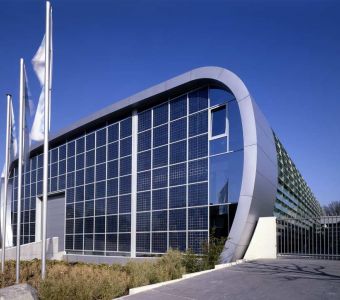
What is BIPV?

Building-Integrated Photovoltaics (BIPV) refers to the integration of photovoltaic materials into the outer layers of buildings, such as facades, roofs, windows, and skylights. These materials convert sunlight into electricity while serving as a vital part of the building’s envelope, eliminating the need for additional, stand-alone solar installations. BIPV systems can be made from various types of solar cells, including thin-film, monocrystalline, and polycrystalline technologies, depending on the design and energy requirements of the building.
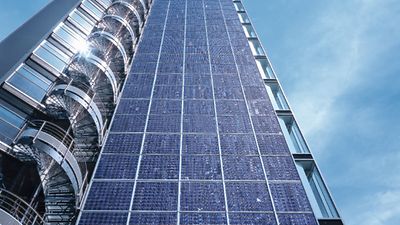
Key Benefits of BIPV

1. Aesthetic Integration:
One of the most significant advantages of BIPV is its ability to enhance building aesthetics. Unlike traditional solar panels, which can be bulky and visually intrusive, BIPV systems can blend seamlessly into a building’s design. This allows architects and developers to maintain clean, modern aesthetics while meeting energy efficiency goals. BIPV can be customized to match different styles, colors, and materials, ensuring the design is both functional and visually appealing.

2. Energy Efficiency and Cost Savings:
BIPV systems generate renewable energy on-site, reducing the building’s reliance on fossil fuels. By converting sunlight into electricity, these systems significantly lower energy bills and reduce greenhouse gas emissions. In many cases, BIPV can contribute to net-zero energy buildings, where the energy generated equals the energy consumed. Over time, the cost savings from reduced energy consumption offset the initial investment in BIPV technology, making it a cost-effective solution in the long term.

3. Space Optimization:
Traditional solar panels require additional space, often leading to complex installation challenges on rooftops. BIPV, on the other hand, integrates directly into the building’s existing surfaces, eliminating the need for extra structural support or dedicated solar areas. This makes BIPV particularly valuable in urban environments where space is at a premium.

4. Sustainability and Environmental Impact:
As an environmentally friendly technology, BIPV supports the broader goals of sustainable architecture by reducing carbon footprints and promoting energy independence. By using renewable energy sources and reducing the need for conventional building materials, BIPV minimizes resource consumption and waste. This technology aligns with green building certifications like LEED (Leadership in Energy and Environmental Design), helping projects meet strict environmental standards.
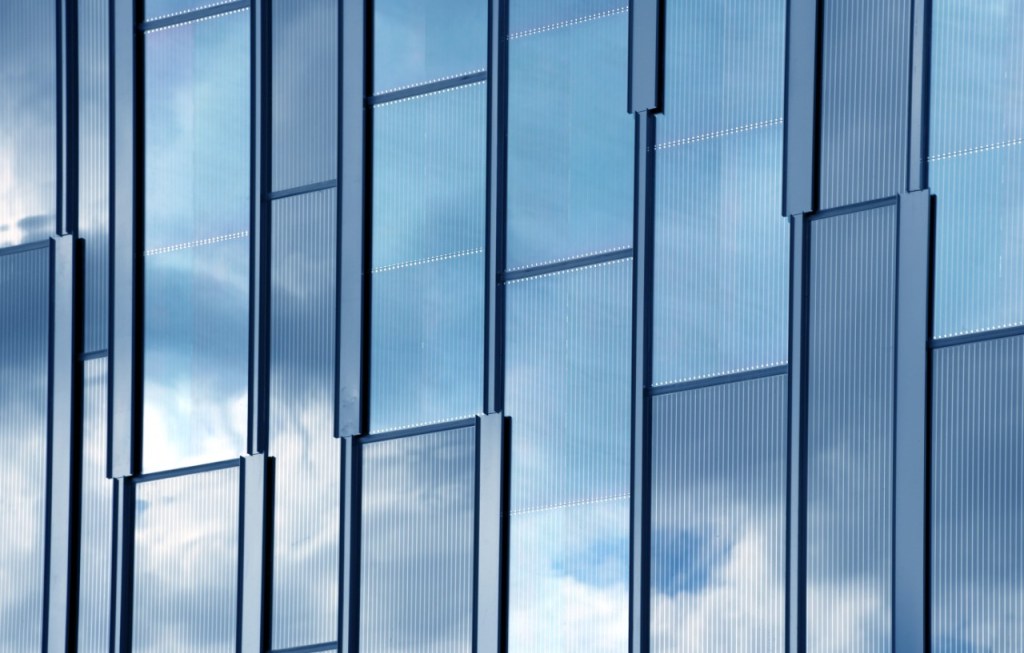
BIPV Applications in Architecture

BIPV can be applied in various ways across different building components:

  • BIPV Roofing:
    BIPV materials can replace conventional roofing materials, such as tiles or shingles, and generate electricity while protecting the building from the elements. These systems are ideal for sloped roofs in residential and commercial buildings.
  • BIPV Facades:
    Photovoltaic modules can be incorporated into curtain walls, cladding, or other vertical surfaces. This is particularly useful for high-rise buildings where rooftop space is limited. The facades can produce energy while providing insulation and weather protection.
  • BIPV Skylights and Windows:
    Specialized photovoltaic glass can be used in windows and skylights, allowing natural light to enter while generating energy. This innovation is perfect for maximizing daylighting in office buildings or homes while reducing energy costs.

Challenges and Considerations

While BIPV offers numerous advantages, it is not without challenges. One of the primary barriers is cost. The initial investment for BIPV materials and installation can be higher than traditional building materials and standalone solar panels. However, when factoring in the long-term energy savings and reduced maintenance, the return on investment (ROI) can be significant.
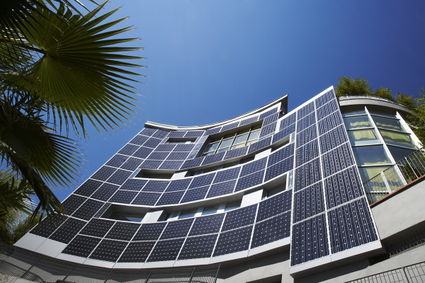
Another consideration is efficiency. Although BIPV systems provide the dual function of building materials and energy generators, they may not be as efficient as conventional solar panels in some cases. Architects and engineers must carefully assess the building’s orientation, climate, and shading to optimize BIPV performance.

Lastly, regulatory and code compliance can be a hurdle, as BIPV technology may not be explicitly addressed in all local building codes. It’s essential to consult with local authorities and professionals experienced in sustainable architecture to ensure compliance with regulations.

Future Trends in BIPV

The future of BIPV looks promising as advancements in photovoltaic technology continue to enhance its performance and affordability. Emerging materials like organic photovoltaics (OPV) and perovskite solar cells are expected to improve efficiency and offer more design flexibility. These materials are lightweight and can be applied to various building surfaces, opening up new possibilities for BIPV integration.

In addition, governments around the world are implementing policies and incentives that promote the adoption of renewable energy technologies like BIPV. As sustainability becomes a central focus of urban planning, BIPV will likely become a standard feature in new construction projects, contributing to the rise of smart cities and net-zero energy buildings.

Conclusion

Building-Integrated Photovoltaics (BIPV) is a game-changer in the world of sustainable architecture. By seamlessly integrating renewable energy generation into building designs, BIPV offers an efficient, aesthetically pleasing, and eco-friendly solution for modern construction. As the technology evolves and becomes more accessible, BIPV will play a crucial role in shaping a more sustainable and energy-efficient future for urban environments.

Ready to explore how BIPV can transform your next project? Consider incorporating this cutting-edge technology into your designs for a greener, more efficient tomorrow.

#BIPV #SustainableArchitecture #GreenBuilding #RenewableEnergy #SolarPower #EnergyEfficiency #BuildingDesign #SmartBuildings #NetZero
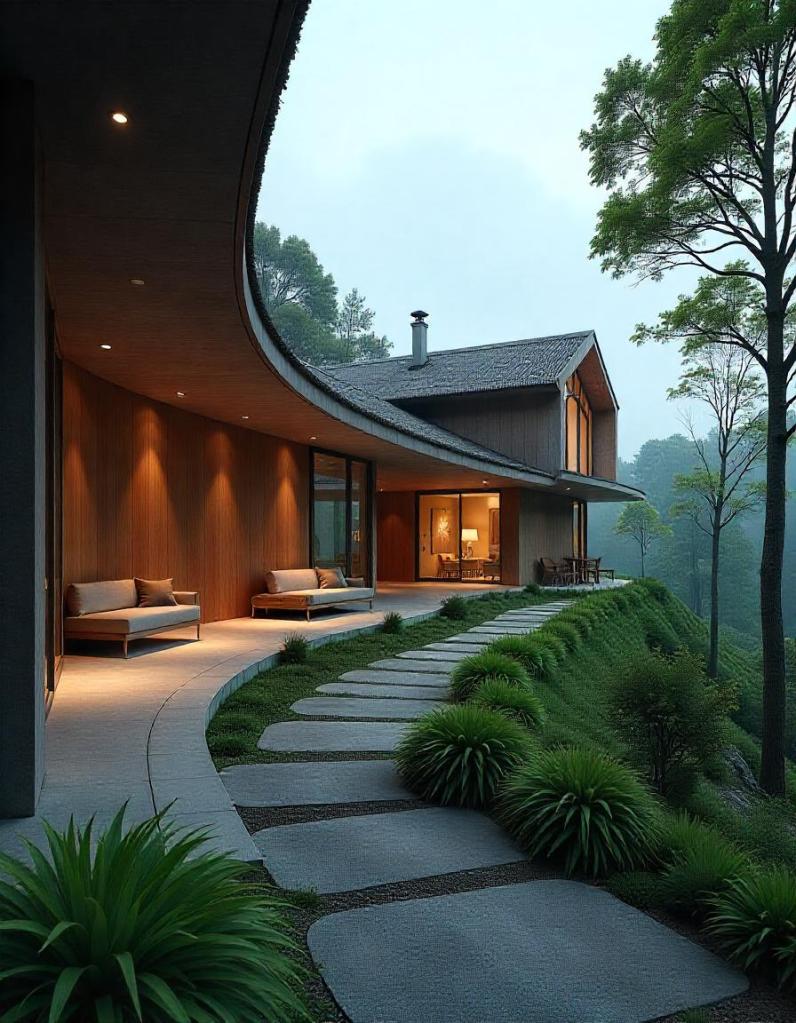
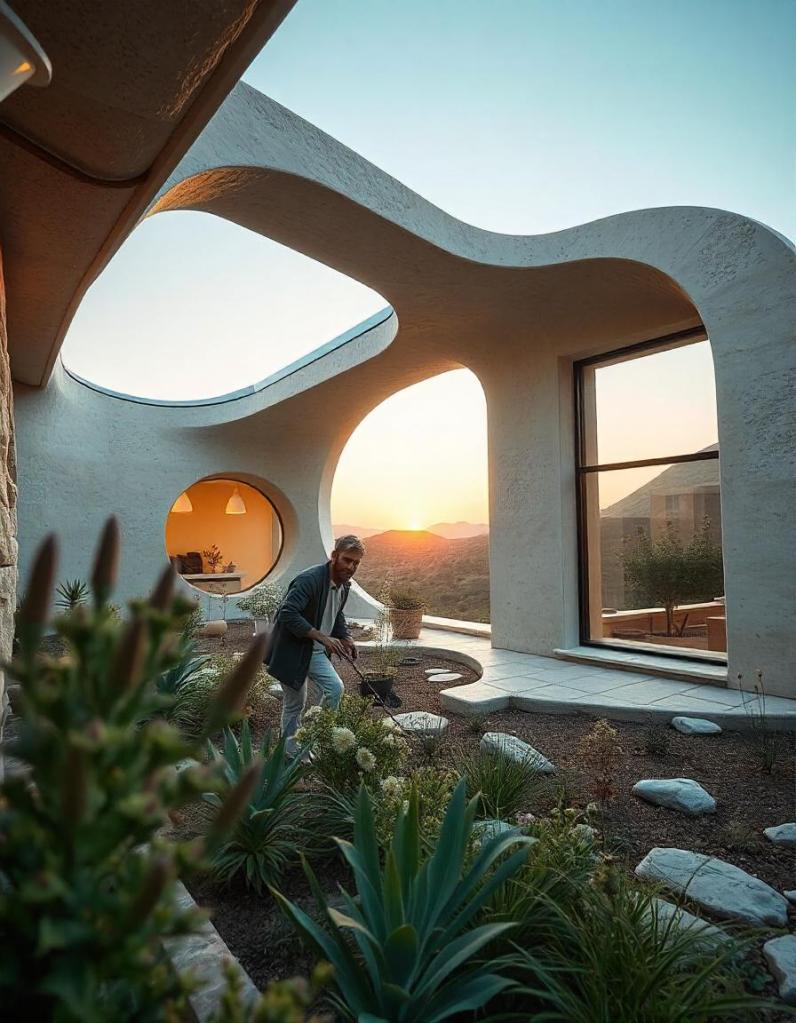
Eco Design in Architecture: The Future of Sustainable Building

Eco design, or sustainable architecture, has emerged as an essential discipline within the architectural profession, driven by the urgent need to mitigate climate change and reduce the ecological footprint of the built environment. This approach integrates advanced technologies and innovative methodologies to create buildings that are not only energy-efficient but also socially and economically sustainable, promoting environmental stewardship throughout a structure’s lifecycle.

1. Understanding Eco Design in Architecture

Eco design focuses on minimizing a building’s environmental impact by considering its entire lifecycle, from material selection and construction techniques to energy consumption and waste management during operation. The overarching objective is to harmonize buildings with the natural environment while maintaining or enhancing occupant comfort and operational efficiency.

Key elements of eco design include:

  • Sourcing low-embodied energy materials to minimize carbon emissions.
  • Life-cycle analysis (LCA) to assess the long-term environmental impact of construction materials.
  • Optimized building orientation and site-specific designs that leverage local environmental conditions.
  • Advanced Building Management Systems (BMS) for efficient energy use and climate control.

2. Core Principles of Eco Design

Sustainable architecture adheres to several key principles to ensure reduced resource consumption and enhanced ecological integration:

  • Energy Efficiency: Passive design strategies—such as thermal massing, advanced insulation techniques, and high-performance glazing—are foundational. Passive solar design optimizes the use of natural light and solar gain, while innovations like photovoltaic façades further enhance energy independence by generating renewable energy on-site.
  • Water Efficiency: Incorporating greywater recycling systems, rainwater harvesting, and xeriscaping for landscape management reduces freshwater consumption and enhances the overall sustainability of the building. Low-flow plumbing fixtures and water-efficient irrigation systems contribute to the building’s water footprint reduction.
  • Material Selection: The focus is on materials with low embodied energy, like recycled steel, cross-laminated timber (CLT), and rammed earth, all of which offer superior sustainability profiles. Material selection is informed by cradle-to-cradle principles, ensuring that products can be reused or recycled at the end of their lifecycle.
  • Minimizing Environmental Impact: By employing prefabricated construction methods and modular building techniques, architects can significantly reduce onsite waste and energy use. Local sourcing of materials minimizes transportation emissions, while low-VOC (volatile organic compounds) paints and finishes improve indoor air quality.

3. Innovative Eco-Friendly Technologies

Sustainable architecture increasingly integrates cutting-edge technologies to enhance building performance, reduce energy consumption, and optimize resource use:

  • Building-Integrated Photovoltaics (BIPV): Photovoltaic panels are incorporated directly into the building envelope, including façades and roofs, blending aesthetic considerations with renewable energy generation.
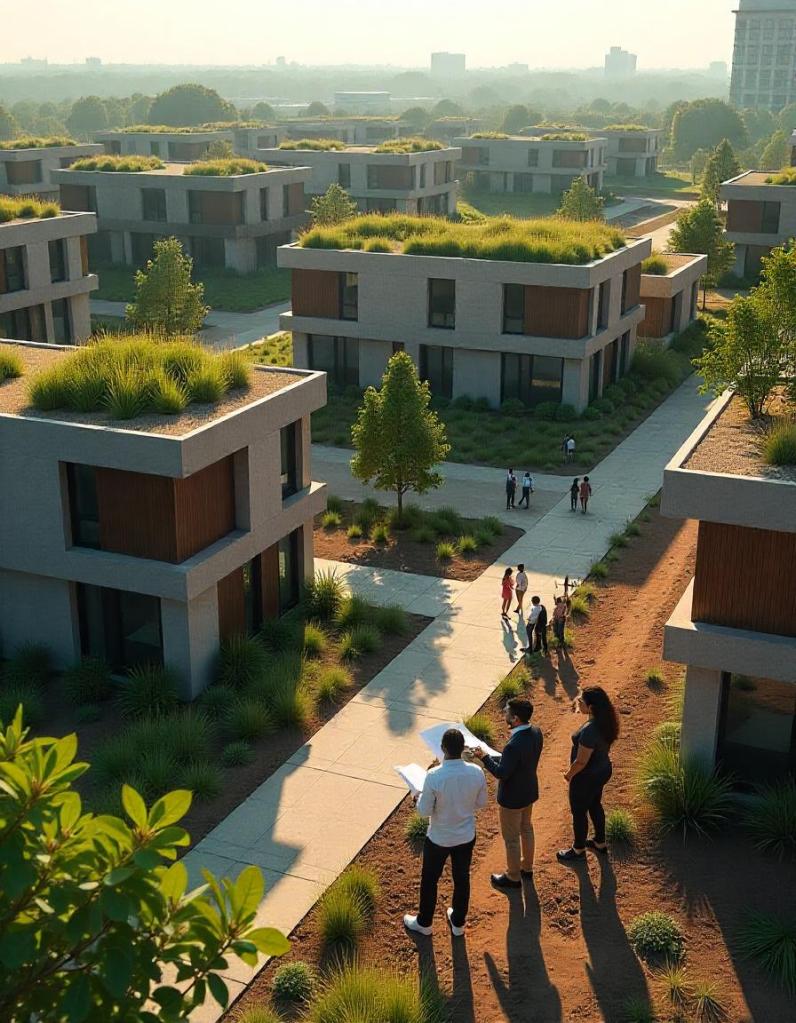
  • Green Roofs and Living Walls: These features enhance insulation, reduce urban heat island effects, and support biodiversity. Green infrastructure can manage stormwater runoff while also providing an additional layer of thermal insulation, improving the building’s energy efficiency.
  • Geothermal HVAC Systems: Utilizing the stable underground temperature, geothermal heat pumps provide an efficient and renewable method for heating and cooling buildings. This reduces the building’s dependency on fossil fuels and ensures a lower carbon footprint.
  • Advanced Building Automation Systems (BAS): These systems use real-time data from sensors to regulate lighting, heating, ventilation, and air conditioning (HVAC), as well as other building operations. Automated systems ensure the building uses only the energy required at any given moment, significantly cutting down waste.

4. Benefits of Eco Design in Architecture

Eco design offers far-reaching benefits, extending beyond environmental conservation to include economic, social, and health advantages:

  • Environmental Impact: Reducing carbon emissions, lowering energy use, and implementing waste management strategies directly contribute to combating climate change and resource depletion. Net-zero energy buildings (NZEB) and carbon-neutral structures are the ultimate benchmarks in sustainable architecture.
  • Economic Gains: Although the upfront costs for eco-designed buildings may be higher, the life-cycle cost analysis (LCCA) demonstrates considerable savings due to lower operational costs, energy savings, and reduced maintenance expenses. Moreover, green certifications like LEED (Leadership in Energy and Environmental Design) or BREEAM (Building Research Establishment Environmental Assessment Method) often increase property value and marketability.
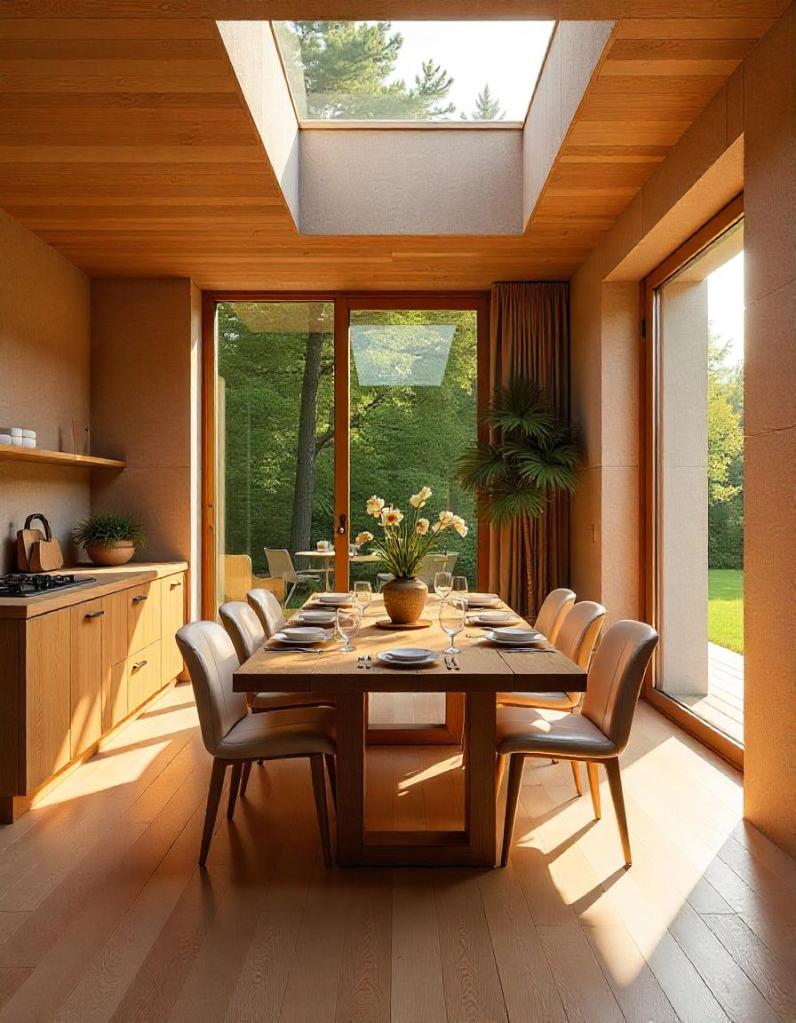
  • Occupant Health and Well-being: By improving indoor air quality with air purification systems and maximizing natural ventilation, eco-designed buildings enhance the overall health of occupants. Natural daylighting strategies and the use of non-toxic materials ensure a healthier indoor environment that promotes both physical and mental well-being.

5. Challenges of Implementing Eco Design

While eco design provides numerous benefits, it also faces technical and regulatory challenges:

  • High Initial Costs: The upfront capital investment in green technologies like solar PV systems, geothermal heat pumps, and high-performance building materials can be significant. However, government subsidies, tax incentives, and reduced long-term operating costs often offset these initial expenditures.
  • Technical Expertise: Sustainable architecture requires specialized knowledge in green building codes, energy modeling, and sustainable urban planning. The learning curve for integrating new technologies can be steep, requiring continuous professional development for architects and engineers.
  • Regulatory Barriers: In some jurisdictions, building codes or zoning laws may not yet accommodate innovative sustainable design practices, slowing down the adoption of eco design principles.

6. The Future of Eco Design in Architecture

Looking ahead, the future of eco design is shaped by emerging technologies and evolving environmental challenges. The next frontier in eco design is regenerative architecture, which not only minimizes harm but also seeks to restore and improve natural ecosystems. Biophilic design and nature-based solutions will become more prominent, integrating natural systems into urban environments.

Buildings of the future will likely rely on artificial intelligence (AI) to optimize energy performance in real-time, while 3D printing and robotic construction methods will reduce construction waste and improve precision in sustainable building practices.

Conclusion

Eco design in architecture is critical to addressing global environmental challenges. By prioritizing energy efficiency, sustainable material use, and cutting-edge green technologies, eco-designed buildings can help create a more sustainable, healthy, and equitable future. As the architectural industry continues to innovate, eco design will play a leading role in shaping the cities and communities of tomorrow.

#EcoDesign #SustainableArchitecture #GreenBuilding #RenewableEnergy #EnergyEfficiency #NetZero #SmartBuildings #LEED #GreenTechnology #SustainableLiving

Carbon-Neutral Architecture: Building a Sustainable Future

In the modern world, buildings contribute nearly 40% of global carbon emissions, making the construction and operation of structures a significant factor in climate change. As we transition towards a greener economy, carbon-neutral architecture is gaining prominence as a critical solution to reducing the environmental impact of our built environment. This comprehensive article delves into what carbon-neutral architecture entails, its key components, and how architects are designing for a more sustainable future.

What is Carbon-Neutral Architecture?

Carbon-neutral architecture refers to buildings that are designed and constructed to achieve net-zero carbon emissions. This means that throughout their lifecycle—from construction to demolition—these structures either produce no carbon emissions or offset any emissions they do produce by implementing carbon-reduction measures. This approach aims to minimize the negative environmental impact of buildings, a necessity given the growing urgency of climate change.
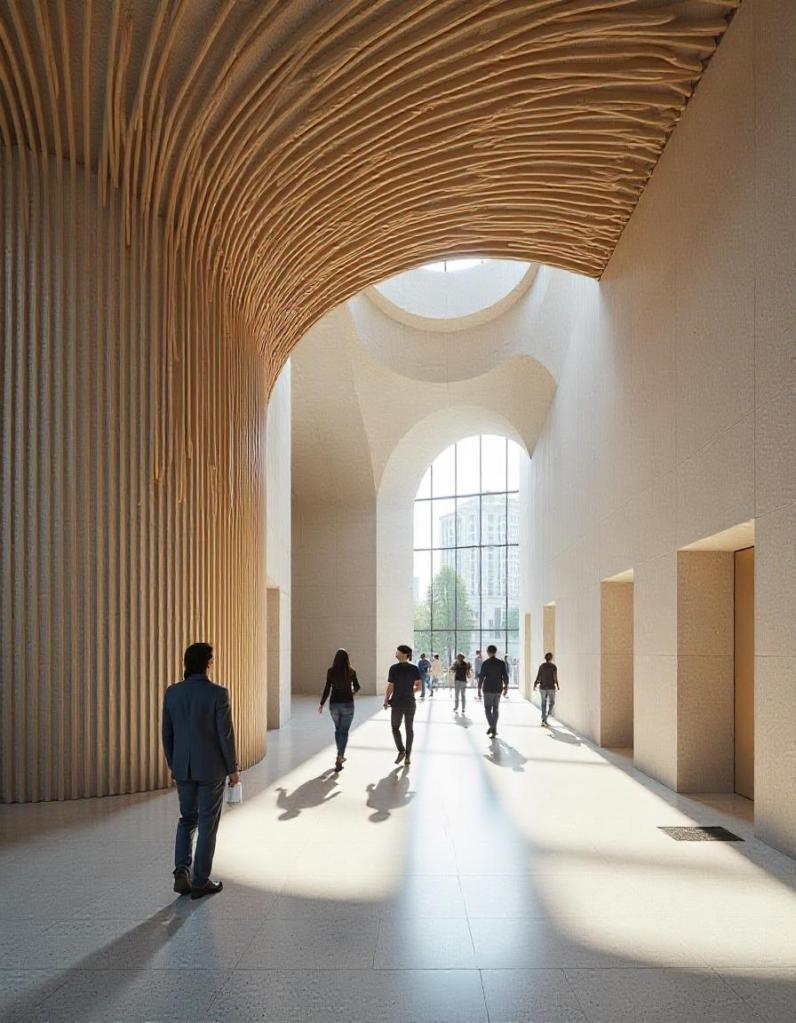
By focusing on renewable energy, sustainable materials, and energy-efficient design, architects are transforming the way we build, ensuring that future structures contribute positively to the environment instead of exacerbating the climate crisis.

The Growing Need for Carbon-Neutral Buildings

The construction industry is responsible for significant environmental degradation, including high energy use and the emission of greenhouse gases. With increasing global temperatures and the devastating effects of climate change becoming more evident, the demand for sustainable building solutions has never been higher.

In response to this challenge, carbon-neutral buildings have become a cornerstone of the solution. Achieving carbon neutrality in architecture is not just an environmental choice but an economic one as well. Governments and businesses alike are recognizing the long-term benefits of reducing carbon footprints, not only to comply with regulations but also to enhance energy efficiency and cost savings.

As we look towards the future, carbon-neutral architecture is set to become the new standard in building design, as both public and private sectors invest in sustainable practices that promise lower operational costs, healthier environments, and a reduced impact on the planet.

Key Components of Carbon-Neutral Architecture

Achieving carbon neutrality in architecture requires a multifaceted approach. Below are the key elements that contribute to designing and constructing carbon-neutral buildings:

1. Renewable Energy Integration

One of the primary methods to reduce carbon emissions in buildings is through the integration of renewable energy sources. Traditional energy consumption in buildings comes from fossil fuels, which produce significant amounts of carbon dioxide (CO2) and other harmful gases. By incorporating solar panels, wind turbines, geothermal energy, and other renewable energy technologies, buildings can generate clean, sustainable energy.

Solar Panels and Photovoltaic Systems

Solar energy is one of the most widely used renewable energy sources in carbon-neutral buildings. Photovoltaic (PV) panels are installed on rooftops or façades to capture sunlight and convert it into electricity, significantly reducing a building’s reliance on non-renewable energy sources. With advancements in solar technology, PV systems have become more efficient, affordable, and accessible for various building types.

Wind Power Integration

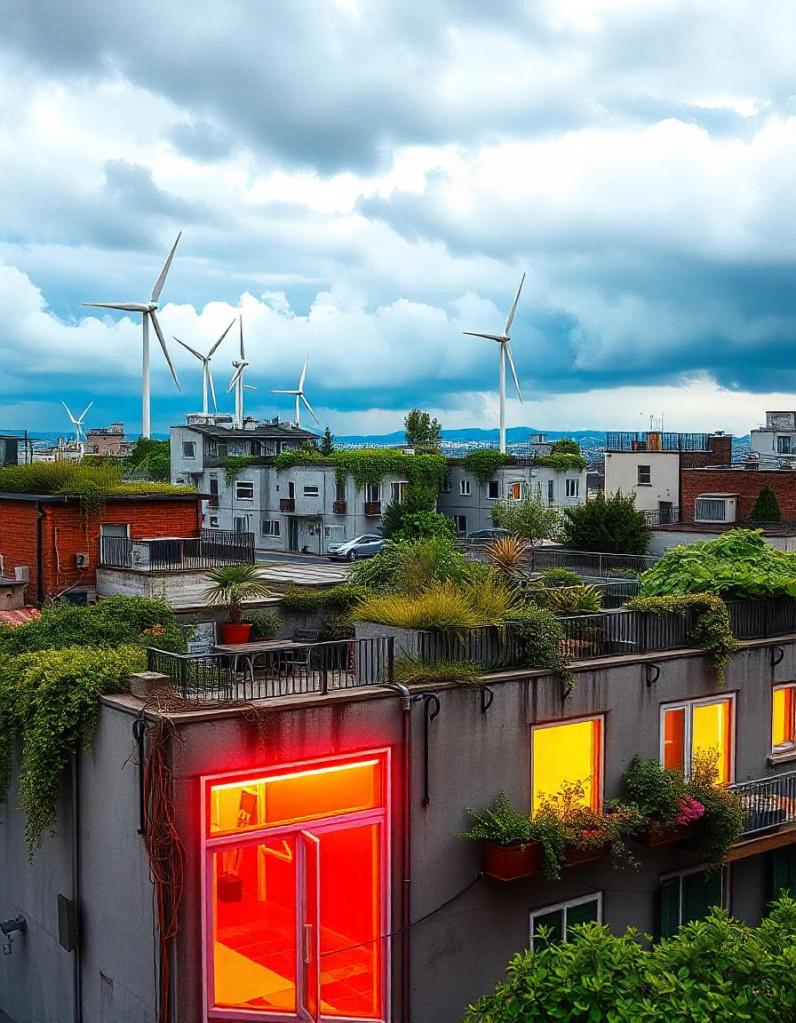
Although not as common as solar energy, wind power can also be harnessed for buildings. Small-scale wind turbines are an option for structures located in windy regions, allowing them to generate renewable energy on-site.

Geothermal Heating and Cooling Systems

Geothermal systems use the earth’s stable temperatures to provide energy-efficient heating and cooling. By tapping into the constant temperatures underground, these systems can significantly reduce the energy required to maintain indoor comfort, thereby lowering carbon emissions.

2. Carbon Offsetting

While many carbon emissions can be reduced through renewable energy, some emissions are inevitable, especially during the construction phase. To counterbalance this, architects and developers implement carbon offsetting strategies.

Carbon offsetting involves compensating for the carbon emissions produced by investing in projects that reduce or capture carbon elsewhere. These can include:

  • Reforestation and afforestation projects
  • Renewable energy investments
  • Carbon capture and storage technologies

Through these initiatives, the net carbon impact of a building can be brought down to zero, ensuring that the structure does not contribute to global warming.

3. Sustainable Building Materials

Choosing the right materials is crucial for achieving carbon-neutral architecture. Traditional construction materials such as concrete and steel are highly carbon-intensive due to the energy required to produce and transport them. By using sustainable materials, architects can significantly reduce a building’s embodied carbon—the total amount of carbon emitted during the production of building materials.

Low-Carbon Concrete and Alternatives

Low-carbon concrete is gaining popularity as a sustainable alternative to traditional concrete. This material uses less cement (a significant carbon emitter) and incorporates byproducts like fly ash and slag, which help reduce the overall carbon footprint of construction. Additionally, other innovative alternatives like hempcrete (made from hemp fibers and lime) and bamboo (a rapidly renewable resource) are being adopted for their low environmental impact.

Recycled and Upcycled Materials

Using recycled and upcycled materials is another effective way to reduce embodied carbon. Architects are increasingly turning to materials like recycled steel, glass, and reclaimed wood to minimize waste and lessen the need for new resource extraction. These materials not only reduce carbon emissions but also contribute to the circular economy, where resources are continuously reused and repurposed.

4. Energy-Efficient Design and Passive Strategies

Designing energy-efficient buildings is central to carbon-neutral architecture. Passive design strategies play a crucial role in minimizing energy consumption by utilizing natural elements like sunlight, wind, and thermal mass to regulate indoor temperatures.

Daylighting and Natural Ventilation

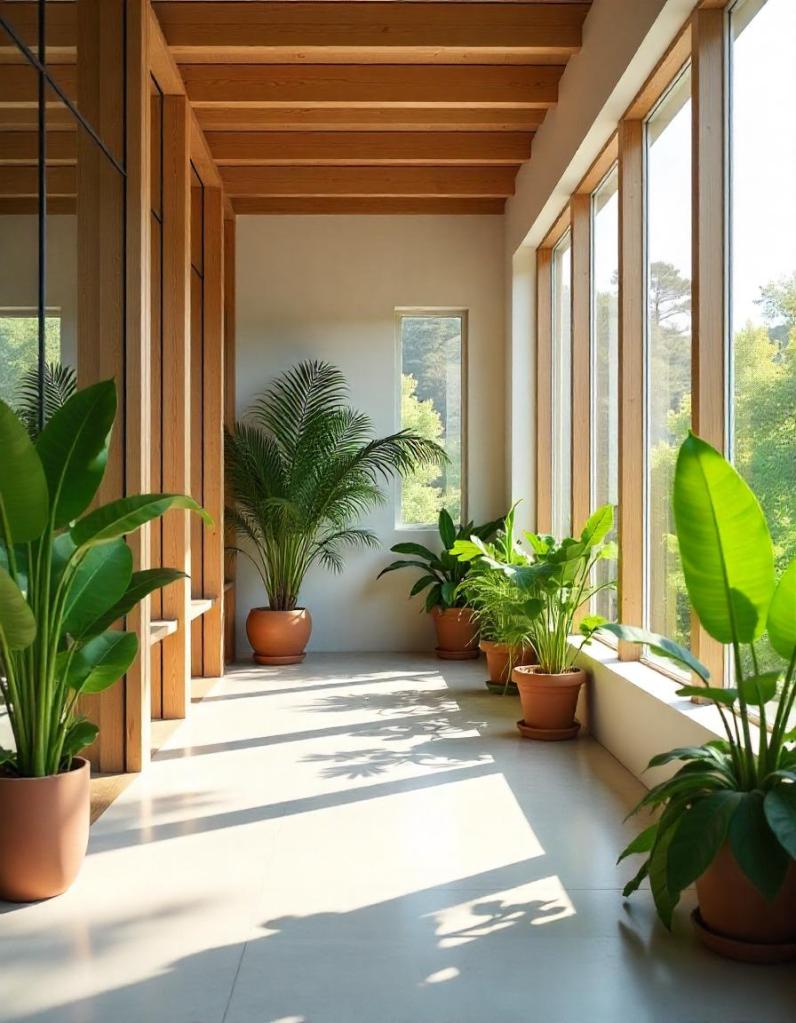
Daylighting is the practice of maximizing natural light in a building to reduce the need for artificial lighting. Large windows, light wells, and reflective surfaces are commonly used to distribute natural light throughout a space, decreasing energy use and improving indoor comfort.

Similarly, natural ventilation allows for fresh air circulation without relying on energy-intensive HVAC systems. By strategically placing windows, vents, and other openings, architects can take advantage of natural breezes to cool and ventilate indoor spaces.

High-Quality Insulation and Thermal Mass

Proper insulation is critical for reducing heating and cooling demands. High-quality insulation keeps buildings at a comfortable temperature year-round by preventing heat loss in the winter and heat gain in the summer. In combination with thermal mass (materials that absorb and release heat slowly, like concrete or brick), buildings can maintain a stable internal climate with minimal energy input.

5. Smart Building Technologies

Smart technologies are revolutionizing the way buildings manage energy consumption. Automated systems for lighting, heating, cooling, and other functions enable buildings to use energy more efficiently, adjusting to real-time conditions based on occupancy and environmental factors.

Automated Lighting and Climate Control

Smart lighting systems can detect when spaces are unoccupied and automatically turn off lights to conserve energy. Similarly, smart thermostats can adjust heating and cooling settings based on occupancy patterns, reducing unnecessary energy use.

Building Management Systems (BMS)

A Building Management System (BMS) is a centralized control system that monitors and manages a building’s energy performance. By integrating various energy systems—lighting, HVAC, security, and more—into a single platform, BMS allows building managers to optimize energy use and improve overall efficiency.

The Future of Carbon-Neutral Architecture

As the world pushes towards carbon reduction targets, the demand for carbon-neutral buildings will only continue to grow. Governments, businesses, and individuals are increasingly recognizing the importance of sustainable building practices in reducing carbon footprints and combating climate change. In response, architects and developers are pushing the boundaries of what is possible, incorporating cutting-edge technologies and innovative design strategies to create buildings that are not only functional and beautiful but also environmentally responsible.

The Benefits of Carbon-Neutral Architecture

Investing in carbon-neutral buildings offers a range of benefits, including:

  • Reduced operational costs: By using energy-efficient systems and renewable energy, carbon-neutral buildings can significantly lower utility bills over time.
  • Healthier indoor environments: Sustainable materials and smart technologies contribute to better air quality, natural light, and overall well-being for occupants.
  • Increased property value: As sustainability becomes a priority for consumers, carbon-neutral buildings are more attractive to buyers and investors.
  • Regulatory compliance: Many countries are introducing stricter regulations regarding carbon emissions. Carbon-neutral buildings help companies stay ahead of these requirements.

Conclusion

Carbon-neutral architecture is no longer just a concept; it is the future of sustainable building design. By embracing renewable energy, sustainable materials, energy-efficient design, and smart technologies, architects are leading the charge in creating structures that are not only climate-friendly but also cost-effective and healthy for occupants.

In the battle against climate change, carbon-neutral buildings are a critical piece of the puzzle. The more we invest in these forward-thinking designs, the closer we come to a future where sustainability is at the heart of every building decision.


#CarbonNeutral #SustainableArchitecture #GreenBuilding #RenewableEnergy #EnergyEfficiency #SmartBuildings #NetZeroCarbon #ClimateAction #EcoFriendlyMaterials #SustainableDesign #CarbonFootprint #EnvironmentalResponsibility #BuildingSustainably

4o

Designing for Inclusivity: The Role of Human-Centered Design in Accessible Architecture

In today’s world, creating inclusive environments that cater to people of all abilities is a fundamental principle in architectural design. Human-centered design emphasizes the need for accessibility, ensuring that spaces are not just functional but welcoming for everyone, regardless of age, physical abilities, or sensory needs. As societies strive for inclusivity, accessible architecture plays a key role in making public and private spaces usable and comfortable for everyone.

What is Human-Centered Design?

Human-centered design focuses on designing environments with the users’ needs at the forefront. It prioritizes functionality, comfort, and inclusivity to accommodate people of all abilities. This approach in architecture ensures that every individual can interact with the built environment with ease, promoting equality and autonomy.

When we think of accessible architecture, it goes beyond just adding ramps or elevators. It’s about creating universal design elements that seamlessly integrate accessibility into the fabric of the building, ensuring inclusivity in every space.

Universal Design: A Framework for Inclusivity

Universal design is the cornerstone of human-centered design, aiming to create spaces that are usable by all people, without the need for adaptation. It eliminates barriers by providing features that accommodate everyone, regardless of physical, sensory, or cognitive abilities. The following are key elements of universal design in accessible architecture:

1. Ramps and Accessible Pathways

One of the most recognizable elements of universal design is the integration of ramps alongside staircases. Ramps provide access for wheelchair users, individuals with mobility impairments, and parents with strollers. Accessible pathways should have gentle slopes, non-slip surfaces, and handrails to assist users with varying mobility needs.

2. Sensory Spaces

Inclusive design takes into account the needs of people with sensory sensitivities, such as those with autism or sensory processing disorders. Sensory spaces are areas that provide a calm, controlled environment, free from overwhelming stimuli. These spaces are equipped with soft lighting, neutral colors, and tactile features that offer comfort and help reduce sensory overload.

3. Adaptable Environments

Adaptable design refers to spaces that can change and adjust to suit different needs. For example, in a workplace or public building, furniture that is adjustable in height, such as desks or counters, allows individuals in wheelchairs to have the same experience as their able-bodied counterparts. Flexible workspaces also accommodate various working styles, catering to the needs of neurodiverse individuals.

Enhancing Accessibility Through Technology

Advancements in smart technology and the Internet of Things (IoT) have significantly enhanced accessibility in architecture. Smart lighting, voice-activated systems, and automated doors are examples of how human-centered design incorporates technology to make spaces more accessible.

For instance, touch-free interfaces are particularly helpful in public spaces like airports and hospitals, where accessibility and hygiene are critical. These technologies allow individuals with mobility impairments or vision difficulties to navigate spaces more independently.

Prioritizing Accessibility from the Start

One of the key principles of human-centered design is considering accessibility from the outset of a project rather than retrofitting a space after it’s built. By incorporating universal design principles early on, architects ensure that accessibility is fully integrated into the building’s layout and design, rather than appearing as an afterthought.

Example: Public Buildings

In public buildings such as museums, libraries, or government offices, architects must ensure that not only are entrances accessible, but that all facilities—bathrooms, signage, seating, and emergency exits—are usable by people of all abilities. Braille signage, tactile paving, and accessible restrooms with grab bars and sufficient space for maneuvering are all essential elements in ensuring true inclusivity.

The Social Impact of Inclusive Design

Inclusive design is about more than just functionality; it sends a message of equality and belonging. When people of all abilities can access and use the same spaces without feeling singled out or needing special accommodations, it promotes a sense of community and inclusivity. Human-centered design ensures that everyone, regardless of ability, can participate fully in society.

Moreover, buildings that embrace accessible architecture demonstrate a commitment to social responsibility, enhancing the reputation of businesses and public institutions alike. It also improves the quality of life for individuals with disabilities, providing them with greater independence and opportunities for engagement.

Conclusion: Designing a More Inclusive Future

The role of human-centered design in creating accessible architecture is vital for fostering inclusivity. By incorporating universal design elements like ramps, sensory-friendly spaces, and adaptable environments, architects can ensure that buildings are welcoming and functional for all users. As technology continues to evolve, the possibilities for enhancing accessibility will expand, making it easier than ever to design spaces that meet the needs of everyone.

By prioritizing inclusivity from the start, we can create environments where everyone, regardless of ability, feels empowered and valued.

Hashtags:

InclusiveArchitecture #AccessibleDesign #HumanCenteredDesign #UniversalDesign #SensorySpaces #AdaptiveEnvironments #SmartArchitecture #AccessibilityMatters #InclusiveSpaces #DesignForAll

Data-Driven Design: Shaping Architecture Through Insights and Analytics

In an increasingly digital world, the integration of data-driven insights into architectural design has revolutionized the way we understand and create spaces. Data-driven design leverages information from analytics to make informed decisions about the layout, flow, and functionality of buildings, leading to more efficient, user-friendly environments.

Traditionally, architecture relied heavily on an architect’s experience and intuition to create functional spaces. While this approach has yielded iconic buildings, it often lacked the ability to objectively measure how users interacted with these spaces post-occupancy. Data-driven design fills this gap by providing concrete insights into user behavior, allowing architects to optimize their designs for greater efficiency and user satisfaction.

This article delves into how data-driven design works, its benefits, and how it is transforming architectural practices to enhance the built environment.

What is Data-Driven Design in Architecture?

Data-driven design refers to the use of quantitative data and analytics to inform architectural and urban design decisions. Through the collection and analysis of data such as foot traffic, usage patterns, and behavioral trends, architects can gain valuable insights into how spaces are used and experienced. This allows for the optimization of designs to better meet the needs of users.

Common sources of data in architecture include:

  1. Sensors and IoT Devices: Smart sensors can track movement patterns, energy usage, temperature fluctuations, and more within a building.
  2. Surveys and User Feedback: Collecting qualitative and quantitative data from building occupants provides insights into how spaces function in practice.
  3. Social Media and Public Data: Analyzing social media check-ins, geotagged posts, and public records of building usage.
  4. Big Data Analysis: Using massive datasets to understand patterns in human behavior on a broader scale.
  5. Historical Data: Leveraging existing datasets from similar projects or the building’s previous iterations.

By compiling and analyzing this data, architects and designers can develop spaces that are more responsive to user needs and behaviors.

The Role of Behavioral Data in Design Optimization

Understanding how users interact with space is key to improving both the functionality and aesthetic value of a building. Data on user movements, occupancy rates, and time spent in specific areas can reveal important patterns, leading to informed design changes that benefit both users and building operators.

Foot Traffic Analysis

One of the most significant types of data used in architecture is foot traffic analysis. By tracking how people move through spaces—such as corridors, rooms, or public areas—designers can optimize the layout to facilitate better flow. For example, areas that frequently experience bottlenecks or overcrowding can be redesigned to alleviate congestion, enhancing overall user comfort.

Case Study: Retail Spaces
In retail architecture, understanding foot traffic patterns is critical to optimizing store layouts. Retailers can analyze data to determine which areas attract the most customers and how product placement influences buying decisions. With this insight, architects can design store layouts that not only improve customer experience but also boost sales.

Usage Patterns

Data-driven design also involves analyzing usage patterns—the ways in which different areas of a building are utilized over time. This information helps architects make decisions about the allocation of space and resources, ensuring that underutilized areas are repurposed or redesigned to increase efficiency.

For instance, in an office building, data might show that certain meeting rooms are underused, while others are constantly in demand. This information can lead to redesigns that balance the space more effectively, such as creating more collaborative areas or smaller meeting rooms.

Behavioral Data

Behavioral data is another crucial component of data-driven design. By studying how people behave within a space—whether they tend to linger, walk quickly, or avoid certain areas—architects can fine-tune the layout to better suit user needs. This data can come from a variety of sources, including video surveillance, motion sensors, and wearable technology that tracks movements.

Benefits of Data-Driven Design

Data-driven design offers numerous benefits for architects, developers, and users alike. By optimizing spaces based on real-world data, this approach enhances efficiency, sustainability, and user experience.

1. Improved User Experience

At the heart of data-driven design is the goal of improving the user experience. Whether it’s a retail store, an office, or a public park, spaces that are optimized using data are more likely to meet the needs and preferences of users. This can lead to increased user satisfaction and greater engagement with the space.

For example, an airport that uses data to monitor passenger flow can adjust its design to reduce wait times and improve overall passenger comfort. Similarly, a university campus might use data to redesign walkways and seating areas to create a more inviting atmosphere for students.

2. Enhanced Functionality

By understanding how different areas of a building are used, architects can create designs that are more functional and efficient. Data-driven insights can highlight areas that need improvement, whether that’s a poorly placed entrance, a lack of natural light, or inadequate seating in a public space. This leads to a more efficient use of space and resources.

Case Study: Smart Office Buildings
In smart office buildings, sensors can monitor factors like occupancy levels, temperature, and energy usage in real-time. Architects can use this data to optimize the layout, ensuring that workspaces are not only comfortable but also energy-efficient.

3. Increased Sustainability

Data-driven design also plays a crucial role in making buildings more sustainable. By analyzing data on energy consumption, water usage, and waste production, architects can identify opportunities to reduce the building’s environmental footprint. This can involve everything from installing energy-efficient lighting to redesigning the building’s layout to make better use of natural light.

In addition, data on occupancy patterns can be used to optimize heating and cooling systems, ensuring that energy is not wasted on unoccupied spaces.

4. Predictive Maintenance

Data-driven architecture extends beyond the design phase into building operation. By monitoring the condition of structural components, mechanical systems, and utilities, architects and facility managers can predict when maintenance is needed, preventing costly repairs or system failures. Predictive analytics helps in prolonging the life of a building by ensuring timely interventions.

Implementing Data-Driven Design: Tools and Techniques

Implementing data-driven design requires the right tools and techniques to collect, analyze, and interpret data. Some of the most important tools used in data-driven architecture include:

  1. Building Information Modeling (BIM): BIM integrates data into the design process, allowing architects to create digital models that incorporate data on materials, energy performance, and more. These models can be used throughout the building’s lifecycle, from design to construction to maintenance.
  2. IoT Devices and Sensors: Smart sensors can track a wide range of data points, from foot traffic to air quality. This data is then analyzed to inform design decisions.
  3. Data Visualization Tools: Data-driven design often relies on visual representations of data, such as heat maps or flow diagrams, to help architects understand patterns and trends. Tools like Tableau or Power BI are commonly used for this purpose.
  4. AI and Machine Learning Algorithms: AI and machine learning can analyze large datasets to identify patterns that humans might overlook. These technologies are increasingly being used in architecture to optimize building layouts and improve energy efficiency.

Challenges and Ethical Considerations in Data-Driven Design

While data-driven design offers significant benefits, it also presents challenges and ethical considerations.

1. Data Privacy

Collecting data on how people use spaces raises concerns about privacy. It’s important for architects and developers to ensure that they are collecting data in a way that respects user privacy and complies with regulations such as the General Data Protection Regulation (GDPR).

2. Data Interpretation

Interpreting data correctly is crucial to the success of data-driven design. If data is misinterpreted, it can lead to flawed design decisions that negatively impact user experience.

3. Balancing Data with Creativity

While data can provide valuable insights, it’s important to remember that architecture is also a creative field. Over-reliance on data may stifle creativity and lead to designs that are overly functional but lacking in aesthetic or cultural value.

Conclusion: The Future of Data-Driven Design

As technology continues to evolve, data-driven design will become an increasingly important tool in architecture. By providing insights into how people interact with spaces, data analytics can help architects create buildings that are more functional, sustainable, and user-friendly.

However, it’s important to strike a balance between data and creativity. While data-driven design offers many benefits, it should be used as one tool among many, helping architects make more informed decisions without losing sight of the artistic and cultural aspects of architecture.

In the future, we can expect to see more buildings that are not only beautiful but also designed to meet the needs of their occupants in smarter, more efficient ways.

#DataDrivenDesign #ArchitectureAnalytics #SmartBuildings #SustainableDesign #BehavioralData #FootTrafficAnalysis #ArchitectureInnovation #UserExperienceInDesign #AIInArchitecture #BIM

Human-Centered Design in Architecture: Crafting Buildings Around People

The shift towards human-centered design (HCD) in architecture has revolutionized how we think about buildings and spaces. Rather than focusing on the physical structure alone, this approach ensures that the design process caters to the emotional, physical, and social needs of the end users. By integrating these principles, architects are creating environments that go beyond functionality and aesthetics, delivering spaces that elevate user well-being and enhance the overall experience.

What Is Human-Centered Design in Architecture?

Human-centered design emphasizes the importance of creating spaces tailored to the users’ needs, activities, and emotions. In architecture, this involves conducting user research, employing empathy, and continuously gathering feedback throughout the design process. By doing so, architects can produce designs that resonate with people on a deeper level, creating environments that foster comfort, inclusivity, and adaptability.

Core Principles of Human-Centered Design in Architecture

  1. Empathy and User-Centric Solutions
    At the heart of human-centered design is empathy. This involves gaining a deep understanding of the users’ needs, behaviors, and challenges. Architects achieve this through various research methods, including interviews, surveys, and direct observation. By placing the user at the center of the process, architects ensure that the final design responds to specific human needs, enhancing usability and comfort.
  2. Flexibility and Adaptability
    Human-centered design encourages flexibility in the design process, ensuring that spaces can evolve with changing user needs. For example, workplaces and educational buildings are often designed with flexible layouts to accommodate future modifications. This adaptability allows spaces to serve various functions over time, making them more sustainable and long-lasting.
  3. Inclusivity and Accessibility
    In human-centered architecture, inclusivity is crucial. This is achieved by integrating universal design principles, which ensure that spaces are accessible to everyone, regardless of age, ability, or background. Features such as ramps, tactile pavements, wider doorways, and visual cues make it easier for individuals with disabilities or other limitations to navigate spaces. Beyond physical accessibility, human-centered design also encourages social inclusivity, creating spaces that promote interaction and community engagement.
  4. Sustainability and Well-being
    Human-centered design also closely aligns with sustainability, particularly in terms of environmental well-being. Incorporating natural elements such as light, greenery, and water into architectural designs promotes biophilic benefits, enhancing the well-being of building occupants. Buildings that prioritize natural ventilation, passive cooling systems, and energy efficiency improve both environmental sustainability and the mental and physical health of users.

Applying Human-Centered Design in Different Building Typologies

Human-centered design principles can be applied across various building types, each requiring a unique approach to address user needs effectively.

  • Residential Architecture
    Homes designed with a human-centered approach focus on the well-being, comfort, and emotional satisfaction of the occupants. Biophilic design elements, such as incorporating natural light and greenery, help create a calming environment that reduces stress. Personalization is key in residential architecture, with open layouts and smart home technologies allowing homeowners to adapt spaces to their changing needs.
  • Workplace Design
    Offices that follow human-centered design principles create environments that support employee well-being and productivity. Collaborative spaces, relaxation areas, and ergonomic furniture are becoming standard features in modern workplaces. By incorporating these elements, architects ensure that employees feel comfortable and motivated, fostering a healthy and engaging work environment.
  • Healthcare Facilities
    Hospitals and clinics are prime examples of how human-centered design can significantly impact user experience. By designing spaces that prioritize patient care and comfort, architects can reduce stress for both patients and staff. Elements like natural lighting, intuitive layouts, and quiet, private areas create a more positive and calming environment. Human-centered design in healthcare also focuses on wayfinding, ensuring that the building’s layout is easy to navigate, which is particularly important in high-stress settings like emergency rooms.
  • Public Spaces and Urban Design
    In urban design, human-centered principles create public spaces that are inclusive, accessible, and encourage social interaction. Parks, plazas, and pedestrian-friendly streetscapes designed with a human-centered focus invite communities to gather, interact, and build social connections. Designing these spaces to be accessible to all ensures that they are truly public and inclusive, fostering a sense of belonging in urban environments.

Technology’s Role in Human-Centered Design

Advancements in technology are significantly enhancing human-centered design in architecture. Tools such as virtual reality (VR), smart building systems, and data-driven design are helping architects better understand and respond to user needs.

  • Virtual Reality (VR) and User Testing
    VR allows users to immerse themselves in a digital version of a building before it’s constructed, offering valuable insights and feedback. This technology enables architects to refine designs based on real-time user experiences, ensuring that the final space will meet the needs and expectations of its users.
  • Smart Buildings and Automation
    Smart technologies are making buildings more responsive to user needs by automating environmental controls such as lighting, heating, and air quality. These systems create more comfortable and energy-efficient environments by adjusting conditions based on occupancy, time of day, and weather conditions.
  • Data-Driven Design
    Data analytics can inform design decisions by providing insights into how people interact with spaces. By analyzing foot traffic, usage patterns, and other behavioral data, architects can optimize layouts to improve flow, functionality, and user experience.

The Future of Human-Centered Design in Architecture

As human-centered design continues to evolve, it will play an even more critical role in shaping our built environment. Future trends may include:

  • Neurodiverse Architecture:
    Designing spaces that accommodate individuals with neurodiverse conditions such as autism, ADHD, or sensory processing disorders, creating more inclusive environments for all.
  • Adaptive Reuse:
    Reimagining existing buildings to meet new user needs rather than demolishing and rebuilding, aligning with both sustainability and human-centered design principles.
  • Biophilic Cities:
    Expanding biophilic design principles on a city-wide scale, incorporating nature into urban areas to improve residents’ well-being and overall quality of life.

Conclusion

Human-centered design in architecture is fundamentally about creating spaces that enhance human well-being, comfort, and experience. By focusing on the user, architects can design buildings that are more adaptable, inclusive, and sustainable. As this design approach continues to shape the future of architecture, we can expect buildings and spaces that not only serve functional purposes but also enrich the lives of those who inhabit them.

#HumanCenteredDesign #ArchitectureDesign #UserExperience #BiophilicDesign #SmartBuildings #FlexibleSpaces #SustainableArchitecture #InclusiveDesign #NeurodiverseArchitecture

The 3 Principles of Sustainability: A Path to a Balanced Future

Sustainability is no longer a buzzword—it’s a crucial practice for securing the future of our planet and its inhabitants. As the world grapples with the challenges of climate change, dwindling natural resources, and social inequities, understanding the three key principles of sustainability—environmental sustainability, social sustainability, and economic sustainability—has become more important than ever. These principles work in unison to foster a holistic approach, ensuring that both current and future generations can thrive in a balanced ecosystem.

In this article, we will explore each principle in depth, uncovering how they influence our everyday lives and how, collectively, they shape the path to a sustainable future.


1. Environmental Sustainability: Preserving Earth’s Vital Resources

At the core of environmental sustainability lies the goal of conserving Earth’s natural resources and ensuring they remain viable for future generations. The health of ecosystems, air quality, and biodiversity are paramount to this principle. Environmental sustainability addresses the pressing need to reduce human impacts on the environment, which include pollution, deforestation, and unsustainable agricultural practices.

Key Concepts in Environmental Sustainability

  • Biodiversity Conservation: Protecting diverse species of flora and fauna to maintain the balance of ecosystems.
  • Climate Action: Mitigating the impacts of climate change by reducing greenhouse gas emissions and promoting renewable energy.
  • Water and Waste Management: Efficient use of water resources and minimizing waste through recycling, reusing, and reducing consumption.
  • Sustainable Agriculture: Adopting farming techniques that conserve soil, water, and biodiversity without degrading the land.

Importance of Environmental Sustainability

The environment forms the foundation upon which human life and other species exist. By focusing on environmental sustainability, we ensure that vital resources like clean water, air, and fertile soil remain accessible for generations to come. Additionally, protecting natural habitats and ecosystems strengthens the resilience of our planet against climate-related disasters.

Steps Toward Achieving Environmental Sustainability

  • Energy Transition: Transitioning from fossil fuels to renewable energy sources such as wind, solar, and geothermal.
  • Waste Reduction: Encouraging zero-waste practices and promoting recycling in households and businesses.
  • Conservation Efforts: Supporting conservation programs that protect endangered species and vital ecosystems.
  • Green Technology: Investing in innovations such as electric vehicles, energy-efficient appliances, and sustainable building materials.

By fostering these practices, societies can mitigate their environmental footprint and contribute to a healthier planet.


2. Social Sustainability: Fostering Inclusive and Equitable Societies

Social sustainability focuses on the well-being of people, ensuring that all individuals and communities have access to essential resources and opportunities. It’s about creating a society where human rights, fairness, and justice are upheld. This principle involves promoting social equity, improving quality of life, and empowering marginalized groups.

Key Concepts in Social Sustainability

  • Equity and Social Justice: Ensuring equal access to resources and opportunities for all individuals, regardless of race, gender, or economic status.
  • Community Development: Strengthening communities through access to education, healthcare, and social services.
  • Cultural Sustainability: Protecting and promoting cultural diversity, heritage, and traditional knowledge within societies.
  • Human Rights and Ethics: Upholding human rights by ensuring fair labor practices, gender equality, and protection from exploitation.

Why Social Sustainability Matters

A sustainable society isn’t only concerned with environmental conservation—it must also address social disparities. Communities that experience inequities in education, healthcare, and economic opportunities are more vulnerable to the effects of climate change and other global challenges. By empowering all individuals to actively participate in shaping their futures, we create more resilient societies that are better equipped to handle sustainability challenges.

Steps Toward Achieving Social Sustainability

  • Education for All: Ensuring that quality education is accessible to everyone, fostering a well-informed and empowered populace.
  • Healthcare Access: Developing equitable healthcare systems that prioritize well-being for marginalized communities.
  • Inclusive Economies: Encouraging businesses to adopt socially responsible practices that promote fair wages and ethical labor conditions.
  • Community Engagement: Encouraging local participation in decision-making processes related to urban planning, environmental conservation, and resource distribution.

Social sustainability cannot be overlooked in the quest for a balanced future. Promoting inclusion and equal opportunity ensures that society remains just and stable.


3. Economic Sustainability: Building Long-Term Prosperity

Economic sustainability is about creating systems that support long-term economic growth without sacrificing environmental or social well-being. It focuses on financial practices that are responsible, resilient, and inclusive, ensuring that future generations can also benefit from the economic systems we build today.

Key Concepts in Economic Sustainability

  • Circular Economy: Moving away from the traditional “take-make-dispose” model to one where resources are reused and recycled.
  • Sustainable Development: Encouraging business growth that meets current needs without compromising the ability of future generations to meet their own.
  • Corporate Social Responsibility (CSR): Businesses adopting practices that benefit society and the environment.
  • Green Economy: Shifting toward economic activities that reduce carbon emissions, enhance resource efficiency, and prevent loss of biodiversity.

Importance of Economic Sustainability

Economic growth that comes at the expense of the environment or society is unsustainable. For economies to thrive long-term, they must integrate environmental and social considerations. Whether through adopting green business practices, promoting responsible consumption, or reducing income inequalities, economic sustainability ensures that prosperity is inclusive and enduring.

Steps Toward Achieving Economic Sustainability

  • Promoting Green Jobs: Investing in sectors like renewable energy, green building, and sustainable agriculture to generate employment while protecting the environment.
  • Sustainable Business Models: Encouraging businesses to adopt practices that minimize waste and reduce environmental impacts.
  • Ethical Investing: Shifting investments toward companies and projects that prioritize sustainability over short-term profits.
  • Fair Trade and Ethical Consumption: Supporting products and services that promote fairness and sustainability throughout their supply chains.
  • By balancing financial growth with environmental stewardship and social responsibility, economic sustainability lays the groundwork for a stable, flourishing future.

The Interconnectedness of the Three Principles

While environmental, social, and economic sustainability can be discussed separately, they are deeply interconnected. Achieving success in one area often supports progress in the others. For instance, a strong economy provides the financial resources needed for environmental conservation and social programs. Meanwhile, a healthy environment supports economic activities like agriculture and tourism, and a socially inclusive society fosters innovation and sustainable development.

Holistic Approaches to Sustainability

Governments, businesses, and individuals must work together to achieve a balance among the three principles. This requires:

  • Collaborative Policy-Making: Governments can implement policies that incentivize green business practices, social equity, and environmental conservation.
  • Public Awareness Campaigns: Educating the public on the benefits of sustainability, from reducing waste to supporting ethical businesses.
  • Cross-Sector Partnerships: Companies, non-profits, and governments must work together to address global sustainability challenges.

Conclusion: Shaping a Sustainable Future

The three principles of sustainability—environmental, social, and economic—are critical to creating a balanced future for our planet and its inhabitants. Each principle represents a unique aspect of sustainability, but together, they create a powerful framework for ensuring that our resources, communities, and economies can thrive for generations to come.

By understanding and implementing these principles in daily life, from the products we buy to the policies we support, we contribute to a sustainable future. A future where the environment is protected, social inequities are diminished, and economies are built to last.

#Sustainability #EnvironmentalSustainability #SocialSustainability #EconomicSustainability #GreenEconomy #ClimateAction #RenewableEnergy #SocialEquity #CircularEconomy #SustainableDevelopment #EcoFriendly #GreenLiving #Conservation

Future Trends in Universal Design: Anticipating the Needs of a Changing World

Universal design has long been about creating spaces that cater to everyone, regardless of ability, age, or background. As the world continues to evolve, so must the ways we design these spaces. By anticipating future needs, we can create truly inclusive environments that accommodate both present and future generations. This article explores emerging trends in universal design and how designers can lead the way toward a more accessible and equitable world.


1. Technology-Integrated Design: The Smart Future

With the rise of smart technology, the integration of AI and IoT (Internet of Things) is set to revolutionize universal design. Imagine homes and public spaces where voice-controlled systems, automated doors, and smart lighting adapt to the needs of users in real-time. Designers are already incorporating motion sensors, assistive tech, and wearable devices to create environments that anticipate user needs before they even express them.

This level of interaction ensures a seamless, accessible experience for everyone, especially individuals with disabilities, by making spaces smarter and more intuitive.


2. Aging Population & Multi-Generational Spaces

As the global population ages, there is an increasing demand for designs that cater to seniors and the elderly. Future trends in universal design will focus on multi-generational living spaces. This means creating homes, workplaces, and public areas that can comfortably accommodate different age groups, from toddlers to the elderly, without sacrificing aesthetics or usability.

Expect to see more step-free access, adaptable kitchens, and ergonomic furniture in homes, and age-friendly outdoor spaces that promote physical activity and interaction. The future of universal design will emphasize aging in place, where homes are designed to support individuals throughout their lives.


3. Sustainable & Inclusive Designs

As environmental concerns grow, there is a push for designs that are not only inclusive but also sustainable. Future spaces must not only serve the needs of their occupants but also be environmentally responsible. Designers are now merging sustainability and inclusivity, focusing on materials that reduce carbon footprints while ensuring all users can benefit from the space.

Passive design principles like natural lighting, efficient ventilation, and solar-powered assistive technologies will make buildings more inclusive and eco-friendly. The trend is moving toward spaces that are as good for people as they are for the planet.


4. Mental Health & Well-being in Design

The growing awareness around mental health has reshaped the way we think about space. Future trends in universal design will prioritize environments that support cognitive diversity and emotional well-being. This includes creating sensory-friendly spaces for individuals with autism, anxiety, or PTSD, and designing environments that promote relaxation and mental clarity.

Biophilic design, which integrates nature into indoor spaces, will also become a significant component of universal design, helping to improve mental health by fostering a connection to nature.


5. Flexibility & Adaptability in Public Spaces

The future of public spaces lies in their ability to adapt to changing needs. Universal design will see an increase in modular and multi-functional spaces that can transform based on user requirements. For instance, a public plaza could be used for various purposes—community gatherings, markets, and recreational spaces—without needing structural changes.

This flexibility ensures that public spaces remain relevant and usable as societal needs evolve. Future designs will focus on creating spaces that grow and adapt alongside their communities.


Looking Ahead: The Role of Designers in Shaping the Future

Designers have a critical role in shaping the future of universal design. By staying informed on emerging trends, they can create spaces that not only meet the current needs but also anticipate the needs of future generations. As we continue to address global challenges like aging populations, environmental sustainability, and mental health, designers must lead the way in creating truly inclusive spaces that prioritize dignity, respect, and accessibility.


Conclusion

Universal design is not a static field—it’s one that constantly evolves to meet the needs of an ever-changing world. By embracing trends like technology integration, multi-generational spaces, sustainable design, and mental health-focused environments, designers can create spaces that are both inclusive and future-proof. The key to successful universal design lies in its ability to anticipate future needs, ensuring that the spaces we create today remain accessible and relevant for generations to come.


#UniversalDesign #InclusiveArchitecture #FutureOfDesign #SustainableDesign #SmartSpaces #MentalHealthDesign #AdaptableSpaces #DesignForEveryone

Designing for Dignity: The Ethics of Universal Design in Architecture

The Essence of Universal Design: Human Dignity
At the heart of universal design is one core principle: dignity. In architecture, it’s not just about creating functional spaces—it’s about creating environments that respect, empower, and elevate every individual, regardless of physical ability, age, or background. This ethical approach to design ensures that all users, regardless of their differences, experience the built environment on equal terms.

When we design with dignity in mind, we provide individuals the freedom to navigate, interact with, and feel a sense of ownership in public and private spaces. For architects, dignity is the foundation of inclusive architecture.

More Than Just Functionality: Ethics in Design
Many believe that universal design is simply about accessibility. While that’s part of it, universal design goes deeper—it’s about embedding ethics into architecture. Whether it’s ensuring step-free access for wheelchair users, designing tactile paths for visually impaired individuals, or creating spaces that consider children and the elderly, the goal is always to foster an experience that feels seamless for everyone.

When we create spaces that support the dignity of all users, we go beyond meeting regulatory standards or ADA guidelines. We actively promote the idea that everyone deserves the same level of comfort and access. This is what separates ethical architecture from simply accessible architecture.

Respecting Rights Through Architecture
The built environment plays a critical role in shaping how we interact with the world. For many, traditional architectural spaces have acted as barriers to full participation. Stairs, narrow corridors, or inaccessible restrooms can exclude entire groups of people. Universal design seeks to break down these barriers, ensuring that everyone can engage fully with their surroundings.

This is a matter of basic rights. Every individual has the right to move freely, access public services, and enjoy cultural or natural heritage sites. Universal design protects these rights by ensuring that spaces cater to the diverse needs of the population. It also upholds the idea that equality and fairness are essential in public spaces, where everyone should feel welcome and respected.

Designing with Dignity in Mind
A truly ethical design practice integrates universal design from the outset. It’s not an afterthought or an add-on. Whether designing a modern office building, a public park, or a cultural landmark, the principles of inclusivity and dignity must guide every decision. For example, designing accessible routes that follow the natural landscape, creating signage that is both visual and tactile, and ensuring that restrooms accommodate all users, including those with mobility impairments or caregivers.

This approach ensures that architecture is a force for good, actively promoting inclusion and community-building, rather than creating divisions. In designing for dignity, architects consider not just the technical aspects of the building but also the emotional and psychological experience of every visitor.

Case Study: Sulaiman Too Complex
At the Sulaiman Too Complex in Kyrgyzstan, the challenge was to introduce accessibility features in a UNESCO World Heritage Site without compromising its historical integrity. Through thoughtful planning, we introduced removable ramps, tactile signage, and accessible pathways that blend seamlessly with the landscape, allowing visitors of all abilities to experience the site’s beauty and history.

This is an example of how universal design respects both heritage and accessibility, proving that ethical design can elevate spaces and make them accessible for everyone without compromising their cultural significance.

The Future of Ethical Architecture
As we move forward, architects and designers must take on the responsibility of creating equitable spaces that honor both history and human dignity. Universal design is not just a set of guidelines—it’s a mindset that prioritizes respect and empathy for all users. By focusing on inclusivity in our designs, we are not just creating better buildings—we are building a more just and compassionate society.

As the demand for inclusive design grows, so does the ethical obligation of architects to incorporate universal design principles into every project. By designing for dignity, we ensure that our spaces reflect the values of fairness, respect, and equity for all.


#UniversalDesign #DesignForDignity #EthicsInArchitecture #InclusiveSpaces #ArchitecturalEthics #AccessibleArchitecture #BuildingWithRespect #DesignForAll

Universal Design in Public Spaces: Making Cultural and Historical Sites Accessible

Preserving History While Ensuring Accessibility

Cultural and historical sites are gateways to the past, offering a glimpse into the richness of human heritage. These landmarks represent centuries of history, art, and culture, and are often key tourist attractions. However, a significant portion of the global population faces barriers when visiting these spaces due to their lack of accessibility. This is where universal design plays a crucial role, allowing us to create inclusive public spaces that welcome all people, regardless of their physical abilities, age, or background.

The Importance of Universal Design in Heritage Sites

Historically, many cultural sites were not designed with inclusivity in mind. Ancient monuments, museums, and heritage landmarks often feature uneven terrains, stairs, narrow passageways, and inaccessible information displays, making them difficult to navigate for people with disabilities or mobility issues. While these features reflect the architectural practices of their time, they pose challenges for modern visitors who expect and deserve equitable access.

Universal design focuses on ensuring that these spaces are usable by everyone—whether they are people with disabilities, the elderly, or families with young children. But universal design in cultural and historical sites doesn’t mean compromising their historical integrity. Instead, it involves thoughtful interventions that blend accessibility with preservation.

Making Accessibility Seamless

Incorporating universal design into public spaces requires a careful approach, especially when dealing with cultural landmarks. The key is to make accessibility seamless, ensuring that modifications respect the site’s history while improving functionality for everyone.

Examples of universal design features include:

  • Accessible ramps that are subtly integrated into the site’s design without drawing attention away from its original aesthetics.
  • Tactile paths and braille signage for visitors who are visually impaired.
  • Audio guides or sign language interpreters to make information accessible for all.
  • Wheelchair-friendly paths that follow the natural flow of the site while ensuring access to key areas.

For instance, at the Sulaiman Too Complex in Kyrgyzstan, we managed to introduce ramp access and tactile features without altering the historical beauty of this UNESCO World Heritage Site. The result is a space that caters to all visitors while preserving its cultural integrity. This is a model of how universal design can be successfully implemented in sensitive contexts.

Balancing Historical Integrity and Inclusivity

One of the biggest challenges in applying universal design to historical and cultural sites is the concern of preserving their authenticity. Many architects and preservationists worry that adding modern elements will compromise the site’s aesthetic or historical value. However, universal design doesn’t have to conflict with preservation efforts.

For example, removable ramps can be added in a way that they are not permanent fixtures but can be used during high-traffic periods. Discreet signage and understated pathways can be designed to blend into the landscape without overshadowing the site’s historical features. Universal design is about thoughtful interventions that respect the site’s context while expanding its accessibility.

Why Universal Design Matters for the Future of Cultural Sites

As global awareness of accessibility and inclusivity grows, there is increasing pressure on public institutions, governments, and architects to ensure that cultural heritage is accessible to all. Beyond ethical reasons, there are practical and financial benefits to making these spaces more inclusive.

Economic Benefits:
Inclusive design brings more visitors, especially those from underrepresented groups such as people with disabilities and seniors. Accessible public spaces are often more popular and attract more tourists, increasing revenue from ticket sales, guided tours, and merchandise.

Enhanced Visitor Experience:
When spaces are designed to be used by everyone, they offer a better, more engaging visitor experience. This leads to higher levels of satisfaction and positive feedback, helping to promote the site through word of mouth and social media.

Future-Proofing Heritage Sites:
By integrating universal design principles now, cultural sites are ensuring they remain relevant and accessible for future generations. As the population ages and more people demand inclusive experiences, sites that fail to adapt risk becoming obsolete.

Conclusion: Universal Design as the Future of Public Spaces

The business case for universal design in cultural and historical sites is undeniable. Beyond meeting modern accessibility standards, it enhances visitor experiences, increases site traffic, and ensures that these important landmarks are accessible to all. As architects, designers, and preservationists, our role is to find creative solutions that balance accessibility and preservation, making sure these sites can be enjoyed by everyone for generations to come.

#UniversalDesign #InclusiveArchitecture #CulturalHeritage #AccessiblePublicSpaces #HistoricalPreservation #EquitableAccess #DesignForAll #ArchitectureForEveryone