In today’s rapidly changing world, businesses are recognizing the need for inclusive design. Universal design principles go beyond accessibility, creating environments, products, and services that cater to all people, regardless of their abilities, age, or background. While it may seem like a social responsibility, the financial benefits are undeniable. Companies that integrate universal design into their products and services appeal to a broader audience, ultimately boosting their profitability.

📈 Reaching a Broader Market
By designing products and spaces that everyone can use, companies can tap into wider markets. Consider the growing population of seniors and people with disabilities—a massive group often underserved by traditional designs. By creating universally accessible offerings, businesses can attract this often-overlooked demographic, gaining customer loyalty and expanding market share. For example, Apple’s inclusive design approach in their products, such as iPhones with accessibility features, has made their technology accessible to millions, increasing their global market appeal.

💼 Enhanced Brand Reputation & Customer Loyalty
Brands that prioritize universal design not only reach more people but also enhance their reputation. Customers appreciate companies that champion inclusivity, and it fosters brand loyalty. A company that is seen as socially responsible is more likely to build stronger relationships with consumers, leading to repeat business. When customers of all abilities feel their needs are met, they are more likely to recommend the brand to others, creating a cycle of positive feedback and referrals.

💰 Cost-Effectiveness in the Long Run
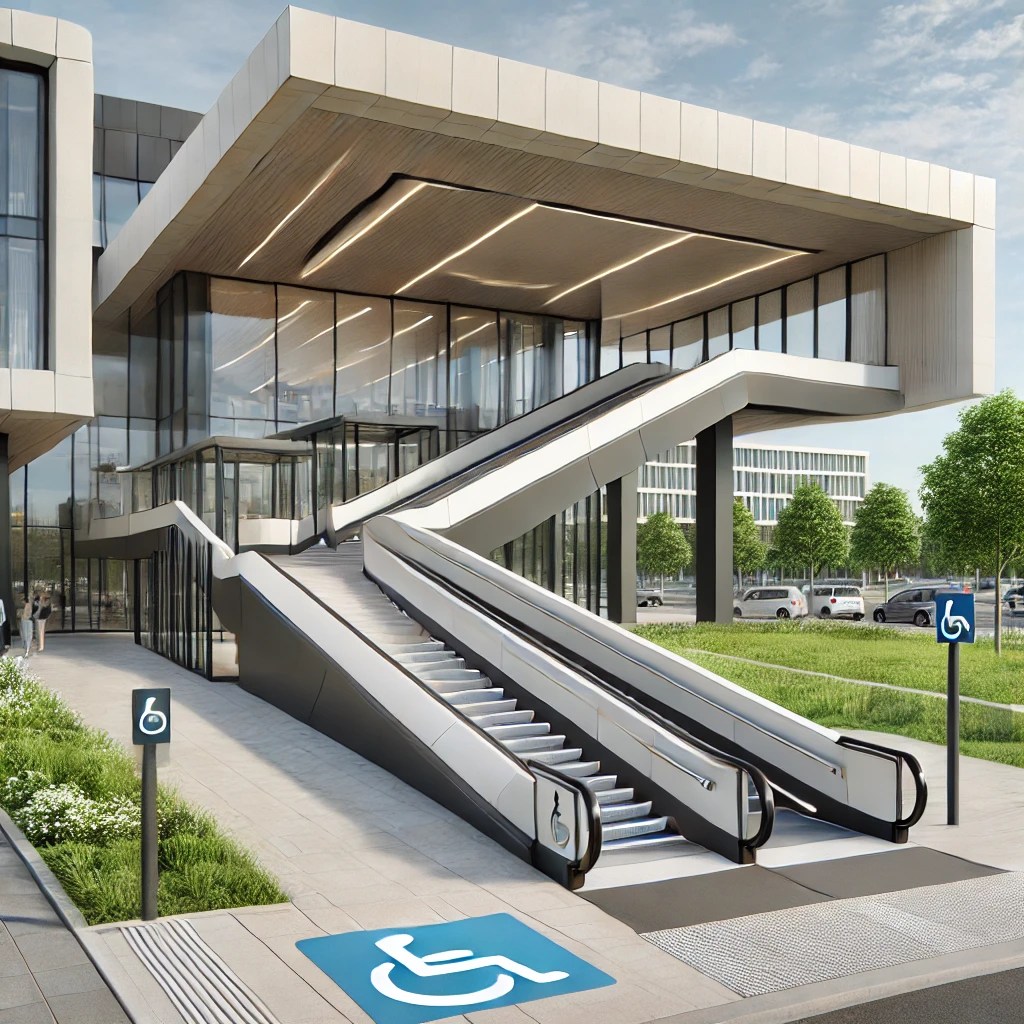
Investing in universal design from the outset can lead to long-term savings. Retrofitting or redesigning products and spaces to accommodate a broader audience often costs more than integrating universal design principles from the start. For instance, designing buildings with ramp access and automatic doors can eliminate the need for costly future modifications. Similarly, products that can be used by everyone, like ergonomic chairs or voice-activated devices, reduce the need for specialized versions, making production more efficient.

🎯 Competitive Advantage
In an increasingly competitive marketplace, companies that adopt universal design gain a significant edge. Inclusivity can become a key differentiator, setting a brand apart from its competitors. Businesses that embrace these principles are seen as forward-thinking, positioning themselves as leaders in their industries. This competitive advantage extends beyond product development—inclusive workplaces attract top talent, leading to innovation and higher employee satisfaction.

🏆 Inclusivity Leads to Innovation
One of the often-overlooked aspects of universal design is its ability to spur innovation. When companies design for a wide range of users, they are forced to think outside the box and create better solutions. For example, the curb cut effect, where sidewalk ramps initially designed for wheelchair users ended up benefiting everyone from cyclists to parents with strollers, is a perfect example of how inclusive design can drive creativity and innovation, leading to unforeseen business opportunities.

In Conclusion: Profits Through Purpose
The business case for universal design is clear—inclusivity drives profitability. By integrating universal design into their products and services, companies not only fulfill their social responsibility but also appeal to a broader audience, enhance brand reputation, and gain a competitive edge. Inclusive design is not just a trend; it’s a smart business strategy that leads to long-term success. Companies that invest in universal design today are setting themselves up for a more sustainable, profitable future.

#UniversalDesign #InclusiveBusiness #InnovationThroughDesign #Profitability #AccessibilityMatters

















































 Design and Build Data