As the demand for energy-efficient and eco-friendly buildings continues to rise, architects are turning to passive design principles to create sustainable structures that significantly reduce energy consumption. Passive design relies on natural resources—like sunlight, wind, and thermal mass—to regulate the internal environment of a building, thereby reducing the need for active mechanical systems. This approach not only minimizes a building’s carbon footprint but also contributes to long-term cost savings for building owners.
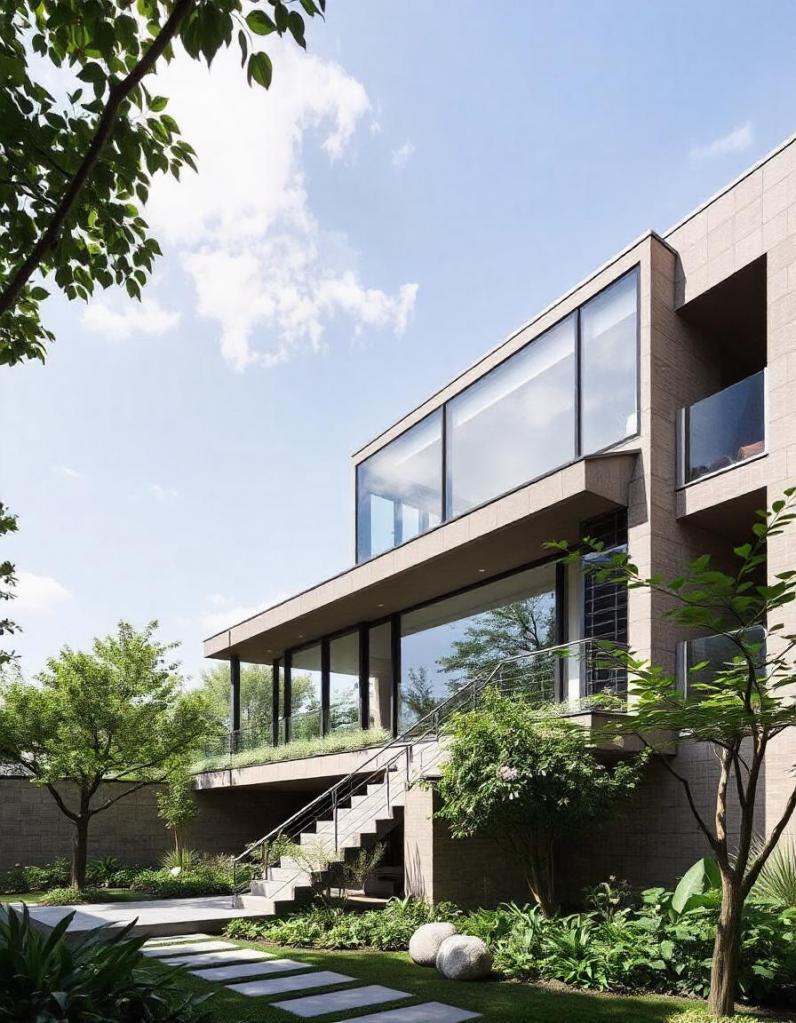
In this article, we’ll explore how passive design elements such as natural ventilation, strategic shading, and thermal mass can help achieve sustainable architecture by lowering energy demands without relying on active energy systems.
1. Natural Ventilation: Harnessing Fresh Air for Comfort
One of the core principles of passive design is natural ventilation, which uses the natural movement of air to cool or ventilate a building. By positioning windows, vents, and openings in a way that encourages airflow, architects can reduce the need for air conditioning and mechanical ventilation systems. Proper ventilation helps maintain a comfortable indoor climate, improving air quality and reducing energy costs.
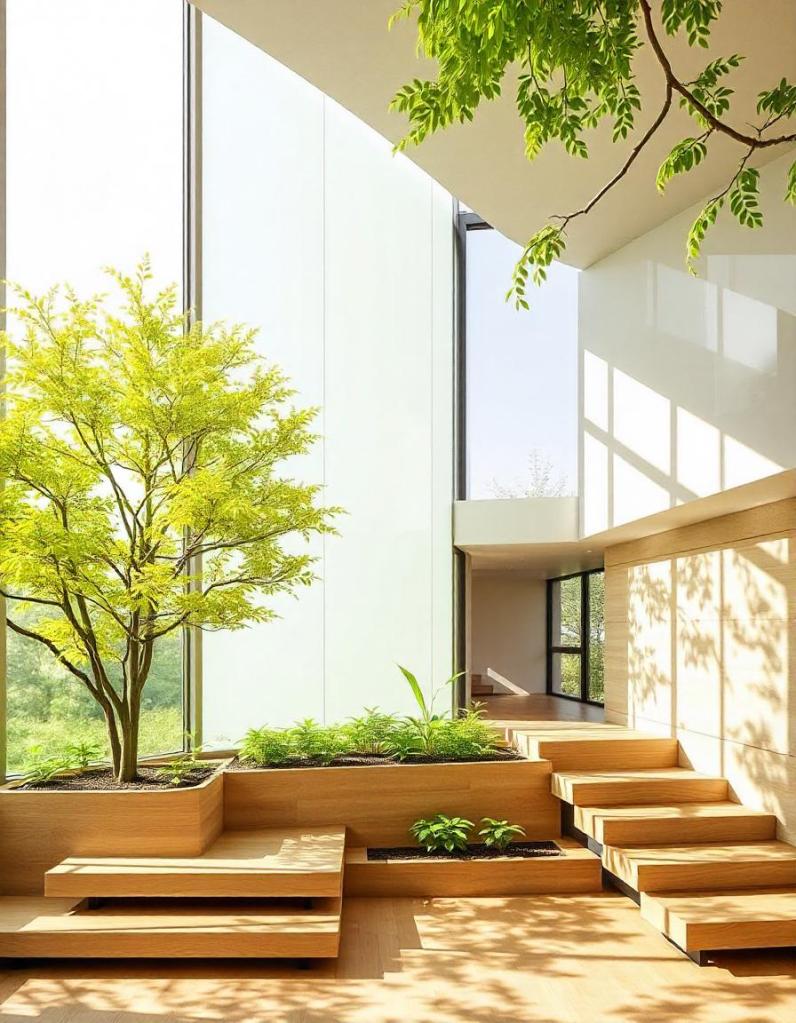
For instance, cross-ventilation—where windows are placed on opposite sides of a building—allows air to flow through, cooling the interior naturally. Additionally, stack ventilation takes advantage of the fact that warm air rises; by creating vertical airflow through vents or chimneys, hot air is released from the building, promoting cooler air intake.
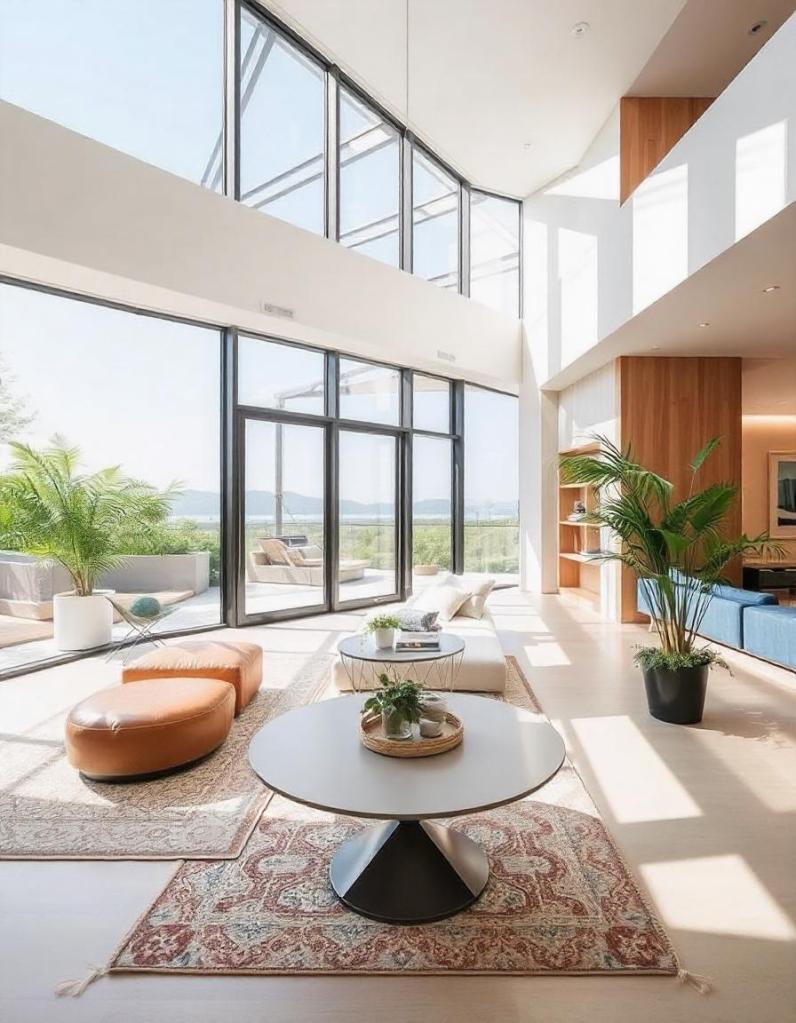
2. Strategic Shading: Controlling Solar Heat Gain
Strategic shading is another key component of passive design. By blocking or filtering sunlight during warmer months, architects can prevent buildings from overheating, reducing the need for energy-intensive cooling systems. This can be achieved through various methods, including the use of overhangs, shading devices, and vegetation.
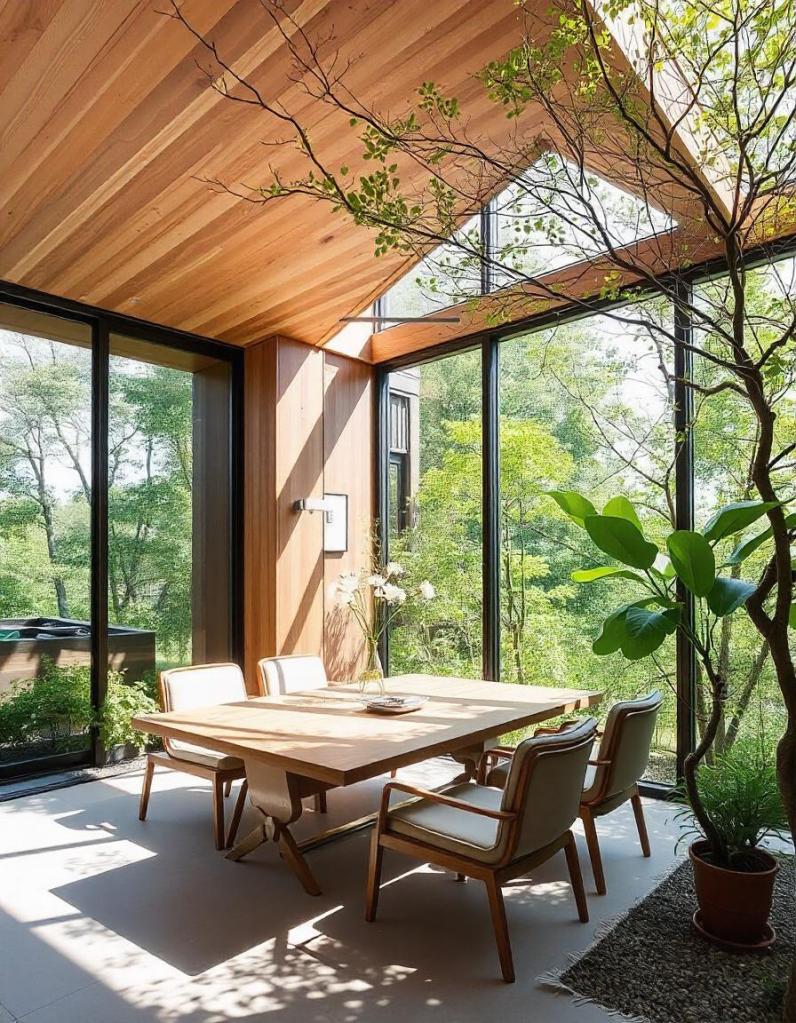
For example, external shading devices such as louvers or shutters can be designed to block out direct sunlight while still allowing natural light into the building. In some cases, even the orientation of a building can be optimized to maximize or minimize sunlight exposure throughout the year. Integrating landscaping elements like trees or green walls can also provide shade while enhancing the building’s connection to nature.
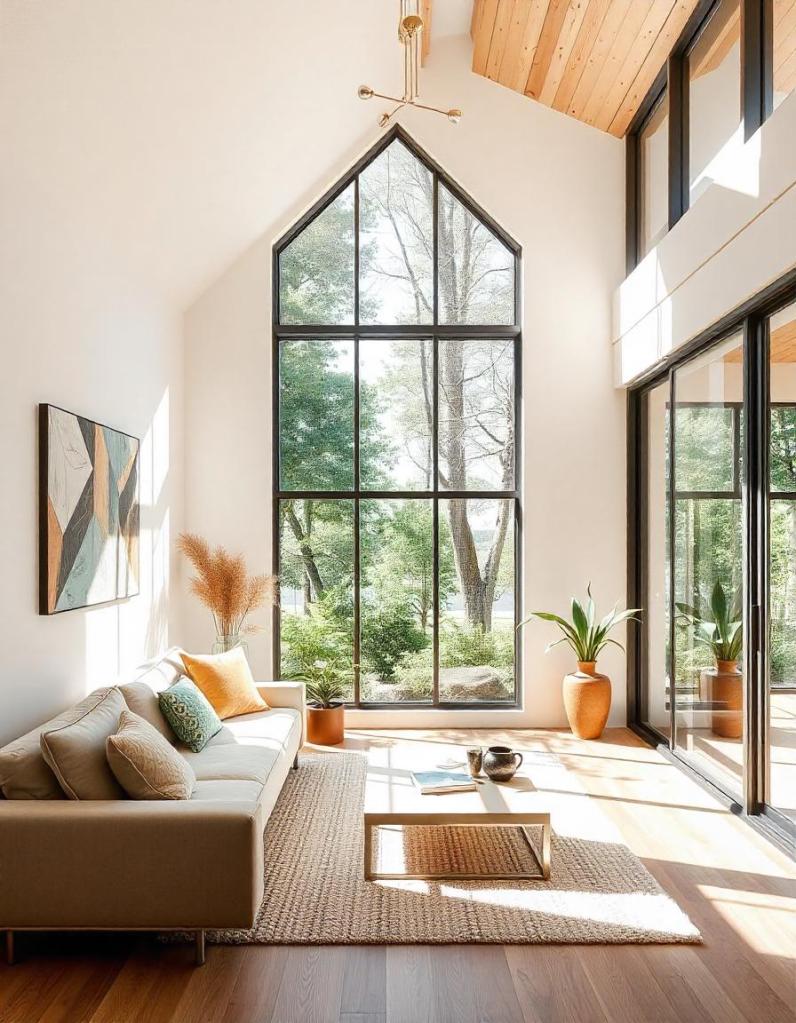
3. Thermal Mass: Storing Heat for Energy Efficiency
Thermal mass refers to the ability of a material to absorb, store, and slowly release heat. Materials like concrete, stone, and brick can help regulate indoor temperatures by absorbing heat during the day and releasing it at night when temperatures drop. This natural process reduces the need for heating and cooling systems, making the building more energy-efficient.
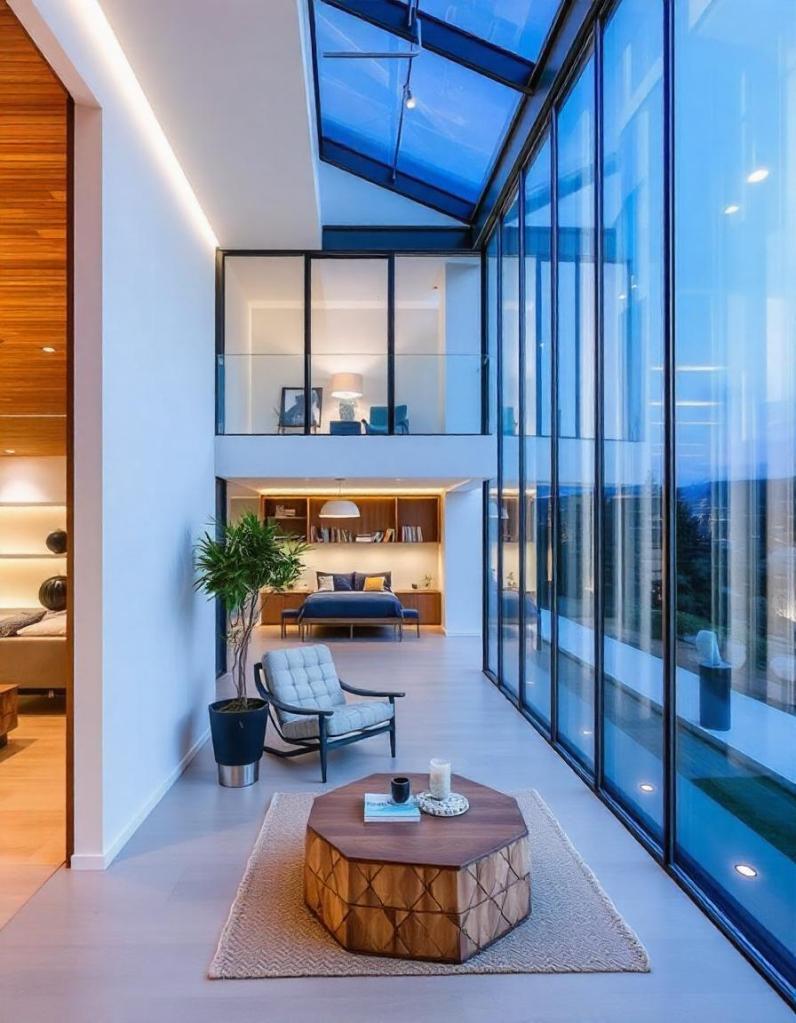
For instance, in cooler climates, high thermal mass materials can be used to capture solar heat during the day, releasing it into the interior space during the night to maintain a comfortable indoor temperature. In warmer climates, these materials can help keep the building cool by absorbing excess heat.
Incorporating thermal mass in building design is an effective way to enhance energy efficiency while maintaining indoor comfort without relying on active heating and cooling systems.
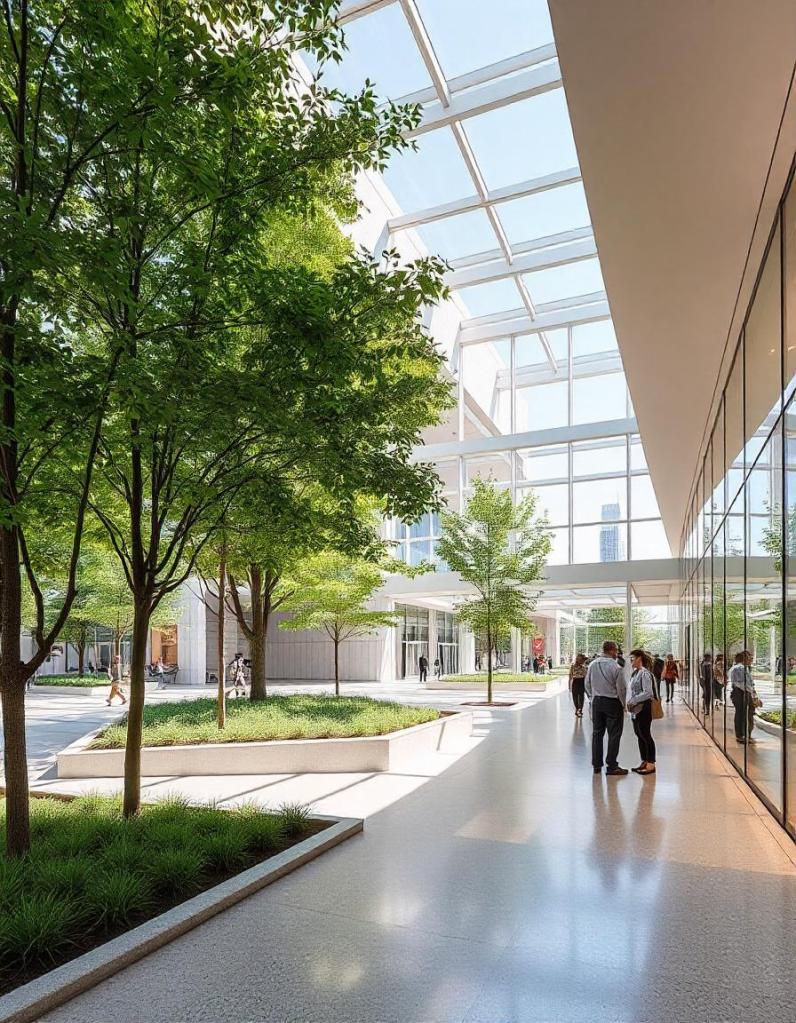
The Benefits of Passive Design in Sustainable Architecture
The primary advantage of passive design is its ability to create self-sustaining buildings that reduce reliance on fossil fuels and energy-intensive systems. Passive strategies like natural ventilation, strategic shading, and thermal mass significantly lower a building’s energy demand, making it more environmentally friendly and cost-effective over time. Additionally, buildings designed with passive strategies often offer enhanced occupant comfort and improved indoor air quality, contributing to overall well-being.
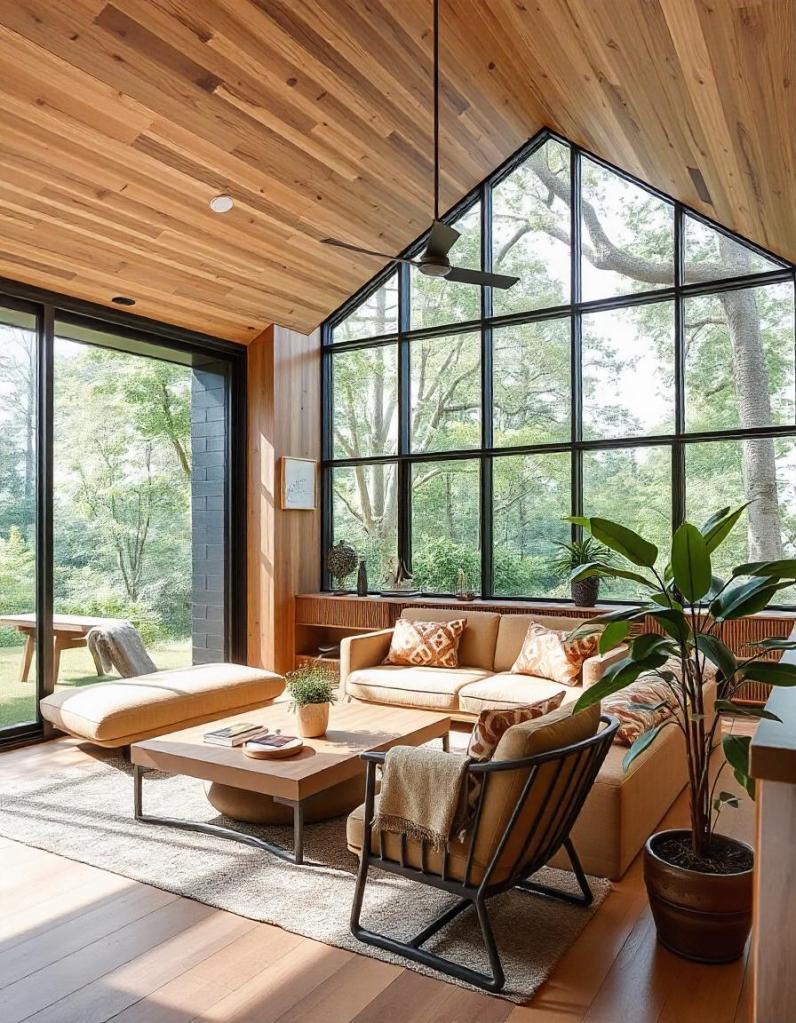
Conclusion: Building the Future with Passive Design
Incorporating passive design principles into architectural projects is not only a step toward sustainability but also a commitment to creating resilient, energy-efficient spaces. As climate change continues to challenge our built environment, architects must lead the way in adopting passive strategies that harness natural resources to achieve sustainable outcomes.
By leveraging the power of natural ventilation, strategic shading, and thermal mass, we can reduce the environmental impact of buildings while creating healthier and more comfortable living spaces.
#SustainableArchitecture #PassiveDesign #GreenBuilding #EnergyEfficiency #ThermalMass #NaturalVentilation #EcoFriendly #ArchitecturalDesign #SustainableLiving #ClimateResilientDesign #BuildingForTheFuture #EnvironmentalDesign #SustainableDevelopment #SmartDesign #GreenArchitecture
 Design and Build Data